Kilimanjaro Climbing Routes: A Complete Guide for Beginners
Mount Kilimanjaro rises to an impressive 5,895 meters (19,341 feet), making it Africa’s highest peak and the world’s tallest free-standing mountain. Located in northern Tanzania, this iconic landmark draws thousands of trekkers each year who are eager to experience one of the most rewarding high-altitude hikes on the planet.
One of the most appealing aspects of climbing Mount Kilimanjaro is that it does not require technical mountaineering skills. Instead, a successful summit depends on factors such as proper altitude acclimatization, physical preparation, selecting the right Kilimanjaro route, and trekking with experienced guides. This makes Kilimanjaro accessible to both first-time climbers and seasoned hikers seeking a new challenge.
In this detailed guide, Ron Adventure provides expert insight into the different Kilimanjaro climbing routes, outlining the key benefits and challenges of each option. You will learn how to choose the best route to climb Kilimanjaro based on your fitness level, time frame, and summit goals, as well as what to expect during your trek—from changing climate zones to daily hiking conditions on the mountain.
Mount Kilimanjaro is a dormant stratovolcano in Tanzania, composed of three distinct volcanic cones—Kibo, Mawenzi, and Shira—each contributing to the mountain’s dramatic landscape. The highest point, Uhuru Peak, sits on the Kibo cone and represents the ultimate achievement for trekkers attempting to summit Africa’s tallest mountain. Protected within Kilimanjaro National Park, a designated UNESCO World Heritage Site, the mountain draws more than 30,000 climbers every year from around the world.
Although Mount Kilimanjaro rises to nearly 6,000 meters above sea level, it remains one of the most accessible high-altitude mountains for non-technical climbers. No mountaineering equipment or climbing experience is required; however, altitude sickness is the primary challenge. Success largely depends on proper acclimatization, physical preparation, and—most importantly—selecting the best Kilimanjaro climbing route to match your fitness level, schedule, and summit goals.
Ecological Zones on Mount Kilimanjaro
One of the most fascinating aspects of climbing Mount Kilimanjaro is the journey through five unique ecological zones, each with its own climate, vegetation, and landscape. As trekkers ascend Africa’s highest mountain, they experience dramatic environmental changes in just a few days—something rarely found on other trekking destinations.
Cultivation Zone
The Kilimanjaro trek begins in the cultivation zone, where fertile farmland, coffee plantations, and local villages surround the lower slopes of the mountain. This area reflects daily life in rural Tanzania and offers a warm, welcoming start to the climb.
Rainforest Zone
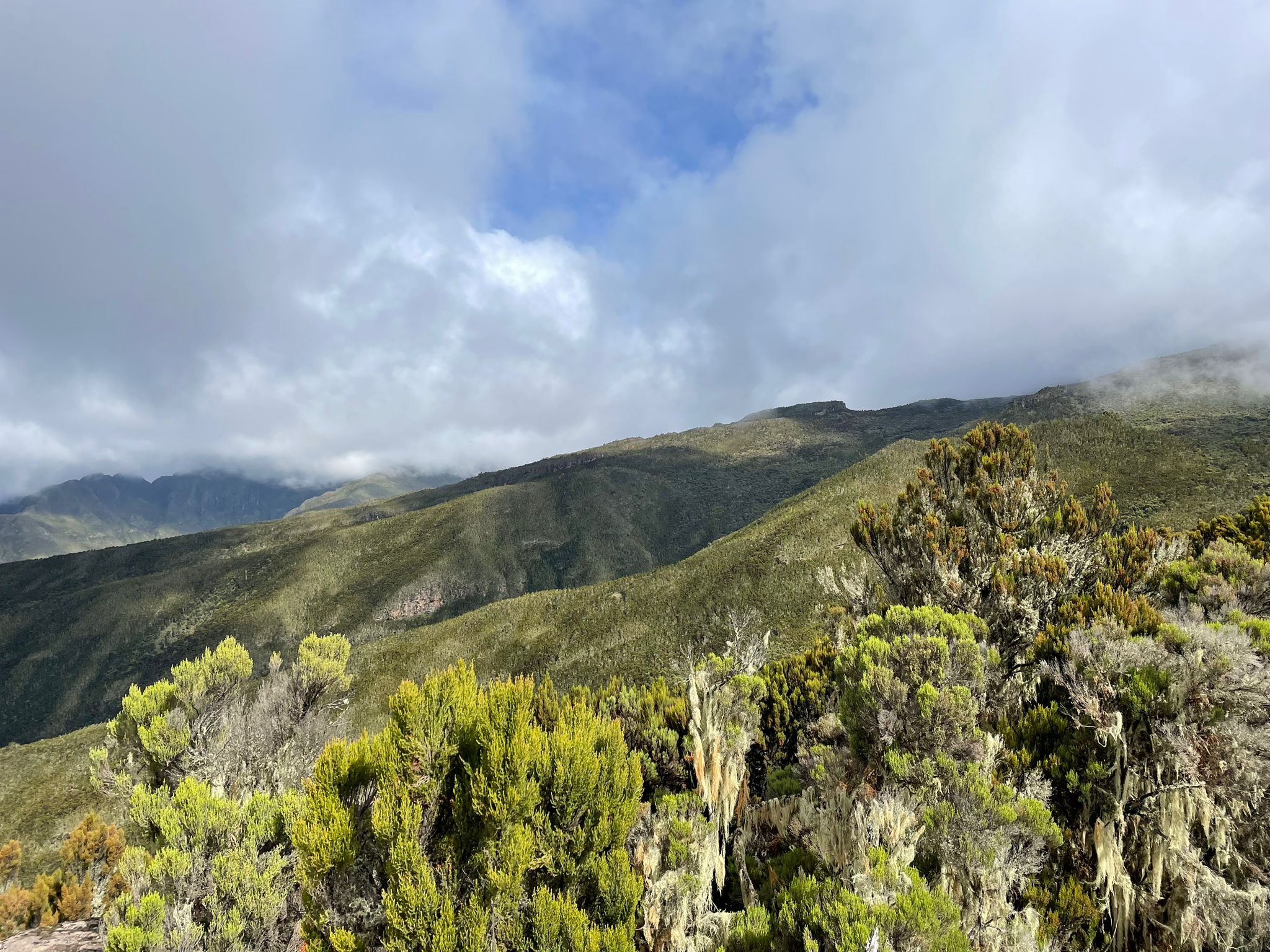
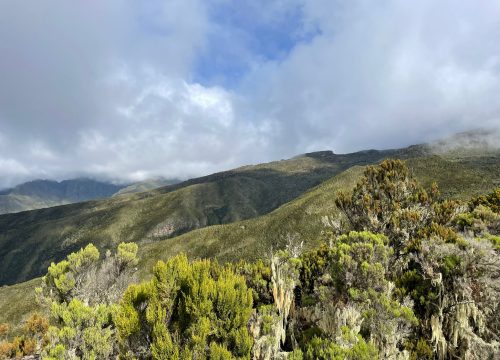
As the trail climbs higher, trekkers enter the lush rainforest zone, known for its dense vegetation, towering trees, and frequent rainfall. This zone is rich in biodiversity and is home to wildlife such as monkeys and foreign bird species, making it one of the most scenic parts of the Kilimanjaro hike.
Heath and Moorland Zone
Above the rainforest lies the heath and moorland zone, characterized by open landscapes, giant heathers, and hardy shrubs. Temperatures begin to drop here, and trekkers enjoy wide views of the surrounding terrain as the environment becomes more rugged.
Alpine Desert Zone
The alpine desert zone presents a stark contrast, with dry air, rocky terrain, and minimal vegetation. Days can be warm while nights are extremely cold. This zone plays a critical role in acclimatization and prepares climbers for the final ascent.
Arctic Summit Zone
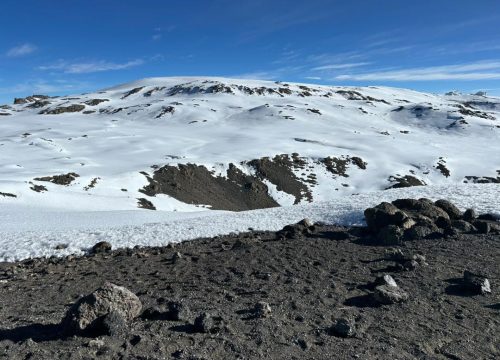
At the highest elevations is the arctic summit zone, where glaciers, ice fields, and snow dominate the landscape. Oxygen levels are low, temperatures are freezing, and conditions are challenging—but reaching this zone rewards climbers with unforgettable views from the roof of Africa.
Why Route Choice Matters on Mount Kilimanjaro
Selecting the right Kilimanjaro climbing route plays a crucial role in determining your overall trekking experience and summit success. Each route follows a different ascent profile, directly affecting altitude acclimatization, daily hiking distance, and recovery time.
Some Kilimanjaro routes are shorter and more demanding, increasing the risk of altitude sickness, while others offer a longer and more gradual climb, significantly improving comfort and summit success rates. Your route choice also influences the type of scenery you’ll encounter, the level of trail traffic, camping conditions, and the overall enjoyment of your climb.
By carefully choosing a route that matches your physical ability and acclimatization needs, you greatly improve your chances of reaching the summit safely while enjoying a more rewarding and memorable Mount Kilimanjaro trekking experience.
Main Kilimanjaro Climbing Routes
Choosing the right route is one of the most important decisions when planning a successful Mount Kilimanjaro climb. Each route varies in terms of scenery, difficulty level, acclimatization profile, crowd levels, and overall success rate. Among the available options, the Machame Route stands out as one of the most popular and rewarding paths to the summit.
Machame Route (6–7 Days)
Often referred to as the “Whiskey Route,” the Machame Route is widely regarded as one of the most scenic ways to climb Mount Kilimanjaro. The trail begins on the southwestern side of the mountain and gradually ascends through lush rainforest, heath, and alpine desert zones before reaching the summit.
This route follows a “climb high, sleep low” acclimatization strategy, which significantly improves summit success rates, especially for first-time climbers who choose the 7-day itinerary.
Advantages of the Machame Route
High summit success rate due to effective acclimatization
Diverse and breathtaking landscapes throughout the trek
Well-designed daily altitude gains and descents
Established and well-maintained camping sites
Ideal for trekkers seeking a challenging yet rewarding experience
Disadvantages of the Machame Route
One of the busiest Kilimanjaro routes, especially during peak seasons
Camping-only route (no mountain huts available)
Can feel crowded on popular trekking days
Marangu Route (5–6 Days) – The “Coca-Cola Route.”
The Marangu Route, famously called the “Coca-Cola Route,” is the only Kilimanjaro path featuring hut accommodation, making it the most straightforward and shortest trek to the summit.
Advantages:
Comfortable huts with proper beds
Shortest itinerary for quick summits
Perfect for trekkers with limited time
Disadvantages:
Lower overall summit success rate
Less effective for acclimatization
Can be crowded and offers fewer scenic views
Lemosho Route (7–8 Days) – Scenic and Successful
Starting from the western side of Kilimanjaro, the Lemosho Route is renowned for its breathtaking landscapes and excellent summit success rate.
Advantages:
Superior acclimatization due to gradual ascent
Remote and peaceful trekking experience
Spectacular panoramic views
High likelihood of reaching the summit
Disadvantages:
More expensive than shorter routes
Requires a longer trekking schedule
Rongai Route (6–7 Days) – The Northern Path
The Rongai Route approaches Kilimanjaro from the north, near the Kenyan border. Known as the driest route, it is ideal for trekking during the rainy season.
Advantages:
Less crowded than other routes
Reliable for wet-season trekking
Gentle gradients suitable for steady climbers
Disadvantages:
Fewer scenic highlights compared to western routes
Limited options for acclimatization
Northern Circuit Route (8–9 Days) – The Ultimate Trek
The Northern Circuit Route is Kilimanjaro’s longest path, offering a gradual ascent and the highest chance of summit success. Ideal for those seeking solitude and excellent acclimatization.
Advantages:
Exceptional acclimatization potential
Highest summit success among all routes
Very quiet and remote, perfect for nature lovers
Disadvantages:
Requires a longer trek (8–9 days)
Higher cost due to duration and logistics
Key Kilimanjaro Routes: Merits and Demerits
Route
Best For
Drawbacks
Machame Route
Stunning scenery and high summit success rates
Can be crowded during peak season
Marangu Route
Comfortable huts and a classic trekking experience
Slightly lower summit success rates
Lemosho Route
Overall best route for scenery and acclimatization
Longer trek and higher cost
Rongai Route
Ideal during the rainy season
Less variety in landscapes
Northern Circuit Route
Excellent for acclimatization and summit preparation
Requires more time than other routes
Why Route Selection Matters
Choosing the right route can make or break your Kilimanjaro experience. Each trail offers unique scenery, duration, and difficulty levels:
Machame: Known as the “Whiskey Route,” it offers breathtaking views and a challenging trek with high summit success.
Marangu: Often called the “Coca-Cola Route,” it provides hut accommodation, making it easier for first-time trekkers.
Lemosho: Widely regarded as the most scenic, it has excellent acclimatization opportunities but is longer and more expensive.
Rongai: Approaching from the north, this route is perfect for rainy-season climbs but features less landscape diversity.
Northern Circuit: The newest and longest trail, ideal for acclimatization, but it demands more days on the mountain.
Tips for a Successful Kilimanjaro Trek
Acclimatization is key – Take rest days seriously to avoid altitude sickness.
Physical preparation matters – Cardiovascular fitness and endurance are essential.
Hire professional guides and porters – They ensure safety and local expertise.
Pack strategically – Layered clothing, trekking poles, and hydration gear are essential.
Best Time to Climb Mount Kilimanjaro
Planning your climb around the optimal weather conditions can significantly increase your chances of a successful summit. The most favorable months are:
January to March: Warm temperatures and fewer climbers make this period ideal for those seeking a quieter trek.
June to October: Dry conditions make for easier hiking, but expect more crowds.
Avoid April and May, as heavy rains can make trails slippery and challenging, reducing both safety and enjoyment.
Physical Preparation and Fitness for Kilimanjaro Trekking
Proper physical preparation is essential for a successful Kilimanjaro climb. While you don’t need to be a professional athlete, building your fitness can significantly improve your chances of reaching the summit. Key areas to focus on include:
Cardiovascular endurance: Activities like running, cycling, or brisk walking strengthen your heart and lungs, helping your body cope with the high-altitude conditions of Kilimanjaro.
Backpack hiking: Practice hiking with a loaded backpack to simulate the physical demands of multi-day trekking and improve stamina.
Leg and core strength: Exercises such as squats, lunges, and planks support your muscles and joints for steep ascents and long trekking days.
Consistent training tailored to these areas not only boosts endurance but also enhances acclimatization, reduces fatigue, and increases your overall summit success rate. Starting your preparation months in advance ensures your body is ready for the challenges of high-altitude hiking on Kilimanjaro.
Acclimatization and Altitude Safety
Altitude sickness is the main risk on Kilimanjaro, and careful planning is essential for a safe trek. Ron Adventure prioritizes acclimatization and altitude safety through:
Gradual itineraries to allow the body to adapt
Proper pacing to reduce fatigue
Daily health checks to monitor symptoms of altitude sickness
Emergency oxygen for high-altitude support
Following these measures significantly increases your chances of reaching the summit while staying healthy.
Preparing for Your Kilimanjaro Trek
Physical fitness and mental preparation are key to success. Hikers should focus on:
Staying hydrated and maintaining energy with proper nutrition
Packing the right gear, hiring experienced guides, and understanding the challenges of high-altitude trekking will ensure a smoother climb.
Final Tips for a Successful Kilimanjaro Summit
Start your trek well-rested and hydrated – Proper rest and hydration before your climb improve your endurance and help prevent altitude sickness.
Stick to your itinerary – Following a structured route allows for optimal acclimatization, which is key to reaching the summit safely.
Listen to your body – Never push through severe symptoms of altitude sickness; your health comes first.
Savor the journey – From lush rainforests to stark alpine deserts, the shifting landscapes of Kilimanjaro make every step unforgettable.
Packing List and Gear Tips
Proper gear can make or break your Kilimanjaro experience. Essential items include:
Warm jacket and thermal layers – temperatures drop significantly at higher altitudes.
Sturdy hiking boots – for rough terrain and long treks.
Trekking poles – to reduce strain on knees and improve stability.
Headlamp – crucial for early-morning summit attempts.
Gloves and a hat – protect against cold winds and sun exposure.
Ron Adventure provides a full pre-trip gear checklist to ensure you don’t forget any critical items for your Kilimanjaro climb. Packing the right gear improves safety, comfort, and your chances of a successful summit.
FAQs – Kilimanjaro Climbing
Q1: Do I need technical climbing skills? No. Kilimanjaro is a trekking mountain.
Q2: What is the success rate? It depends on the route and days. Longer routes = higher success.
Q3: How cold does it get? Summit night can drop to –10°C to –20°C.
Q4: How many porters are used? Typically, 2–3 porters per climber.
Q5: Can beginners climb Kilimanjaro? Yes, with good preparation and the right route.
11. Final Thoughts: Choose the Perfect Kilimanjaro Climbing Route with Ron Adventure
Climbing Mount Kilimanjaro is more than a physical challenge—it’s a transformative journey through breathtaking landscapes, rich cultural experiences, and personal endurance. Selecting the right Kilimanjaro climbing route is crucial to ensure a safe, enjoyable, and successful summit adventure.
At Ron Adventure, we specialize in professionally guided Kilimanjaro treks designed to maximize your chances of reaching the summit while prioritizing the ethical treatment of porters and customized itineraries. Whether you opt for the popular Machame, Lemosho, Marangu, Rongai, or the adventurous Northern Circuit, our expert guides will support you every step of the way.
By choosing the route that best matches your fitness level, schedule, and trekking goals, you’re setting yourself up for an unforgettable experience on the Roof of Africa. Let Ron Adventure turn your dream of summiting Kilimanjaro into reality with a safe, well-planned, and truly memorable climb.