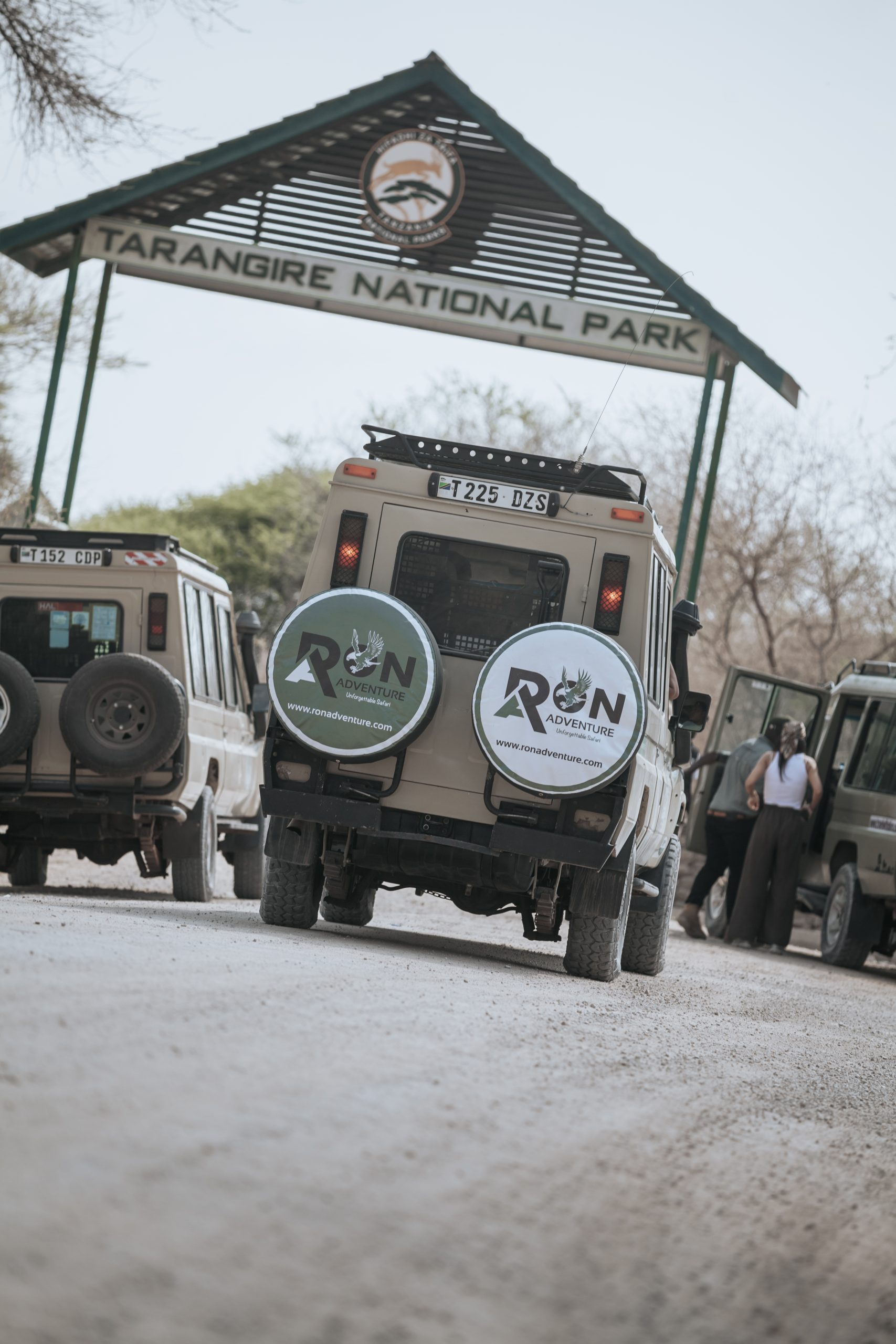
Tarangire National Park Safari – Complete Travel Guide
Introduction
Tarangire National Park ranks among northern Tanzania’s most impressive yet often overlooked safari destinations. Situated along the renowned Northern Safari Circuit, the park is distinguished by remarkable wildlife concentrations during the dry season, striking landscapes scattered with ancient baobab trees, and one of East Africa’s largest elephant populations.
Although many visitors prioritize the Serengeti, Tarangire offers a quieter and more personal safari atmosphere. It is particularly well-suited for travelers seeking authentic wilderness experiences, excellent photographic conditions, and high wildlife density without heavy vehicle traffic.
This guide delivers comprehensive and practical insights to assist travelers in planning a successful Tarangire safari experience.
Tarangire National Park is located in northern Tanzania, about 120 kilometers (75 miles) southwest of Arusha, the primary starting point for most Tanzania safari tours. Positioned within the well-known Northern Safari Circuit, the park lies between Lake Manyara and the vast Maasai Steppe, serving as a key ecological corridor that supports seasonal wildlife movements.
Travel from Arusha to Tarangire typically takes 2 to 2.5 hours by road, depending on traffic and weather. Because of this convenient distance, the park is ideal for:
• Day safari excursions from Arusha
• 2 to 3-day wildlife safari programs
• Combined Northern Circuit itineraries including Serengeti National Park and Ngorongoro Crater
• Both luxury and budget safari packages
With a total area of approximately 2,850 square kilometers (1,100 square miles), Tarangire ranks as Tanzania’s sixth-largest national park. The park is named after the Tarangire River, its permanent water source, which becomes a crucial gathering point for elephants, buffalo, zebras, and numerous other species during the dry season.
Thanks to its accessible location, diverse ecosystems, and seamless integration with other major safari destinations, Tarangire remains a vital component of any comprehensive Tanzania wildlife safari itinerary.
What Is Tarangire National Park Famous For?
Tarangire National Park is globally renowned as one of Tanzania’s premier wildlife safari destinations, particularly celebrated for its extraordinary elephant population and dramatic dry-season game viewing. The park is widely recognized for hosting some of the largest elephant herds in East Africa, with groups sometimes numbering between 200 and 300 individuals gathered along the riverbanks.
Another defining feature of Tarangire is its striking landscape, characterized by towering ancient baobab trees, vast acacia woodlands, and open savannah plains. These iconic baobab-dotted horizons create one of the most photogenic safari backdrops in Tanzania, making the park highly attractive for wildlife photography and nature enthusiasts.
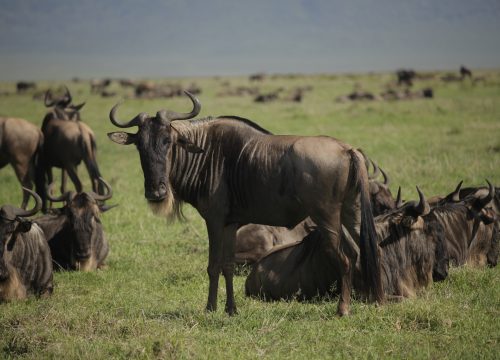
Tarangire is especially famous for its exceptional dry-season wildlife concentration. Between June and October, thousands of animals migrate toward the Tarangire River, the park’s permanent water source. During this period, visitors can witness dense populations of elephants, buffalo, zebras, wildebeests, giraffes, and antelopes gathered in close proximity, creating outstanding game-drive experiences.
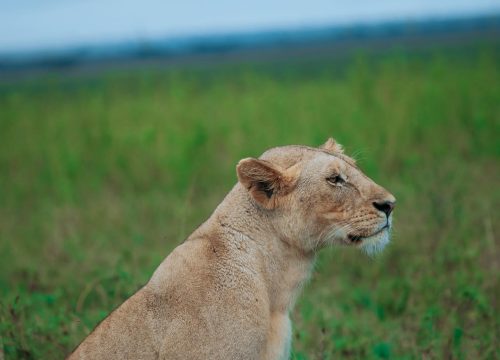
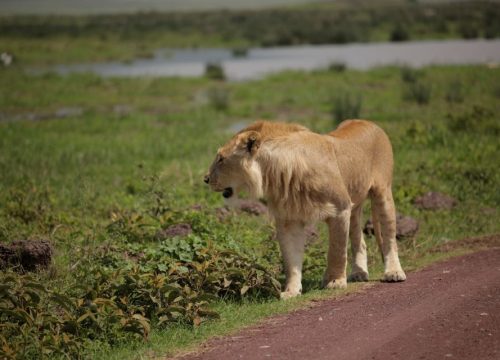
Predator activity also increases during the migration months, with lions, leopards, and occasionally cheetahs following prey movements. In addition to common plains game, Tarangire is known for rare and distinctive species such as the fringe-eared oryx and the greater kudu, which are less frequently seen in other northern Tanzania parks.
Overall, Tarangire National Park stands out for its high wildlife density, iconic baobab landscapes, remarkable elephant encounters, and prime dry-season safari opportunities within Tanzania’s Northern Circuit.
Animals of Tarangire National Park
Tarangire National Park is celebrated for its exceptional wildlife diversity and high concentration of animals, particularly during the dry season when species gather along the Tarangire River. The park forms a critical part of the Northern Tanzania safari ecosystem and supports a wide range of mammals, predators, herbivores, and over 550 recorded bird species.
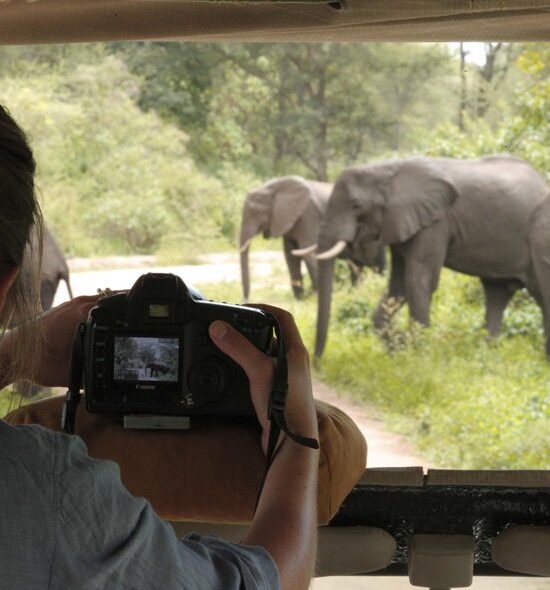
Among the most prominent wildlife species in Tarangire are large herds of African elephants, often seen in impressive numbers and considered one of the highest elephant densities in East Africa. The park is also home to major African predators such as lions and leopards, while cheetahs are occasionally spotted in open savannah areas.
Other frequently sighted mammals on a Tarangire safari game drive include:
• Towering giraffes browsing acacia trees
• Large buffalo herds
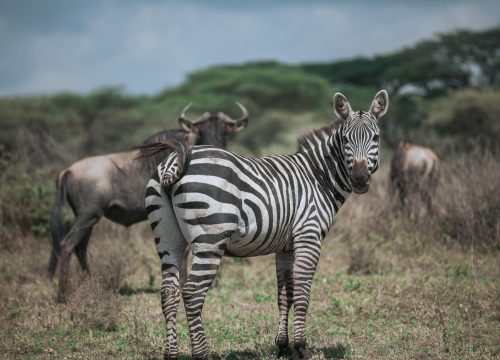
• Plains zebras and migratory wildebeests
• Impalas and waterbucks near riverbanks
• Warthogs grazing across open grasslands
In addition to classic safari species, Tarangire is known for rare and special sightings such as fringe-eared oryx and greater kudu, which are less common in other northern Tanzania parks.
Birdwatching in Tarangire National Park is equally rewarding. With more than 550 bird species recorded, it is a prime destination for birding safaris in Tanzania. Notable species include:
• Yellow-collared lovebirds
• Kori bustards, one of the heaviest flying birds
• Ostriches roaming the plains
• Secretary birds hunting in open grasslands
• Lilac-breasted rollers, famous for their vibrant plumage
This remarkable combination of big game wildlife, predator sightings, rare antelope species, and abundant birdlife makes Tarangire National Park a premier destination for wildlife photography, nature enthusiasts, and specialized birdwatching tours in Tanzania.
Tarangire National Park Map & Landscape Overview
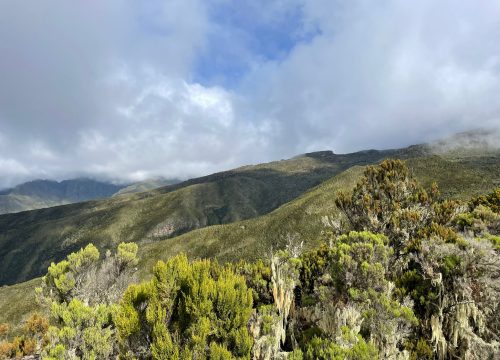
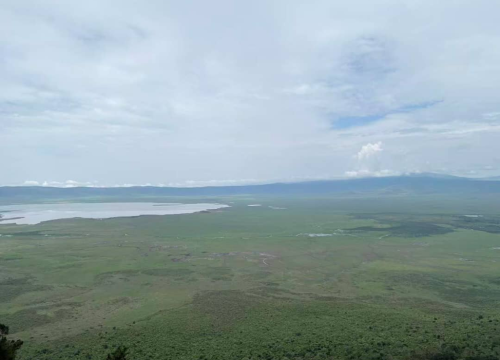
Tarangire National Park features a diverse and ecologically rich landscape that plays a crucial role in Tanzania’s Northern Safari Circuit. A detailed Tarangire National Park map reveals a network of wildlife habitats shaped by the Tarangire River, rolling savannah grasslands, and scattered ancient baobab trees that define the park’s iconic scenery.
The park’s topography includes:
• Vast open savannah plains ideal for game drives and wildlife photography
• Dense acacia woodlands that provide shelter for giraffes, elephants, and antelope species
• Seasonal swamps and floodplains that attract birdlife and grazing animals
• Riverine Forest vegetation lining the Tarangire River, a permanent water source
During the dry season (June to October), the Tarangire River becomes the primary water supply, drawing large concentrations of elephants, buffalo, zebras, wildebeests, and predators. This seasonal migration pattern creates exceptional wildlife viewing opportunities and high animal density.
In contrast, the wet or green season (November to May) transforms the landscape into lush vegetation. Wildlife disperses across the greater Tarangire ecosystem and Maasai Steppe, offering scenic photography, migratory birdwatching, and fewer safari vehicles.
Understanding the Tarangire National Park map and its varied habitats helps travelers plan strategic game drives and maximize their Tanzania safari experience.
Walking Safari in Tarangire National Park
Experiencing a walking safari in Tarangire National Park gives visitors a unique, up-close perspective of Tanzania’s wild landscapes. Unlike conventional game drives, this on-foot adventure allows travelers to connect directly with the environment and observe the park’s ecosystem in greater detail.
Guided by a trained safari guide and accompanied by a ranger for safety, guests can:
• Track and interpret wildlife footprints
• Spot a variety of bird species
• Discover native plants, including medicinal herbs and iconic baobabs
• Observe insects and their ecological roles
• Learn practical bush survival techniques
Walking safaris take place in designated safe zones to protect both visitors and wildlife. This activity is perfect for travelers looking for an immersive, hands-on safari experience, nature enthusiasts, and photographers seeking to capture Tarangire’s wildlife and landscapes in a more intimate setting.
How Much Does a Tarangire National Park Safari Cost?
Planning a safari to Tarangire National Park in northern Tanzania involves considering both park entry fees and overall safari expenses, including accommodations, transport, and guided services. Understanding the costs helps travelers budget for a Tanzania wildlife safari effectively.
Park Entry Fees (approximate, subject to change):
- Non-resident adults: USD 59 per person per day (plus 18% VAT)
- Concession fees may apply if staying at lodges or camps inside the park
Factors Affecting Total Tarangire Safari Cost:
- Type of accommodation: budget, mid-range, or luxury safari lodges and camps
- Duration of the safari (1-day, 2-day, or multi-day safaris)
- Private vs. shared/group safari arrangements
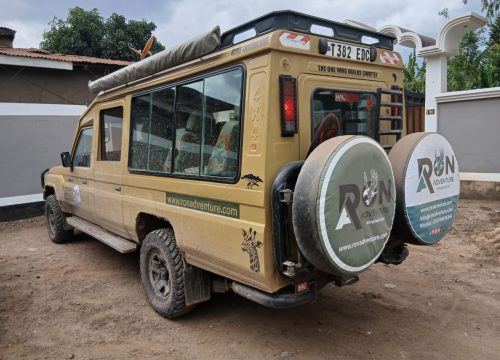
- Transport type: 4×4 safari vehicle, airport transfers, or chartered options
- Professional guide and ranger services
Typical 2-Day Tarangire Safari Packages:
- Budget safari: USD 400–650 per person
- Mid-range safari: USD 700–1,200 per person
- Luxury safari: USD 1,500+ per person
Costs may also vary depending on the season, special wildlife experiences, or additional activities such as walking safaris, photographic tours, or cultural visits. By planning carefully, travelers can tailor their Tarangire safari budget to match their preferences, whether seeking a cost-effective adventure or a high-end luxury experience in one of Tanzania’s most iconic wildlife parks.
Tarangire National Park vs Serengeti National Park
When planning a Northern Tanzania safari, many travelers wonder whether to prioritize Tarangire National Park or Serengeti National Park. Both are exceptional safari destinations, but they offer different experiences.
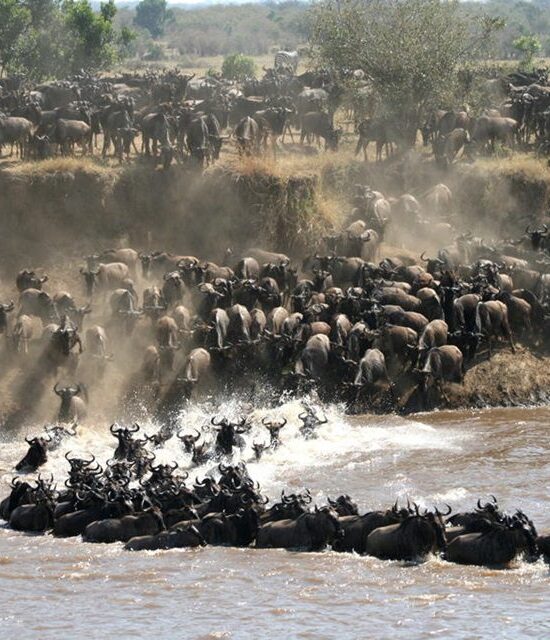
Serengeti National Park is world-renowned for the Great Wildebeest Migration and its endless savannah plains. Visitors can expect frequent predator sightings, including lions, leopards, and cheetahs, throughout the year. It is ideal for large-scale wildlife photography, migration-focused tours, and extensive safari adventures.
Tarangire National Park, in contrast, provides a more secluded and intimate safari experience with several advantages:
• Smaller crowds and fewer safari vehicles, offering a peaceful wildlife viewing environment
• High density of elephants, often seen in large herds along the Tarangire River
• Outstanding dry-season wildlife concentration, perfect for photography and spotting diverse species
• Iconic baobab-studded landscapes unique to the Northern Tanzania safari circuit
For travelers with limited time or those seeking quieter, more personalized wildlife encounters, Tarangire is an excellent choice. For extended safaris or witnessing iconic wildlife migrations, the Serengeti remains unmatched. Many Northern Tanzania safari itineraries combine both parks to provide the ultimate wildlife experience.
Conclusion: Tarangire vs Serengeti Safari
When planning a safari in northern Tanzania, the choice between Tarangire National Park and Serengeti National Park depends on your preferences, time, and wildlife interests.
Why visit Tarangire National Park:
• Offers a quieter, less crowded safari experience
• Known for large elephant herds and majestic baobab-studded landscapes
• Perfect for shorter trips or travelers with limited time in northern Tanzania
• Provides excellent opportunities for photography, birdwatching, and immersive wildlife
encounters
Why visit Serengeti National Park:
• Famous for the Great Wildebeest Migration, one of the world’s most iconic wildlife spectacles
• Expansive open plains make predator and herbivore sightings easier
• Offers extended game drive opportunities to see lions, leopards, cheetahs, and hyenas
• Ideal for travelers seeking the classic East African safari experience
For the most comprehensive experience, many travelers combine both parks on a 5–8-day Northern Safari Circuit, often including Ngorongoro Crater. This approach ensures diverse wildlife encounters, breathtaking landscapes, and a full taste of Tanzania’s natural beauty.
What Colors to Avoid and Wear on a Tanzania Safari
When going on a wildlife safari in northern Tanzania, including Tarangire National Park, Serengeti National Park, or Ngorongoro Crater, the clothing you choose plays an important role in both safety and wildlife observation.
Colors to Avoid on Safari:
• Bright red, neon yellow, or other flashy colors – these can startle animals and attract unwanted attention.
• Dark blue or black – these colors may attract tsetse flies, which are common in parts of northern Tanzania.
• Camouflage patterns – civilian use is restricted in Tanzania, and such clothing can cause confusion with military or park authorities.
Recommended Safari Colors:
• Khaki
• Olive green
• Beige
• Light brown
• Neutral earth tones
Wearing these muted, natural colors allows you to blend into the bush, making it easier to observe wildlife without disturbing them. Neutral safari clothing also minimizes insect attraction and provides better comfort during game drives, walking safaris, and other outdoor activities in Tanzania’s savannah and woodland ecosystems.
By following these clothing tips, travelers can enjoy safer, more productive wildlife photography, game viewing, and birdwatching experiences across Tanzania’s premier safari destinations.
Best Time to Visit Tarangire National Park
Planning your visit to Tarangire National Park around the right season can make a significant difference in wildlife viewing and overall safari enjoyment.
Dry Season (June – October):
• Large gatherings of wildlife, including elephants, zebras, and buffalo, especially along the Tarangire River
• Predators like lions and leopards are easier to observe
• Reduced vegetation enhances visibility for game drives and photography
• Excellent for Northern Circuit safaris, linking Tarangire with Serengeti and Ngorongoro Crater
Wet Season / Green Season (November – May):
• Vibrant, green landscapes offer stunning scenery and photography opportunities
• Prime time for birdwatching as migratory species arrive
• Fewer visitors provide a quieter, more private safari experience
• Safari and accommodation rates are generally lower
• A great chance to see newborn wildlife during the calving season
Whether you’re taking a short-day safari from Arusha or embarking on a multi-day Northern Tanzania adventure, choosing the appropriate season ensures richer wildlife sightings and a more rewarding Tarangire National Park experience.
To make the most of your Tanzania safari in Tarangire National Park, it’s essential to be well-prepared. Here are key tips and practical information for travelers planning a wildlife adventure in northern Tanzania:
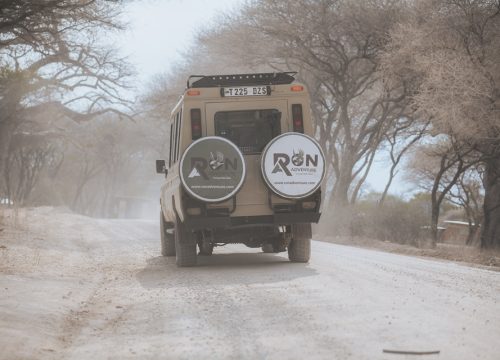
- Road Conditions: Safari routes within Tarangire can become dusty during the dry season and muddy during the rainy months. 4×4 vehicles are recommended for both comfort and safety on all-terrain roads.
- Health & Safety: Depending on your travel history, a yellow fever vaccination certificate may be required. Additionally, ensure you have up-to-date malaria prophylaxis, travel insurance, and basic first-aid supplies.
- Photography Tips: Wildlife photography is best during early morning and late afternoon game drives when the lighting is soft and natural. These hours also coincide with peak wildlife activity, increasing the chance of spotting elephants, lions, giraffes, and other iconic African animals.
- Safari Duration Recommendation: For a complete Tarangire experience, a minimum of two nights is recommended. Multi-day safari packages allow travelers to explore the park fully, including both game drives and optional walking safaris.
- Combining Destinations: Tarangire National Park is ideally included in Northern Circuit safari itineraries. It pairs seamlessly with Ngorongoro Crater, Lake Manyara, and Serengeti National Park, providing a diverse safari experience that covers elephants, predators, birdlife, and iconic East African landscapes.
- Additional Tips for Safari Travelers: Carry neutral-colored clothing, binoculars, and sunscreen. Stay hydrated and follow your guide’s instructions to ensure both safety and a responsible wildlife viewing experience.
This information ensures visitors have a smooth, safe, and unforgettable safari adventure while maximizing wildlife encounters and photography opportunities across Tarangire and neighboring parks.
Final Thoughts on a Tarangire National Park Safari
A safari in Tarangire National Park is perfect for travelers looking for an authentic Tanzania wildlife experience, up-close encounters with large elephant herds, and breathtaking landscapes dotted with iconic ancient baobab trees. Unlike the more crowded Serengeti National Park, Tarangire offers a more intimate and tranquil safari setting, making it ideal for wildlife photographers, nature enthusiasts, and those seeking an immersive Northern Tanzania safari adventure.
As one of Tanzania’s top safari destinations, Tarangire combines diverse ecosystems, rich biodiversity, and prime game viewing opportunities. Its accessibility from Arusha, inclusion in the Northern Safari Circuit, and variety of safari options—ranging from day trips to multi-day itineraries—make it a must-visit location for anyone exploring East Africa’s premier wildlife parks.
Whether you are planning a family safari, a luxury safari experience, or a budget-friendly wildlife adventure, Tarangire National Park ensures memorable encounters with Africa’s wildlife in a serene and picturesque environment.