Table of Contents
1. Introduction / Overview of the Wildebeest Migration
2. What Is the Wildebeest Migration?
3. The Wildebeest Migration Cycle
4. The Wildebeest Migration Route
5. What Months Do Wildebeest Migrate?
6. Why Do Wildebeest Migrate in Tanzania?
7. When Is the Best Time to See the Great Migration in Tanzania?
8. Wildebeest Migration Distance
9. Wildebeest Migration Map (Explained)
10. Key Stages of the Great Migration
11. Frequently Asked Questions About the Tanzania Wildebeest Migration
1. Introduction / Overview of the Wildebeest Migration
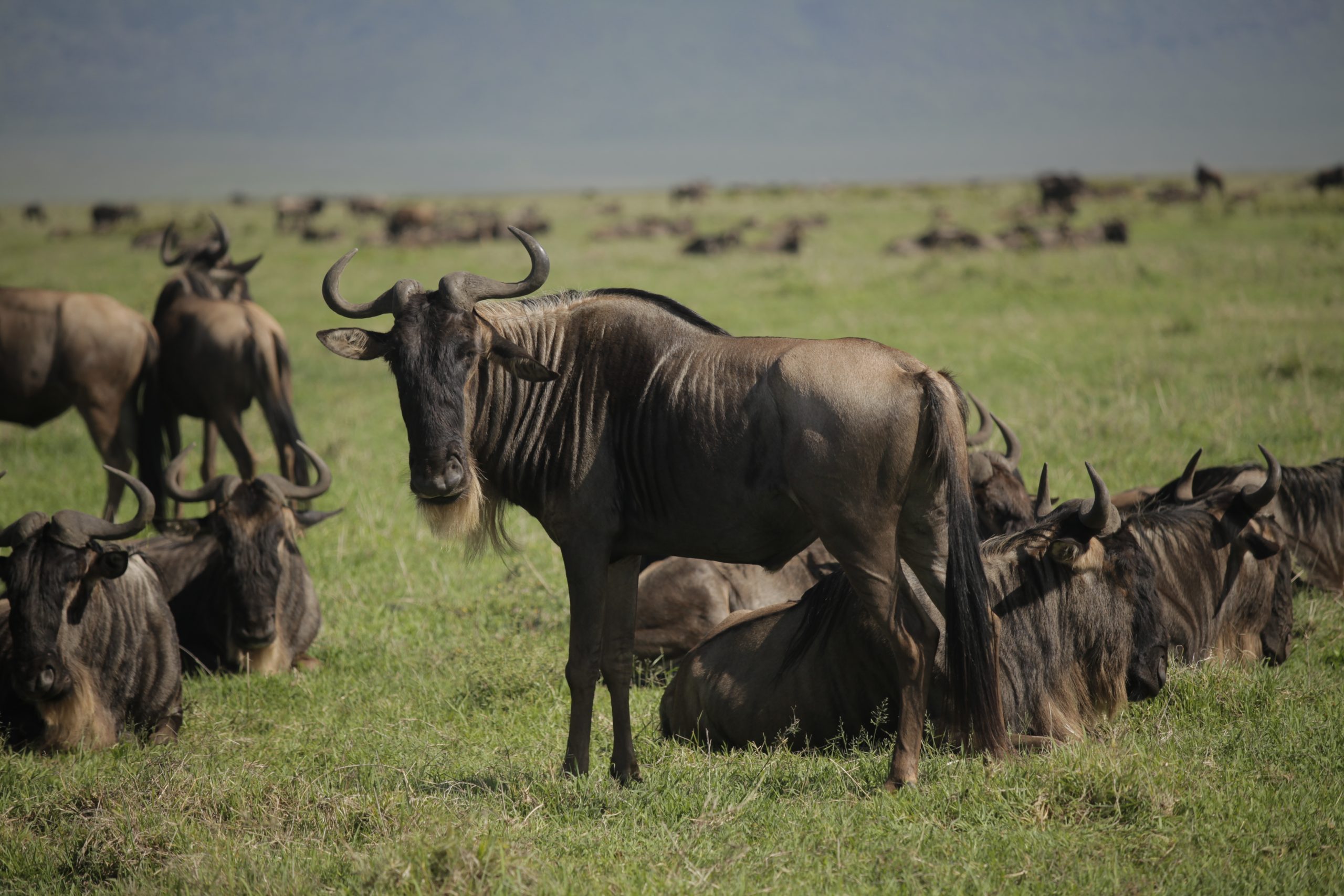
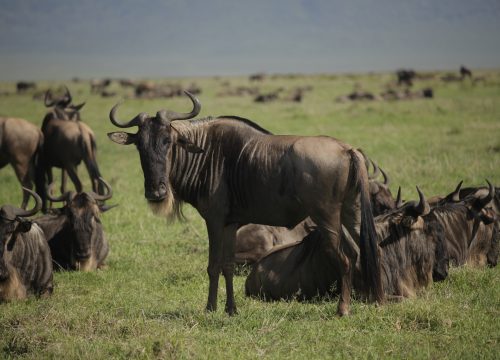
The Tanzania Wildebeest Migration, also known as the Great Migration, is one of the most extraordinary wildlife spectacles on Earth. Each year, over 1.5 million wildebeest, accompanied by hundreds of thousands of zebras and gazelles, move in a continuous loop across the Serengeti ecosystem in search of fresh grass and water.
For safari travelers, witnessing this natural phenomenon is often a once-in-a-lifetime experience. The migration offers dramatic river crossings, predator action, and endless plains filled with wildlife. Tanzania is the heart of this movement, making it one of the best destinations in Africa for a Great Migration safari.
2. What Is the Wildebeest Migration?
The wildebeest migration is a large-scale, seasonal movement of animals driven by rainfall and grazing patterns. It is not a single event but a year-round cycle where herds constantly move through different regions of northern Tanzania and southern Kenya.
Unlike human-planned routes, the migration follows nature’s rhythm. The animals instinctively know where fresh grass will grow after the rains. This continuous movement supports the entire ecosystem, from lions and cheetahs to vultures and crocodiles.
3. The Wildebeest Migration Cycle
The wildebeest migration follows a natural, circular pattern that repeats itself every year and is closely linked to Tanzania’s rainfall seasons. The entire movement is driven by the search for fresh grazing land and reliable water sources. Instead of staying in one place, the herds are constantly on the move, responding to changes in grass quality across the Serengeti ecosystem.
Two main rainy seasons shape this cycle:
• Short Rains (November–December):
These rains refresh the southern plains of the Serengeti and the Ndutu area. Fresh, nutrient-rich grass begins to grow, attracting the herds back south after their long journey from the north. This period sets the stage for the next phase of the migration.
• Long Rains (March–May):
These are heavier and longer-lasting rains that spread green pasture across central and western Serengeti. As the grass matures and becomes less nutritious in the south, the wildebeest gradually move northward in large columns, forming one of the most impressive wildlife movements on the planet.
Throughout the year, the migration supports every stage of life in the ecosystem. Calving takes place in the short-grass plains of Ndutu between January and March, when over half a million calves are born within a few weeks. This sudden increase in young animals also attracts predators such as lions, cheetahs, leopards, and hyenas, creating dramatic safari sightings.
After calving, the herds begin their long journey north. Mating season follows closely, ensuring the next generation. Along the way, the animals face natural challenges such as drought, rivers, predators, and exhaustion. Only the strongest survive, which keeps the population healthy and balanced.
For safari travelers, understanding the migration cycle helps you choose the best time and place to visit. Whether you want to see newborn calves, massive moving herds, or intense predator action, the migration cycle ensures that every month offers a different and unforgettable experience in Tanzania.
4. The Wildebeest Migration Route – How the Herds Move Across the Serengeti
The wildebeest migration follows a broad, seasonal pathway through the Serengeti ecosystem, a massive natural landscape that stretches across northern Tanzania and into southern Kenya. Rather than a single road or trail, the route is shaped by rainfall, grass growth, and water availability. The animals move in response to nature, not a timetable.
Southern Serengeti and Ndutu – The Starting Point of Life
At the beginning of the year, the herds settle in the open plains of Ndutu and the southern Serengeti. This area provides short, nutrient-rich grass that is ideal for newborn calves. Thousands of wildebeest give birth within a short time, creating one of the most active wildlife periods of the year. For safari guests, this region offers wide visibility, many predators, and excellent photographic opportunities.
Central Serengeti (Seronera) – The Heart of the Park
As the southern plains dry, the herds slowly move north into the central Serengeti. This region has rivers and permanent water, which attract wildlife throughout the year. When the migration passes through, predators follow closely. Visitors here enjoy classic savannah scenery, strong chances of seeing big cats, and balanced game viewing even outside peak migration months.
Western Corridor and the Grumeti River – The First Major Crossing
The next stage takes the herds toward the Western Corridor. Here, they must cross the Grumeti River, which is home to large crocodiles. These crossings are tense and powerful moments, but the area remains quieter and less crowded than the northern part of the park. This makes it ideal for travelers seeking dramatic wildlife encounters in a more peaceful setting.
Northern Serengeti and the Mara River – The Famous Crossings
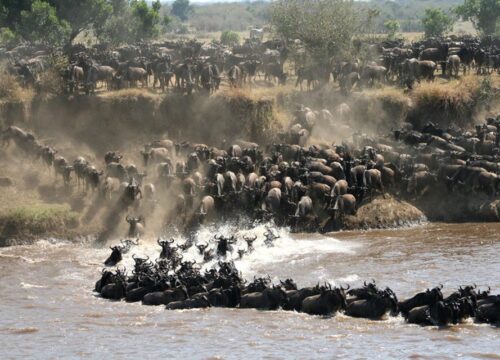
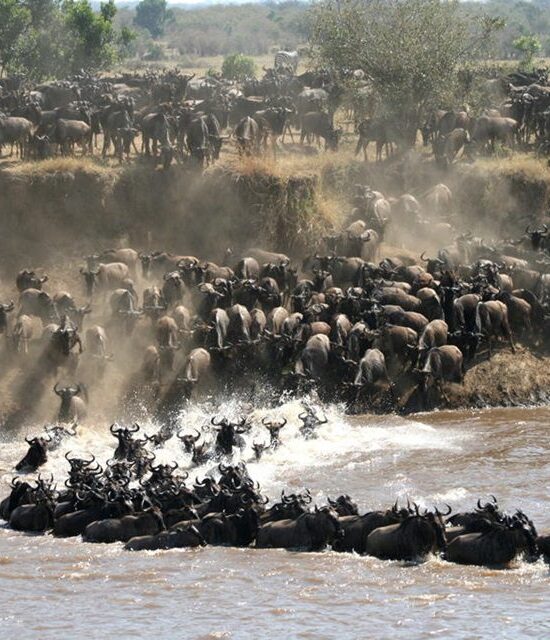
Later in the year, the migration reaches the far north of the Serengeti. The Mara River is the most challenging obstacle on the route. Steep riverbanks and strong currents test the herds as they cross into Kenya. These crossings are unpredictable and emotional to watch, often happening without warning. For many clients, this is the highlight of a Great Migration safari.
Into the Maasai Mara and Back to Tanzania
After entering Kenya’s Maasai Mara, the herds graze on fresh grass for several weeks. When the rains begin again in Tanzania, they instinctively turn south and begin the return journey to Ndutu, where the cycle starts again.
How Ron Adventure Plans Your Route
Because the migration is always moving, Ron Adventure does not follow a fixed itinerary. Instead, your safari is built around the expected location of the herds during your travel month, ensuring you are in the right place at the right time for the best wildlife experience.
5. What Months Do Wildebeest Migrate? (A Practical Month-by-Month Guide)
The Great Wildebeest Migration in Tanzania does not happen on a single date or in one fixed place. Instead, the herds move continuously throughout the year, guided by rainfall and the growth of fresh grass. What changes from month to month is where the animals are and what they are doing, which allows travelers to choose the experience that fits their interests.
January to March – Southern Serengeti & Ndutu (Calving Period)
At the beginning of the year, the herds settle on the short-grass plains of Ndutu and the Southern Serengeti. This is where most wildebeest give birth. Thousands of calves are born every day, filling the plains with life. Because of the abundance of young animals, predators are very active, making this a powerful time for wildlife viewing. It is ideal for guests who want to see newborn animals and intense safari action.
April to May – Central Serengeti (Season of Movement)
As the rains spread across the Serengeti, the herds begin their slow journey north. The landscape turns green and fresh, and the animals follow the new grass. This period offers beautiful scenery, dramatic skies, and fewer visitors in the parks. It suits travelers who enjoy peaceful safaris, photography, and rich birdlife.
June to July – Western Serengeti & Grumeti Area
By the early dry season, the migration reaches the Western Corridor. Here, the herds gather near the Grumeti River, one of the first major obstacles on their route. Some dramatic crossings take place as the animals move through crocodile-filled waters. This stage is perfect for guests who want to witness tension, movement, and natural survival behavior.
August to October – Northern Serengeti & Mara River Region
This is the most famous part of the migration. The herds arrive in Northern Serengeti and attempt to cross the Mara River. These crossings are unpredictable and powerful, with thousands of animals moving at once. The area also offers excellent sightings of lions, leopards, and cheetahs. Travelers looking for the classic Great Migration experience usually choose these months.
November to December – Journey Back South
With the arrival of short rains in the south, the herds begin to move back toward Ndutu. The plains become green again, and the cycle prepares to start over. This is a great time for relaxed safaris, colorful landscapes, and fewer crowds, while still seeing large numbers of animals on the move.
What This Means for You as a Traveler
There is no single “best” month to see the Tanzania Wildebeest Migration. Every period offers a different kind of safari. The most important thing is matching your travel dates with the right region. Ron Adventure plans your itinerary based on where the herds are expected to be, so you are always in the right place at the right time.
6. Why Do Wildebeest Migrate in Tanzania?
The wildebeest migration in Tanzania is driven by survival instincts that are deeply connected to rainfall, grass quality, and breeding success. These animals do not move randomly. Their journey follows a precise natural pattern shaped by the environment of the Serengeti ecosystem.
1. Search for Fresh, Nutritious Grass
Wildebeest depend almost entirely on short, mineral-rich grasses. After seasonal rains, new grass shoots grow quickly across the plains. This fresh grass is easier to digest and provides the energy needed for long-distance travel, reproduction, and milk production for calves.
Wildebeest can sense changes in the soil and grass quality. They respond to subtle shifts in moisture and nutrient levels, allowing them to move toward areas where grazing will be best.
2. Access to Reliable Water Sources
Water is just as important as food. During the dry season, many areas of the Serengeti become hot and dusty, with rivers shrinking or disappearing. The herds move toward regions where water is still available, ensuring they can drink daily and stay hydrated.
This constant movement between wet and dry zones prevents mass dehydration and keeps the herds alive during challenging months.
3. Safe and Successful Breeding
The timing of the migration is closely linked to calving. The southern Serengeti and Ndutu plains provide open grasslands with excellent visibility. This allows mothers to spot predators easily and protect their newborn calves.
By giving birth during the green season, when food is abundant, females can produce enough milk to feed their young. This dramatically increases calf survival rates.
4. Predator-Prey Balance
Where wildebeest go, predators follow. Lions, cheetahs, leopards, hyenas, and crocodiles all depend on the migration for food. This movement supports the entire food chain.
Instead of one area being overrun by predators year-round, the migration spreads wildlife activity across the ecosystem, maintaining balance.
5. Preventing Overgrazing and Land Degradation
If the herds stayed in one place, they would destroy the grasslands within months. By moving constantly, they allow grazed areas time to recover. This natural rotation keeps the Serengeti healthy and productive year after year.
In Summary
Wildebeest migrate in Tanzania because it is the only way they can survive, reproduce, and sustain the ecosystem. Their movement is nature’s way of managing food, water, breeding, and environmental balance across one of the most important wildlife landscapes in the world.
7. When Is the Best Time to See the Great Migration in Tanzania?
There is no single “best” month to see the Great Migration in Tanzania, because the experience changes throughout the year. The ideal time depends on what kind of wildlife moments you want to witness—newborn animals, dramatic river crossings, predator action, or scenic landscapes. Each season offers something unique.
January to February – Calving Season in Ndutu (Southern Serengeti)
This is one of the most emotional and exciting periods of the migration. During these months, more than half a million wildebeest calves are born in a very short time. The Ndutu and Southern Serengeti plains become filled with newborn animals learning to stand, walk, and run within minutes of birth.
For travelers, this means incredible photographic opportunities, frequent predator sightings, and intense wildlife activity. Lions, cheetahs, leopards, and hyenas are very active because young calves are easier prey. The weather is generally warm with short green grass, making it easier to spot animals.
March to May – The Green Season and Northward Movement
This period is known as the long rainy season. The plains turn lush and beautiful, with fewer vehicles in the parks. The herds begin to move slowly north toward Central Serengeti.
For clients who prefer a quieter safari with dramatic skies, fresh landscapes, and lower lodge rates, this is an excellent time. While there are fewer river crossings, the scenery is stunning, and wildlife is still abundant.
June to July – Grumeti River Crossings (Western Corridor)
By the early dry season, the herds reach the Western Serengeti and the Grumeti River. This is where the first serious river crossings occur. Crocodiles wait in the water, and large groups of wildebeest gather before taking the risk to cross.
This period is ideal for travelers who want dramatic action without the heavier crowds of August. It is also a good time for photography because the weather is dry, the skies are clear, and animals gather around water sources.
August to October – Mara River Crossings (Northern Serengeti)
This is the most famous and dramatic stage of the Great Migration. The herds reach the Mara River in Northern Serengeti and attempt to cross into Kenya’s Maasai Mara. These crossings involve thousands of wildebeest jumping into fast-moving water while crocodiles wait below.
This time is perfect for clients who want high-adrenaline safari moments and iconic wildlife scenes. It is peak season, so planning early with Ron Adventure is important to secure the best lodges and guides.
November to December – Return to the South
As the short rains begin, the herds move back south toward Ndutu and Southern Serengeti. The land becomes green again, and the animals prepare for the next calving season.
This is a beautiful and peaceful time to travel, with fewer tourists and excellent wildlife viewing.
Ron Adventure Recommendation
For most of our clients, we highly recommend:
• February for the calving season in Ndutu – ideal for families, photographers, and first-time safari travelers.
• September for the Mara River crossings in Northern Serengeti – best for dramatic action and classic Great Migration scenes.
Our team at Ron Adventure designs your safari around the migration’s real-time movement, ensuring you are in the right place at the right time.
8. Wildebeest Migration Distance
The Tanzania wildebeest migration is one of the longest and most demanding wildlife journeys on Earth. Each year, the herds cover an estimated 800 to 1,000 kilometers as they move in a continuous loop through the Serengeti ecosystem and into Kenya’s Maasai Mara before returning south again. This distance is not walked in one straight line, but in stages that unfold over many months.
Rather than following a fixed route, the wildebeest respond to rainfall and grass growth. When rain falls in one region, fresh pasture appears within days. The herds instinctively move toward these new feeding areas, sometimes spreading out across wide plains and at other times concentrating into dense columns that stretch for kilometers.
The journey involves crossing open grasslands, woodlands, river systems, and rocky corridors. Along the way, the animals must survive predators, long dry stretches, and dangerous river crossings filled with crocodiles and strong currents. Every kilometer traveled is part of a natural survival strategy that ensures access to food, water, and safe breeding grounds.
For safari guests, understanding the migration distance helps explain why timing and location are critical when planning a trip. Because the herds are always moving, Ron Adventure designs itineraries based on seasonal positions of the migration, placing you in the right area of the Serengeti at the right time to maximize sightings and photography opportunities.
9. Wildebeest Migration Map
The Wildebeest Migration map is not just a route—it is a year-round journey across Tanzania’s Serengeti and into Kenya’s Maasai Mara, guided by rainfall, grass growth, and water availability. Think of it as a “moving green belt” that shifts constantly. Unlike roads or trails, the herds navigate the plains freely, creating a living, breathing spectacle that changes month by month. Understanding this map helps travelers choose the best time and location to experience the migration at its most dramatic moments.

Here’s a breakdown of the migration stages, including timing, location, and what to expect for wildlife viewing:
1. Southern Serengeti & Ndutu (January – March)
Highlights: Calving season, newborn wildebeest, predators on the hunt.
What to See: Over 500,000 calves are born within a few weeks, attracting lions, cheetahs, and hyenas. This is a photographer’s dream with dramatic predator-prey interactions.
Travel Tips: Early morning game drives offer the best chance to witness wildlife activity. Bring binoculars for observing calves from a safe distance.
2. Central Serengeti / Seronera Valley (April – May)
Highlights: Green season, abundant grazing, predator sightings.
What to See: The herds spread across lush plains, giving visitors opportunities to see large groups grazing alongside zebras and gazelles. Predators follow closely, offering exciting wildlife encounters.
Travel Tips: Roads may be wet due to the short rains, so 4×4 vehicles are recommended. Fewer tourists during this period mean more private safari experiences.
3. Western Corridor / Grumeti River (June – July)
Highlights: Early river crossings, crocodile encounters, dramatic landscapes.
What to See: Herds face one of the first major river challenges of the year. Crocodiles lie in wait, creating iconic scenes of tension and survival.
Travel Tips: Stay in lodges near the Grumeti River to witness the crossings. Morning and late afternoon drives offer the best lighting for photography.
4. Northern Serengeti / Mara River (August – October)
Highlights: Iconic Mara River crossings, large predator activity, dense wildebeest herds.
What to See: The most famous stage of the migration, where thousands of wildebeest attempt to cross crocodile-infested waters. Expect dramatic action and photo opportunities.
Travel Tips: Arrive a few days early to scout river crossing points, as the timing can shift based on rainfall. Experienced guides from Ron Adventure help you position yourself for the best view.
5. Return to Southern Serengeti & Ndutu (November – December)
Highlights: Herds heading south, calving preparation, and fewer crowds.
What to See: The herds start the journey back to Ndutu, completing the annual cycle. Grass is still plentiful after the short rains, and wildlife is active across the plains.
Travel Tips: Safari rates may be lower before peak season, making this a good time for budget-conscious travelers seeking excellent wildlife sightings.
By following this map, Ron Adventure designs safaris that place clients exactly where the herds are expected to be during each stage. Whether it’s calving in the south, predator action in the central plains, or epic river crossings in the north, our itineraries maximize your chances to witness the Great Migration in its full glory.
10. Key Stages of the Great Migration
The Great Migration is not a single event but a continuous cycle of movement, survival, and renewal. Each stage offers unique wildlife experiences, landscapes, and photographic opportunities. Here’s what travelers can expect at each key stage:
1. Calving Season (January–March, Ndutu Region)
This is one of the most remarkable sights in the Serengeti ecosystem. During the calving season, over 500,000 wildebeest calves are born within a short span of a few weeks in the fertile southern plains near Ndutu. This sudden abundance of newborns attracts a wide range of predators, including lions, cheetahs, and hyenas, offering incredible wildlife viewing and photography opportunities. Visitors during this time can witness dramatic predator-prey interactions, vast herds of mothers and calves, and the first tentative steps of the next generation of wildebeest. The plains are lush and green, creating perfect conditions for game drives and short nature walks.
2. Green Season Movement (April–May, Central Serengeti)
After the calving season, the herds begin their northward journey through the central Serengeti, following the pattern of rainfall and fresh grazing. This period is known as the “green season,” as the plains are vibrant with new grass, wildflowers, and abundant water sources. Safari travelers during this stage can enjoy smaller crowds, excellent predator sightings, and the beauty of the Serengeti’s rolling landscapes. It’s also an ideal time for birdwatching, as migratory and resident bird species flourish in the lush environment.
3. Grumeti River Crossings (June–July, Western Serengeti)
As the herds continue north, they reach the Grumeti River in western Serengeti. These crossings are dramatic and intense, as wildebeest face strong currents and lurking Nile crocodiles. The sight of thousands of animals attempting to cross simultaneously is awe-inspiring and makes for incredible safari photography. This stage also allows travelers to witness the organized chaos of survival in the wild—predators stalking, crocodiles waiting, and herds making life-or-death decisions as they push forward.
4. Mara River Crossings (August–October, Northern Serengeti & Maasai Mara, Kenya)
The Mara River crossings are the most iconic moment of the Great Migration. During this period, millions of wildebeest and zebra face steep riverbanks, swift currents, and crocodile-infested waters. These crossings are dangerous, and not every animal makes it to the other side, but those that do continue their journey into the Maasai Mara in Kenya. Travelers witness breathtaking scenes of courage, struggle, and sheer determination. This is the highlight for many photographers and wildlife enthusiasts and is considered the “must-see” stage of the migration.
5. Return South (November–December, Southern Serengeti & Ndutu)
As the year ends, the herds begin their return journey south toward Ndutu, preparing for the next calving season. This stage is quieter but equally important, as it allows safari travelers to observe migration dynamics, predator tracking, and family groups moving across the plains. The southern Serengeti offers a combination of open landscapes, scattered acacia trees, and fewer tourists, creating an intimate safari experience. By December, the plains are ready again for the new generation of calves, completing the migration cycle.
This detailed expansion gives clients not only what to see but also when and where, helping them plan their safari for maximum experience. It also naturally improves SEO for keywords like “Tanzania Wildebeest Migration,” “Great Migration Safari,” and “best time to see wildebeest.”
Final Thoughts: Plan Your Tanzania Wildebeest Migration Safari
The Tanzania Wildebeest Migration is not just a safari—it is a front-row seat to nature’s greatest show. Whether you want to witness newborn calves, massive river crossings, or endless plains filled with wildlife, Ron Adventure designs tailor-made Great Migration safaris to match your travel dates and expectations.
11. Frequently Asked Questions About the Tanzania Wildebeest Migration
1. What is the Tanzania Wildebeest Migration?
The Tanzania Wildebeest Migration, also called the Great Migration, is an annual movement of over 1.5 million wildebeest, along with hundreds of thousands of zebras and gazelles, across the Serengeti ecosystem in Tanzania and into Kenya’s Maasai Mara. The migration follows rainfall patterns and fresh grazing areas.
2. When is the best time to see the Great Migration in Tanzania?
The best time depends on what you want to experience:
- January–March: Calving season in Ndutu – see newborn wildebeest and predator activity.
- June–July: Grumeti River crossings in western Serengeti.
- August–October: Famous Mara River crossings in northern Serengeti.
- March–May: Green season – fewer tourists, lush landscapes, and abundant wildlife.
3. Where can I see the wildebeest during the migration?
Key areas include:
- Southern Serengeti / Ndutu: Calving season and young wildlife.
- Central Serengeti (Seronera): Predator-rich zones and large herds.
- Western Serengeti (Grumeti River): Early River crossings.
- Northern Serengeti & Maasai Mara (Mara River): Iconic River crossings.
4. How long do the wildebeest migrate?
The migration is a continuous annual cycle covering about 800–1,000 kilometers (500–620 miles) as the herds follow the rains and fresh grazing areas.
5. Can I see predators during the migration?
Yes. The migration attracts predators such as lions, cheetahs, hyenas, and crocodiles, especially during calving season and river crossings. These moments create some of the most dramatic wildlife interactions in Africa.
6. How long should my safari be to see the migration?
While even 2–3 days can offer sightings, most travelers spend 5–7 days to cover multiple migration zones, including calving grounds, central Serengeti, and river crossings. Longer safaris increase your chances of witnessing dramatic predator-prey action.
7. Do the wildebeest cross into Kenya?
Yes. The northern part of the migration crosses into Kenya’s Maasai Mara around August to October before returning south to Tanzania by November to December.
8. What makes the calving season special?
During calving (January–March), over 500,000 wildebeest calves are born. This attracts predators, creating exciting safari experiences, and gives travelers a chance to observe mother-calf interactions and the raw power of the ecosystem.
9. Is the migration suitable for photography?
Absolutely. The migration provides stunning opportunities for photography, including vast herds, dramatic river crossings, predator interactions, and breathtaking landscapes. Sunrise and sunset offer perfect lighting for wildlife photography.
10. How can I plan a safari to see the migration?
Planning is best done with experienced safari operators like Ron Adventure, who design itineraries to match the expected location of the herds during your travel dates. They also arrange luxury or budget lodges, park permits, and expert guides to maximize your experience.

Tarangire National Park Safari
6 Day Tanzania Safari Itinerary
Top 10 Safari Mistakes to Avoid in Tanzania
Central Serengeti Safari Guide – Wildlife, Best Time to Visit & Travel Tips
Tanzania Wildebeest Migration – The Ultimate Guide to Africa’s Greatest Wildlife Journey
Ron Adventure Tour Company | Tanzania Safari & Kilimanjaro Experts
Mount Kilimanjaro Climbing Routes
Tanzania Safari 2026- 2027: Witness the Incredible Wildlife and Natural Beauty of Tanzania
Mount Kilimanjaro – Complete Guide for Climbers and Safari Travelers
Ngorongoro Crater: Complete Travel Guide
Is Ndutu in Serengeti or Ngorongoro? A complete Guide
How Much Does a Serengeti Safari Cost? (Complete Guide)
Best Time to Visit Serengeti for the Great Migration
Why Tanzania Is the Best African Safari Destination
Is Tanzania Safe to Visit After the 2025 Election?
Tarangire National Park Safari
6 Day Tanzania Safari Itinerary
Arusha Travel Guide