Introduction
Tanzania is one of the most iconic safari destinations in Africa, attracting travelers with its rich wildlife, vast landscapes, and world-famous natural spectacles. A Tanzania Safari 2026 is an unforgettable journey through some of the continent’s most renowned national parks, including Serengeti, Ngorongoro, Tarangire, and Lake Manyara. Whether you want to witness the dramatic wildebeest migration, spot Africa’s Big Five, or enjoy the tranquility of lesser-visited parks, Tanzania offers an unmatched safari experience.
This guide will provide everything you need to plan your safari, including timing, destinations, activities, accommodation options, and essential tips to make your adventure smooth, safe, and memorable.
Best Time to Visit Tanzania for Safari 2026
Tanzania has two primary safari seasons, each offering distinct wildlife experiences and landscapes.
- Dry Season (June – October):
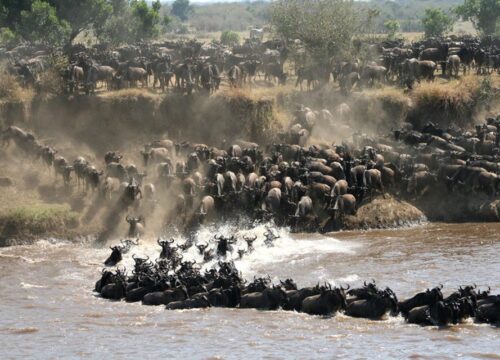
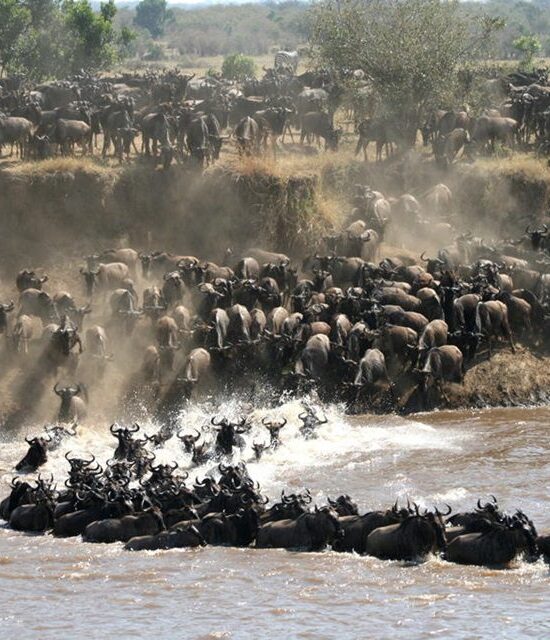
This period is considered the best for game viewing, as animals congregate around rivers and waterholes, making sightings more predictable. It also coincides with the dramatic Mara River crossings of the wildebeest migration, one of Africa’s most breathtaking wildlife spectacles.
- Green Season (November – May):
During this season, Tanzania’s parks are lush and vibrant, with abundant vegetation. Although some routes may be muddy, the parks are quieter, and accommodation prices are generally lower. February and March are particularly special, as this is the calving season in Ndutu, when thousands of wildebeest calves are born, attracting predators like lions, cheetahs, and hyenas for thrilling wildlife encounters.
Pro Tip: Travelers who want the ultimate migration experience should choose dates based on specific migration stages: calving (Jan–Mar), Grumeti River crossings (Jun–Jul), and Mara River crossings (Aug–Oct).
Key Safari Destinations in Tanzania
a. Serengeti National Park
is Tanzania’s most popular wildlife destination and is famous for its endless savannas and rich biodiversity.
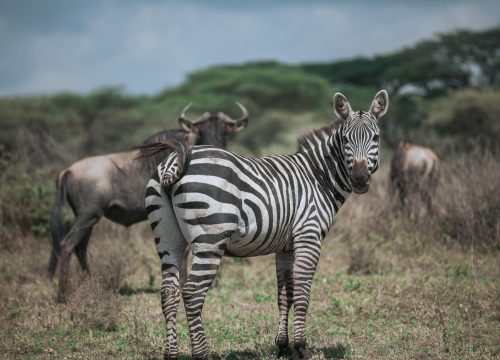
The park’s extensive grasslands alternate with rocky hills and provide shelter for predators such as lions and leopards, as well as grazing grounds for large herds of wildebeest, zebra, and antelope. Visitors can enjoy early morning or late afternoon guided safaris, take a sunrise hot air balloon flight for panoramic views of the plains, and enjoy great photo opportunities.
Accommodation ranges from luxury lodges with personalized service to well-equipped safari camps along the migration route, offering travelers comfort and proximity to wildlife activities.
b. Ngorongoro Crater
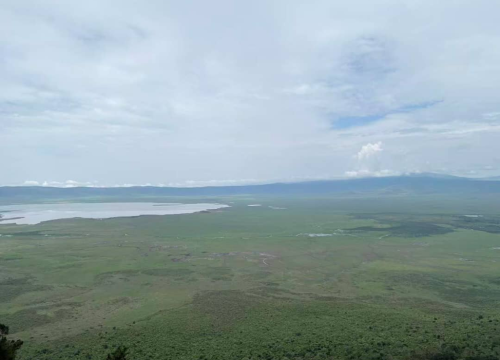
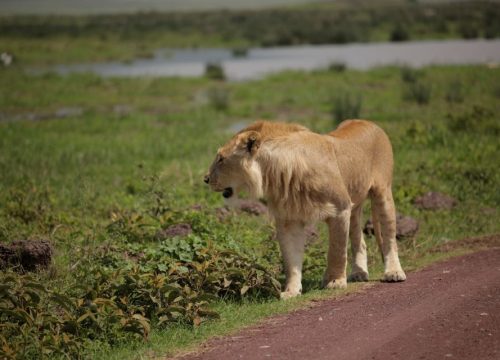
Ngorongoro Crater, a UNESCO World Heritage Site, is a massive volcanic caldera formed millions of years ago. Spanning over 260 square kilometers, it is one of the densest wildlife habitats in Africa, often called a “natural wildlife sanctuary.” On a single game drive, visitors can observe lions resting in the grasslands, elephants roaming in family herds, elusive black rhinos, grazing zebras, and flocks of flamingos along the crater’s soda lakes. The crater floor is relatively flat, making it ideal for wildlife spotting, while the rim provides breathtaking panoramic views of the surrounding highlands and the Maasai villages dotting the slopes. Beyond its wildlife, Ngorongoro offers unique opportunities to learn about conservation efforts and the Maasai culture, making it a destination that combines nature, adventure, and culture in one visit.
c. Tarangire National Park
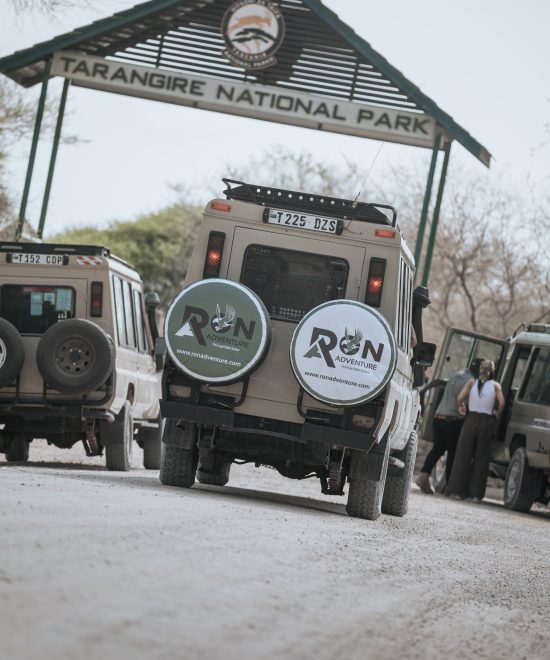
Tarangire National Park is a hidden gem in northern Tanzania, often overlooked by travelers but highly rewarding for those seeking a more peaceful safari experience. The park is renowned for its massive elephant herds, which are among the largest in the country, and its iconic baobab trees, which create striking landscapes perfect for photography. Unlike the busier Serengeti, Tarangire offers a quieter and more intimate wildlife experience, allowing visitors to observe animals such as lions, giraffes, zebras, and various antelope species at a leisurely pace.
Birdwatchers will find Tarangire particularly appealing, as the park is home to more than 500 bird species, including colorful migratory birds that visit during the rainy season. Game drives here offer excellent opportunities to see wildlife congregating around the Tarangire River, especially during the dry season when water sources are limited. Tarangire’s combination of wildlife diversity, scenic beauty, and fewer crowds makes it an ideal choice for travelers seeking an authentic and relaxed safari adventure.
d. Lake Manyara National Park
Lake Manyara National Park is a unique safari destination in northern Tanzania, famous for its diverse ecosystems packed into a relatively small area. The park features a mix of groundwater forests, acacia woodlands, and a shallow alkaline lake, creating habitats for a wide variety of wildlife. One of its most remarkable attractions is the tree-climbing lions, an unusual behavior rarely seen elsewhere. During the wet season, the lake often turns bright pink as thousands of flamingos gather to feed, creating a spectacular visual display. Its compact size makes it possible to enjoy a half-day safari, allowing travelers to combine a visit here with nearby parks such as Ngorongoro Crater or Tarangire, making it ideal for short itineraries or multi-destination safaris.
e. Ndutu and Southern Serengeti
Ndutu, located in the southern part of the Serengeti ecosystem, is one of the most remarkable safari destinations in Tanzania, especially during the wildebeest calving season from January to March. During this period, over 500,000 wildebeest calves are born, creating a magnet for predators such as lions, cheetahs, and hyenas. This results in extraordinary predator-prey encounters, making Ndutu a dream destination for wildlife photographers and safari enthusiasts seeking close-up action. Unlike the northern Serengeti, Ndutu and the surrounding southern plains see fewer tourists, offering a more tranquil and authentic safari experience. In addition to calving, the area is home to large herds of zebras and gazelles, diverse birdlife, and picturesque landscapes of rolling grasslands dotted with acacia trees, making every game drive a visually stunning adventure.
The Great Wildebeest Migration
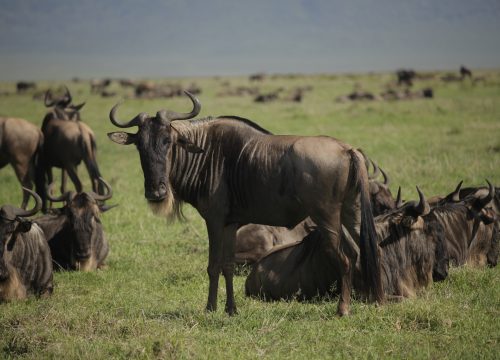
The Great Wildebeest Migration is one of the most powerful and awe-inspiring wildlife events on the planet, and Tanzania is at the heart of this natural drama. Every year, vast herds of wildebeest—numbering well over a million—travel across the open plains of the Serengeti in search of fresh grass and dependable water. They are joined by large numbers of zebras and gazelles, forming an endless moving landscape of life.
This journey is controlled by nature, not by borders. As seasonal rains fall in different parts of the ecosystem, new grazing areas emerge. The animals follow these patterns instinctively, moving through the southern Serengeti, central regions, the western corridor, and up to the far north before looping back again. The result is a year-round cycle of movement that never truly stops.
What makes this migration so remarkable is not only the scale but the intensity of daily survival. Big cats and other predators track the herds closely, creating constant action for safari guests. At key points, especially where rivers cut through the plains, the animals must make dangerous crossings, face strong currents, and avoid crocodiles in their effort to reach better feeding grounds.
For visitors, witnessing the Great Migration in Tanzania is more than just seeing large numbers of animals. It is about understanding how rainfall, land, and wildlife are deeply connected. From the first steps of newborn calves in the south to the tense crossings in the north, each phase offers a unique and unforgettable safari experience.
Key Stages of the Great Wildebeest Migration in Tanzania
The Great Wildebeest Migration is a continuous natural journey that takes place throughout the year across the Serengeti ecosystem. It is guided by rainfall patterns and the need for fresh pasture, creating a moving cycle of life that never truly stops. Knowing how each phase unfolds allows travelers to choose the best time and location for an unforgettable Tanzania safari experience.
- Calving Season (January to March | Ndutu and Southern Serengeti)
This period marks the beginning of the migration year and is one of the most dramatic and meaningful stages to witness. During these months, the herds gather on the wide, open plains of Ndutu and the southern Serengeti, where nutrient-rich grasses provide ideal conditions for giving birth. In a short time, hundreds of thousands of wildebeest calves are born, filling the landscape with new life.
The presence of so many young animals naturally attracts predators. Lions, cheetahs, leopards, and hyenas closely follow the herds, creating constant action and raw scenes of survival. Safari guests can observe not only intense hunting moments but also quiet, touching interactions between mothers and their newborn calves learning to walk within minutes of birth.
For travelers interested in photography, wildlife behavior, and natural storytelling, this season offers exceptional opportunities. The light is soft, the plains are green, and animal activity is at its peak. Visiting Tanzania during the calving season provides a deep and emotional connection to the rhythms of nature and is one of the most rewarding times to experience the Serengeti on safari.
- Green Season Movement (April – May | Central Serengeti)
During the early rainy months, wildlife gradually shifts northward into the central Serengeti as fresh grass spreads across the plains. The renewed environment creates vibrant scenery and a calmer atmosphere due to reduced visitor numbers. This period is well-suited for travelers who value unhurried safari experiences, balanced natural lighting for photography, and increased bird activity. Although conditions can change quickly because of rainfall, visitors are rewarded with serene drives and striking seasonal landscapes.
- Grumeti River Crossings (June – July | Western Serengeti)
As the dry season begins, migrating animals enter the western Serengeti and gather around the Grumeti River, where their journey is interrupted by the first significant barrier. The river’s deep channels and resident Nile crocodiles create a dangerous challenge as wildebeest and zebras make repeated attempts to reach the opposite bank. These encounters can unfold over extended periods, marked by tension and unpredictability. This phase of the migration provides a powerful view of wildlife navigating life-or-death conditions.
- Mara River Crossings (August – October | Northern Serengeti)
The Mara River stage represents one of the most dramatic moments of the annual migration. As the herds reach the river separating Tanzania from Kenya, they face one of the journey’s greatest challenges. The terrain is treacherous, with sharp embankments, fast-moving water, and predators lurking below the surface. Large groups of animals often assemble along the river’s edge, pausing before collectively attempting the crossing. These months offer some of the most striking and widely captured images of the Great Migration.
- Return South (November – December | Central to Southern Serengeti)
As the short rains arrive, the southern plains start to sprout fresh vegetation. The herds gradually make their way southward through the central Serengeti toward Ndutu, completing their seasonal migration loop. This phase is more peaceful, with wildebeest moving in long, steady lines across the plains. It offers ideal conditions for scenic safaris, observing large groups of animals, and enjoying relaxed game drives ahead of the upcoming calving season.
Why Timing Matters for Your Tanzania Safari
To catch the migration at its most spectacular, it pays to plan your safari around its seasonal rhythm. From thrilling river crossings and the arrival of newborn calves to predator hunts and endless moving herds, knowing when and where these events happen lets you witness wildlife at its peak and capture unforgettable photos along the way
Safari Accommodation Options
Selecting the right place to stay can greatly shape your safari experience in Tanzania. Options range from high-end lodges to budget-conscious facilities, each offering a distinct way to enjoy the wildlife and scenery.
Luxury Lodges: These upscale lodges deliver top-tier comfort and personalized services. Guests can expect spacious suites or villas with sweeping views of the savannah, private guides, gourmet cuisine, and exclusive game drives. Many also feature infinity pools, spa treatments, and evening sundowners overlooking wildlife-rich landscapes, making them ideal for travelers seeking a premium and relaxed safari experience.
Tented Camps: Combining adventure with convenience, tented camps place visitors close to nature without sacrificing essential comforts. Luxury and mid-range camps often include ensuite bathrooms, hot showers, and cozy interiors. Staying in a tented camp lets you wake up to the sounds of the bush and head out on early morning game drives just steps from your tent.
Budget Lodges: Perfect for cost-conscious travelers, budget lodges provide clean and functional accommodations. While simpler than luxury options, they still offer meals, guided safaris, and easy access to prime wildlife areas. These lodges are well-suited for families, groups, or solo travelers who prefer spending more time exploring the parks than on high-end amenities.
Travel Tip: The peak safari season in Tanzania runs from July to October, coinciding with the wildebeest migration and dry-season wildlife activity. During this period, lodges and camps book up fast, so securing your preferred accommodation and prime game-viewing spots well in advance is highly recommended.
Safari Activities
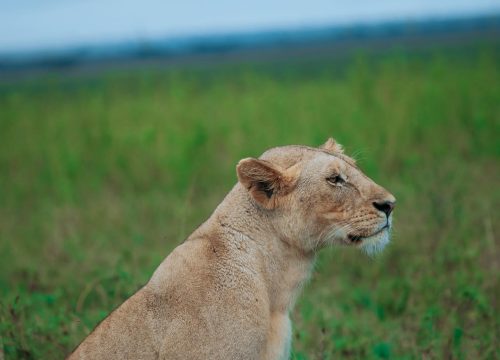
Game Drives: Tanzania is famous for its exhilarating game drives, usually scheduled at dawn and dusk when wildlife is most active. Visitors have the chance to encounter the Big Five—lions, elephants, buffaloes, leopards, and rhinos—alongside cheetahs, giraffes, zebras, and wildebeest. Knowledgeable guides share insights about animal habits, conservation initiatives, and the ecosystems of the Serengeti, Ngorongoro Crater, and other national parks. These drives are ideal for photographers and wildlife enthusiasts eager to experience nature up close.
Walking Safaris: For a more personal wildlife encounter, guided walking safaris let travelers explore the terrain on foot. Conducted in safe, predator-free areas, these walks offer close-up views of smaller animals, birds, insects, and plant life. Guides provide lessons on tracking wildlife, identifying footprints, and understanding the medicinal uses of local flora, creating an engaging and educational experience.
Hot-Air Balloon Safaris: A sunrise balloon ride over the Serengeti presents a stunning vantage point of Tanzania’s open plains. From above, travelers can watch large herds of wildebeest, zebras, and other wildlife moving across the landscape. Many balloon safaris conclude with a traditional champagne breakfast in the bush, making the experience both unforgettable and romantic.
Cultural Experiences: Tanzania also offers rich opportunities to explore local traditions. Visits to Maasai and other indigenous villages allow guests to learn about traditional lifestyles, observe cultural ceremonies, and see local craftsmanship firsthand. Travelers can enjoy dances, interact with communities, and purchase handmade goods, adding cultural depth to a wildlife-focused trip.
Optional Activities: Many camps and lodges provide additional options such as night drives, bird-watching tours, photography safaris, and conservation-focused excursions. These activities enhance wildlife encounters and support sustainable tourism initiatives in the region.
Travel Tips and Essentials
Entry Requirements: Most visitors can obtain a Tanzania visa on arrival at the airport or in advance through the official e-Visa system. Make sure your passport is valid for at least 6 months after your trip. Some nationalities may require additional documents, so please check the requirements in advance. Health Preparation: If you are traveling from an area where yellow fever is endemic, you may need a yellow fever vaccination. It’s also a good idea to know about routine immunizations and consider hepatitis A, hepatitis B, and typhoid vaccines. Schedule a consultation at a travel clinic a few weeks before your flight departs so you can take all the necessary precautions.
Clothing and Gear: Lightweight, breathable fabrics in earthy colors like khaki, beige, or olive green will help you stay cool and blend into the scenery. Long sleeves and pants protect from the sun and insects. Don’t forget a wide-brimmed hat, sturdy shoes, and UV-blocking sunglasses. Wildlife photography and viewing: If you want to capture wildlife up close, bring a telephoto camera along with a tripod for stability. You will need binoculars to spot the animals from a distance. Extra batteries and memory cards are essential to ensure you don’t miss important moments such as wildlife movements or predator sightings.
SAFETY AND COMFORT: Stay hydrated, use sunscreen, and always use insect repellent. Follow your guide’s instructions, keep a safe distance from the animals, and follow the designated routes. These measures will protect both you and the wildlife in Tanzania. Other essentials: A small backpack, reusable water bottle, light coat (for rainy season), and personal medicine will make your safari better. For added peace of mind, we highly recommend travel insurance that includes health and adventure cover.
Transportation on a Tanzania Safari
Having reliable and comfortable transportation is essential for an enjoyable safari in Tanzania. Visitors have multiple options to move between destinations efficiently while still enjoying excellent wildlife viewing opportunities.
Domestic Flights: Tanzania’s network of domestic flights offers a quick and convenient way to travel between major safari regions. Air routes link key locations such as Arusha, the Serengeti, Ngorongoro Crater, and Zanzibar, dramatically cutting travel time compared to road journeys. These flights are operated by trusted local carriers, with pilots experienced in navigating the unique terrain, providing both safety and stunning aerial vistas of the savannah and its wildlife. Booking in advance is recommended to secure the best fares, particularly during peak travel seasons.
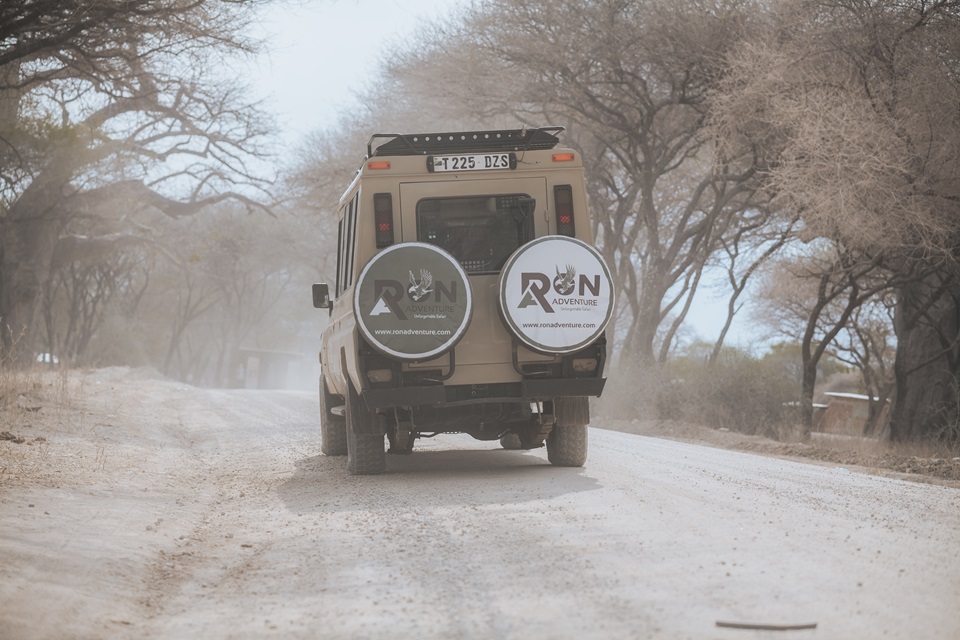
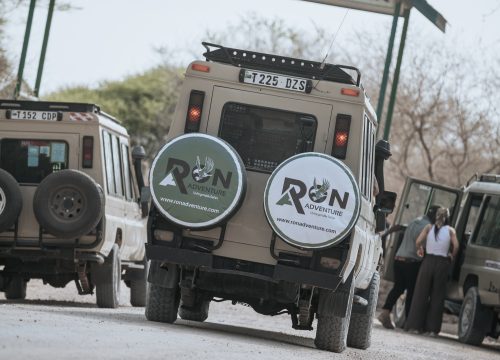
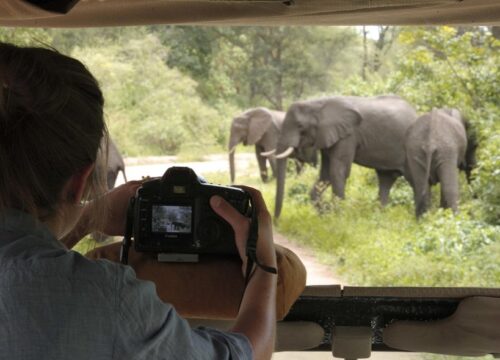
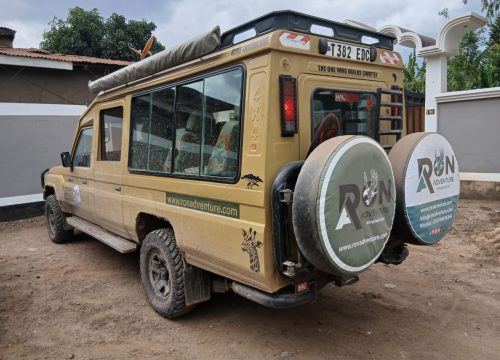
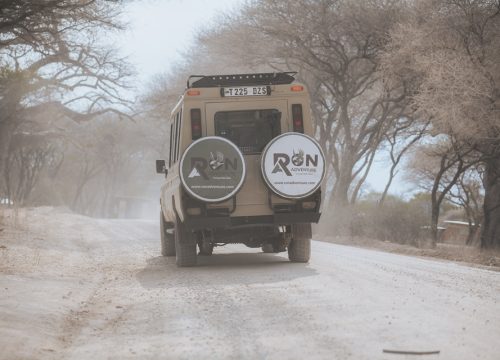
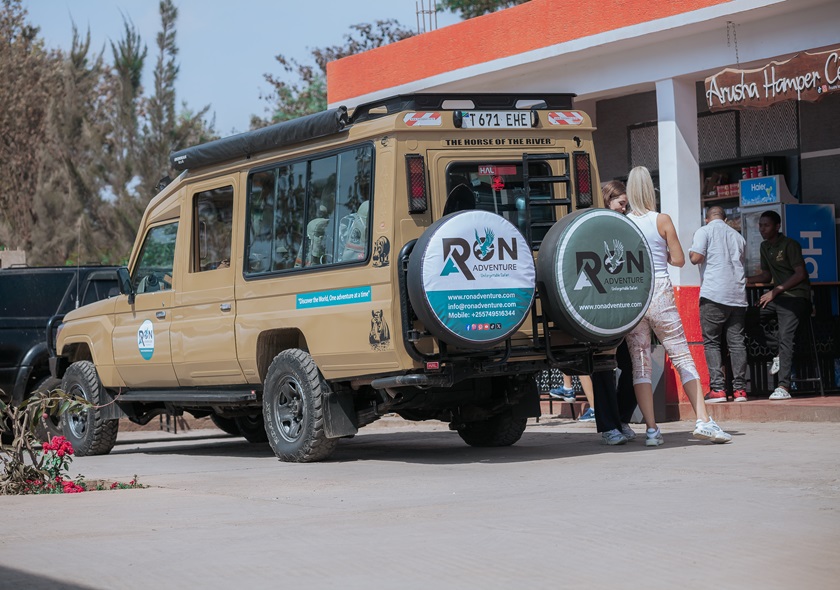
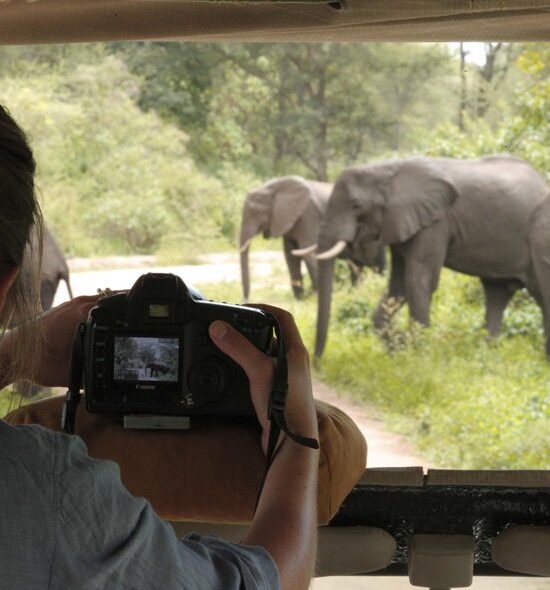
Safari Vehicles: On land, 4×4 safari vehicles are the standard for exploring the wilderness. Designed with elevated pop-up roofs, these vehicles give passengers unobstructed views for wildlife spotting and photography. They are rugged enough to handle rough terrain, including dirt tracks, river crossings, and uneven trails, granting access to remote areas where animals congregate. Private vehicles allow flexibility to pause for sightings, capture photos, or enjoy a scenic picnic in the midst of nature.
Private Guides: Most safaris include expert local guides who provide detailed knowledge about Tanzania’s ecosystems, wildlife behavior, and bird species. Guides enhance the experience by pointing out elusive animals, explaining conservation efforts, and sharing insights about the local flora and fauna. They can also customize itineraries to suit individual interests, creating a more personalized and memorable safari adventure.
Combining domestic flights, dependable safari vehicles, and skilled guides ensures a smooth, safe, and immersive safari experience across Tanzania.
Why Choose Tanzania for Your 2026 – 2027 Safari Adventure
Tanzania remains one of the world’s most captivating safari destinations, blending breathtaking landscapes, incredible wildlife, and rich cultural experiences. From the endless plains of the Serengeti to the misty forests of the Udzungwa Mountains, the country offers a diverse range of habitats that support an astonishing variety of animals. On a Tanzania safari 2026, travelers can spot the Big Five—lions, elephants, leopards, rhinos, and buffalo—along with giraffes, zebras, cheetahs, and more than 1,000 bird species, making it a true paradise for wildlife photography enthusiasts.
One of the highlights of visiting Tanzania is witnessing the Great Wildebeest Migration, a remarkable annual spectacle where millions of wildebeest, zebras, and gazelles journey across the Serengeti and Maasai Mara. Watching river crossings and predator-prey interactions up close is an unforgettable experience for any African safari adventure. Beyond the Serengeti, destinations like Ngorongoro Crater, Lake Manyara, Tarangire, and Ndutu showcase wildlife in varied ecosystems, from thick woodlands to wide-open savannahs.
Tanzania also offers a well-developed safari infrastructure, with luxury lodges, stylish tented camps, and expert guides who ensure both safety and adventure. Many safari itineraries can be paired with a Zanzibar beach safari, where turquoise waters, powdery white sand, and vibrant Swahili culture create the perfect tropical retreat.
A 2026- 2027 Tanzania safari promises more than just sightseeing—it’s a chance to immerse yourself in the wild heart of Africa. Whether you’re capturing Tanzania wildlife photography, seeking thrilling encounters, or simply exploring serene landscapes, this journey guarantees unforgettable memories and authentic adventure.
Planning Your Tanzania Safari
A successful Tanzanian safari starts with timing. Visit between January and March to catch the wildebeest calving in Ndutu, or July to October for the iconic Serengeti River crossings. Choosing the right season makes all the difference in witnessing these unforgettable wildlife moments.
Next, pick your destinations. Tanzania’s safari options are diverse: the endless plains of the Serengeti, predator-filled Ngorongoro Crater, bird-rich Lake Manyara, and the scenic Tarangire National Park. Short on time? Focus on one or two parks to fully immerse yourself in the wildlife experience.
Accommodation comes in all styles, from luxury lodges with guided game drives to intimate tented camps and budget-friendly options. Decide what matters most—comfort, adventure, or affordability.
Finally, consider using a professional safari operator. They handle permits, guides, and logistics, and can tailor your itinerary to your interests—wildlife photography, animal tracking, or cultural experiences with local communities. With expert support, your safari will run smoothly, letting you enjoy Tanzania’s nature safely and responsibly.
Frequently Asked Questions (FAQs) about Tanzania Safari 2026
Q1: What is the best time to go on a Tanzania safari?
A: The best time depends on what you want to see. For wildlife viewing and dry roads, June–October is ideal. If you want to witness the wildebeest calving season, January–March in Ndutu is perfect. For lush landscapes and fewer crowds, visit during the green season (November–May).
Q2: What wildlife can I expect to see in Tanzania?
A: Tanzania is home to the Big Five—lion, elephant, leopard, buffalo, and rhino—as well as giraffes, zebras, wildebeest, cheetahs, hippos, crocodiles, and thousands of bird species. You can also witness dramatic predator-prey interactions during the migration.
Q3: How long should a Tanzania safari be?
A: A typical safari lasts between 5 and 10 days, allowing time to visit multiple parks like Serengeti, Ngorongoro, Tarangire, and Lake Manyara. Shorter trips (2–4 days) are possible but will focus on fewer destinations.
Q4: Can I combine a safari with a Zanzibar beach vacation?
A: Yes. Many travelers combine a northern Tanzania safari with a few days in Zanzibar to relax on pristine beaches after their wildlife adventure. Domestic flights from Arusha to Zanzibar make this combination convenient.
Q5: Do I need a visa to enter Tanzania?
A: Most travelers can obtain a visa on arrival at the airport or apply online before travel. Requirements vary by nationality, so check your country’s regulations before departure.
Q6: What should I pack for a Tanzania safari?
A: Essential items include neutral-colored clothing, a hat, sunglasses, sunscreen, comfortable walking shoes, binoculars, a camera with a telephoto lens, insect repellent, and a small first aid kit. Warm clothing is needed for early morning and evening game drives.
Q7: Are safaris safe for families and solo travelers?
A: Yes. Tanzania’s safari operators are highly experienced, vehicles are safe, and guides are trained in wildlife safety. Children should follow the guide’s instructions, and solo travelers are welcome, often joining group tours.
Q8: How much does a Tanzania safari cost?
A: Costs vary depending on the season, accommodation type, duration, and number of parks visited. Luxury lodges cost more, while budget lodges and tented camps offer affordable options. Working with a trusted safari operator helps you plan according to your budget.
Q9: Can I see the Great Wildebeest Migration on any safari in Tanzania?
A: It depends on the timing and location. The migration moves across the Serengeti and Mara regions throughout the year. January–March (Ndutu) for calving, June–July (Grumet), and August–October (Mara River crossings) are the best times to witness the migration.
Q10: Do I need vaccinations or health precautions before traveling?
A: Yellow fever vaccination may be required if arriving from certain countries. Malaria prevention is recommended for most safari areas. Consult a travel doctor before your trip for personalized advice.