Ngorongoro Crater: Complete Travel Guide for Safari Lovers
One of Tanzania’s most well-known tourist destinations is the Ngorongoro Crater, which is widely regarded as a natural marvel of the globe. Because of its breathtaking scenery and amazing wildlife, this place is a must-see for anybody visiting Northern Tanzania. This guide will cover everything, including lodging, animals, costs, accessibility, and the optimum time to visit.
Table of contents
- Ngorongoro Crater: Complete Travel Guide for Safari Lovers
- 1. What is Special About the Ngorongoro Crater?
- 2. Is Ngorongoro the Largest Crater in the World?
- 3. Wildlife Found in Ngorongoro Crater
- 4. Ngorongoro Crater Size and Altitude
- 5. How to Reach Ngorongoro Crater
- 6. Entrance Fee to Ngorongoro Crater
- 7. Cost of a Day Trip to Ngorongoro Crater from Arusha
- 8. Ngorongoro Crater Accommodation Options
- 9. Best Time to Visit Ngorongoro Crater
- 10. Is Ngorongoro Crater Worth Visiting?
1. What is Special About the Ngorongoro Crater?
When a massive volcano erupted and fell, the Ngorongoro Crater, a volcanic caldera, was created two to three million years ago. It is famous for:
• From the crater’s rim, the view is stunning.
• A community with a diverse population of organisms that can sustain itself.
• A large proportion of endangered species and a large number of predators
• Near Maasai cultural activities, Visitors are left speechless by the blend of breathtaking scenery, a diverse range of species, and an interesting cultural background.

2. Is Ngorongoro the Largest Crater in the World?
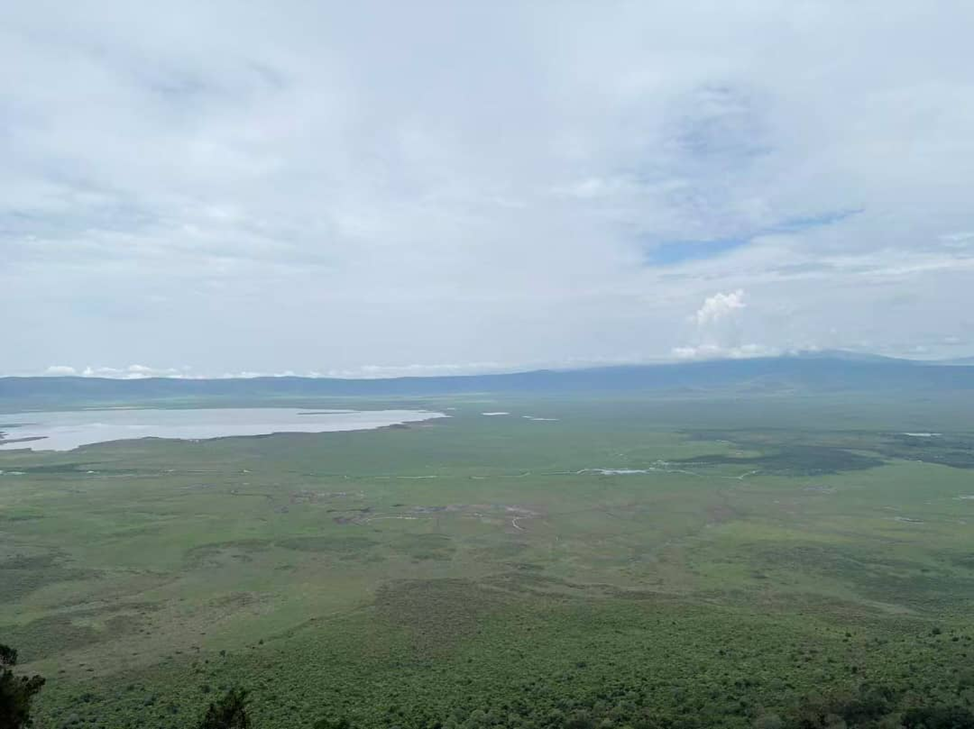
The Ngorongoro Crater is often referred to as the largest intact volcanic caldera in the world. It covers approximately 260 square kilometers (100 square miles) and is unique because it is intact, naturally preserved, and inhabited by abundant wildlife. While there are larger volcanic craters globally, Ngorongoro stands out as the largest fully preserved caldera with an active ecosystem, making it a one-of-a-kind destination for wildlife and safari enthusiasts.

Aerial view of Ngorongoro Crater with wildlife below
3. Wildlife Found in Ngorongoro Crater
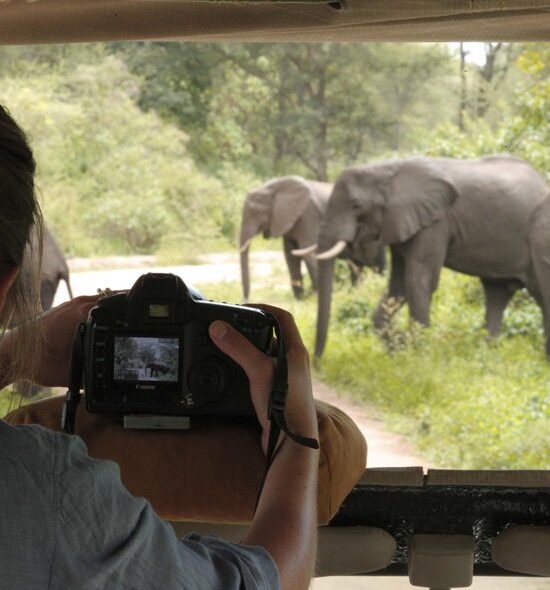
Because the Ngorongoro Crater has such a wide variety of animals, it is often known as Africa in miniature because it has nearly all of the species that you would expect to see on a typical Tanzanian safari. Because of its self-contained ecology, visitors may observe a large number of species in a limited area.
Predators
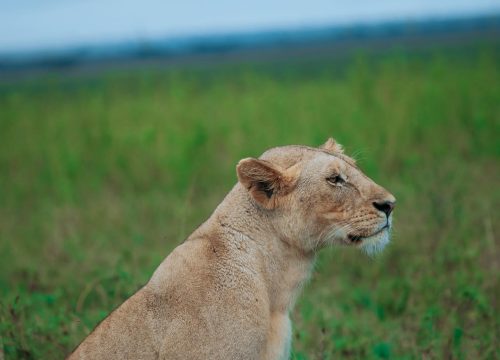
- Lions: Ngorongoro is famous for its resident lion prides. Visitors can often see lions hunting or resting in the crater floor’s grasslands. The crater has one of the highest lion densities in Africa.
- Leopards: Elusive and mostly nocturnal, leopards live in the crater’s forests and rocky outcrops. Spotting them is rare but thrilling.
- Cheetahs: The open grasslands of the crater floor provide perfect hunting grounds for cheetahs, especially during the green season when prey is abundant.
- Spotted Hyenas: Highly social and opportunistic predators, hyenas are often seen scavenging or hunting in packs.
Herbivores
- African Elephants: Small herds wander the crater floor, often seen near water sources.
- Buffalo: Large herds graze the crater grasslands and are a favorite prey for predators.
- Wildebeest & Zebras: Though smaller than in the Serengeti, these populations still provide abundant prey for carnivores.
- Giraffes: Usually found near crater edges or acacia trees, adding a scenic touch to the landscape.
- Hippopotamuses: Concentrated in crater lakes and swamps, hippos are a highlight for visitors near water sources.
- Black Rhinoceros: Ngorongoro is one of the few places in Tanzania where endangered black rhinos can be reliably seen, though sightings are often brief.
Birds
- Over 500 bird species have been recorded, including flamingos near the soda lakes, eagles, vultures, and colorful sunbirds.
- Migratory birds visit during certain months, making Ngorongoro a paradise for birdwatchers.
Unique Features
- High predator density: Because the crater is self-contained, predators are easier to observe than in larger open areas like the Serengeti.
- Calf season: From January to March, wildebeest calving occurs in the southern parts near Ndutu, occasionally extending into the crater, attracting predators.
- Lake-dependent species: Hippos, crocodiles, and flamingos are concentrated around the crater’s small lakes and soda pans.
Pro Tip: The crater floor is easier to explore than large savannah parks. With a knowledgeable guide, you can often see lions, elephants, buffalo, hippos, and rhinos all in a single game drive.

“Lion pride in Ngorongoro Crater, Tanzania”
4. Ngorongoro Crater Size and Altitude
- Size: Approximately 260 km² (100 square miles)
- Diameter: About 19 km (12 miles) across from rim to rim
- Rim Altitude: Around 2,285 meters (7,500 feet) above sea level
- Crater Floor Altitude: Approximately 1,800 meters (5,900 feet) above sea level
- Depth: Roughly 600 meters (2,000 feet) from rim to floor
The steep walls surrounding the crater form a natural enclosure, creating a self-contained wildlife paradise. Because of the large difference in height between the rim and the floor:
- Temperatures on the rim are cooler, sometimes misty in the early mornings
- Temperatures on the crater floor are warmer and drier
- Clouds often form along the rim while the floor remains clear
- vegetation changes from montane forest on the rim to grassland and swamps inside the crater
This dramatic drop from rim to floor creates distinct microclimates and ecosystems, allowing a wide range of animals and plants to thrive in a relatively small area. It is one of the reasons Ngorongoro is considered a unique natural wonder and supports such high wildlife density.
5. How to Reach Ngorongoro Crater
Ngorongoro is located in Northern Tanzania, about 180 km (112 miles) from Arusha, the main safari hub.
By Road:
- Most travelers drive from Arusha in 3–4 hours via well-maintained roads
- 4×4 safari vehicles are recommended, especially for crater rim drives
By Air:
- Small charter planes can land at nearby airstrips like Lake Manyara Airstrip
- Transfers to the crater from airstrips usually take 1–2 hours
6. Entrance Fee to Ngorongoro Crater
The entrance fee is charged by the Ngorongoro Conservation Area Authority (NCAA):
| Category | Fee (USD) | Notes |
| Adult Non-resident | $70 | per person per day |
| Child Non-resident | $30 | ages 5–15 |
| Tanzanian Resident Adult | TZS 20,000 | approx. $8 |
| Tanzanian Resident Child | TZS 10,000 | approx. $4 |
| Vehicle Fee | $25 | per car for non-residents |
| Crater fees | $ 295 | 11,800 for East African resident |
Fees are updated periodically, so always check official sources before visiting.
7. Cost of a Day Trip to Ngorongoro Crater from Arusha
A day trip from Arusha to Ngorongoro Crater is one of the most popular options for travelers with limited time who still want to experience a world-class safari.
A typical day trip includes:
- Pickup and drop-off from your hotel or lodge in Arusha
- Transport in a 4×4 safari vehicle with a pop-up roof
- Services of a professional, English-speaking safari guide
- Bottled drinking water during the safari
- Game drive inside the Ngorongoro Crater
- Government taxes and crater entrance fees
Depending on the package, it may also include:
- Packed lunch box or hot lunch
- Binoculars in the vehicle
- Medical evacuation insurance (with some operators)
Approximate Cost
- Private Safari: USD $250–$350 per person (based on 2–4 people sharing)
Ideal for couples, families, or travelers who prefer flexibility - Shared Group Safari: USD $120–$150 per person
Good for solo travelers on a budget or small groups joining others
Prices vary based on group size, season, vehicle type, and inclusions such as meals and accommodation.
What is not usually included
- Personal travel insurance
- Tips for guide/driver
- Drinks not mentioned in the package
- Accommodation in Arusha (if required before/after the tour)
Travel time and experience
- Driving time from Arusha: About 3–4 hours each way
- Time inside the crater: 4–6 hours of game viewing
- Expect to see Big Five, flamingos, hippos, lions, elephants, and rhinos (with a bit of luck)
Multi-day safari option
Multi-day safaris that combine Tarangire, Serengeti, and Ngorongoro Crater are often more cost-effective per day, especially for:
- families
- photographers
- Travelers wanting migration viewing
They also allow more relaxed travel and longer wildlife viewing time.
8. Ngorongoro Crater Accommodation Options
Visitors can select budget camps, mid-range lodges, or luxury lodges situated on or close to the crater rim. The rim’s lodging offers easy access to early-morning game drives into the crater, while the somewhat distant accommodation offers more economical choices and cultural encounters with neighboring Maasai villages.
• Luxury Lodges:
The Manor at Ngorongoro (in the Karatu area), the Lion’s Paw, the Melia Ngorongoro lodge, and the Ngorongoro Crater Lodge are just a few examples of hotels that provide first-rate comfort, beautiful rooms, private terraces with crater views, excellent dining, spa services, and individualized butler service. These resorts are perfect for honeymooners, photographers, and travelers looking for an exclusive experience with breathtaking landscapes and high-quality service.
• Mid-Range Lodges:
Cozy common spaces with fireplaces are available in this category at locations like the Ngorongoro Serena Safari Lodge and the Rhino Lodge, along with comfy rooms, en-suite amenities, and restaurants. They strike a balance between excellent value and comfort, making them a favorite among families and small parties seeking convenience at an affordable price.
• Budget Camps and Public Campsites:
Simple amenities are available at public and private campgrounds around the crater rim and in the surrounding Maasai region, including shared restrooms, rudimentary kitchens, and tented lodgings. These are ideal for budget safari programs, students, and daring tourists who wish to experience the location at a lower cost while remaining close to the natural environment.
Tips:
By staying at the top of the crater rim, you have stunning vistas of the sunrise and sunset over the crater floor, lower temperatures, and convenient access to the trail that enters the crater. Nevertheless, there are few lodging options within the conservation area, and they are frequently reserved months in advance. Therefore, tourists are recommended to make reservations well in advance, particularly during the busiest months of June through October and December through March.
9. Best Time to Visit Ngorongoro Crater
| Month | Weather & Wildlife Notes |
| Jan–Mar | Calving season in nearby Ndutu; landscapes are green and beautiful; good predator sightings following young herbivores; afternoon showers possible; fewer crowds compared to peak dry season |
| Apr–May | Short rains begin; landscapes start turning green again; very good time for birdwatching with migratory species present; wildlife is still abundant; fewer tourists than peak season and often better prices |
| Jun–Oct | Dry season; easiest wildlife viewing as animals gather around water sources; grass is shorter, improving visibility; cool mornings and evenings, warm days; peak tourist season, especially July–September. |
| Nov–Dec | Short rains begin; landscapes start turning green again; very good time for birdwatching with migratory species present; wildlife is still abundant; fewer tourists than peak season, and often better prices |
Best Months:
June to October – ideal for classic dry-season game drives, excellent wildlife visibility, and easier road access into and around the crater.
Good Alternatives:
- January–March – great for seeing newborn animals in Ndutu and dramatic predator interactions
- November–December – good value, fewer tourists, and excellent birdlife
Travel Tip:
Due to the permanent presence of wildlife in the crater, Ngorongoro is a year-round attraction. Whether you like fewer tourists and green scenery, or the greatest wildlife viewing during the dry season, will determine the “best time” to visit.
10. Is Ngorongoro Crater Worth Visiting?
Absolutely—Ngorongoro Crater is one of the most spectacular safari destinations in Africa and truly worth adding to any Tanzania itinerary. The crater combines exceptional wildlife viewing with dramatic scenery and rich cultural heritage, making it a highlight for first-time and repeat visitors alike.
Ngorongoro offers:
• Dense wildlife viewing without long drives
On the crater floor, where most of the fauna resides, you can observe a diverse array of species in a small area. Seeing the Big Five in a single day is one of the greatest experiences in Tanzania.
• Chance to see rare species
Ngorongoro is one of the few locations in Tanzania where you may encounter the endangered black rhino, alongside large prides of lions, elephants, buffalo, zebras, wildebeest, and many more.
• Unique experience of viewing from the rim
Before descending, travelers enjoy breathtaking panoramic views from the crater rim—the world’s largest unbroken caldera formed millions of years ago by volcanic activity.
• Walking and hiking experiences nearby
Certain areas around the rim offer guided nature walks where you can enjoy fresh highland air, forest scenery, and birdlife while learning about the ecosystem from local guides.
• Stunning landscapes for photography
The crater floor is made up of lakes, open grasslands, forests, and swamps, providing perfect backgrounds for wildlife and landscape photography.
• Rich Maasai culture and conservation education
Visitors can learn about the traditional lifestyle of the Maasai communities who live in the conservation area and understand how wildlife and people coexist.
• Great option for short safaris
Because of its compact size and high wildlife density, Ngorongoro is ideal for travelers with limited time—it delivers a full safari experience in just one day.
In summary, even for travelers on a short safari, Ngorongoro is widely considered a “must-visit” destination in Tanzania thanks to its wildlife, scenery, accessibility, and unique cultural value.
- Ngorongoro Crater FAQs
Q: How long does it take to explore the crater?
A: 4–6 hours for a half-day safari; full day recommended to explore key wildlife areas.
Q: Can you drive yourself in the crater?
A: Self-driving is not allowed; all vehicles must have a guide/park ranger.
Q: Are there dangerous animals in the crater?
A: Yes, lions, hyenas, and buffalo are present; always follow the guides’ instructions.
Q: Can you stay overnight inside the crater?
A: Overnight stays inside the crater are not allowed. Accommodations are on the rim or nearby areas.
Q: Do I need a 4×4 vehicle?
A: Highly recommended, especially during the wet season or for crater rim drives.
Final Thoughts
One of Tanzania’s easiest to reach and most wildlife-rich safari locations is the Ngorongoro Crater. It has something for everyone, whether you’re looking for lions, endangered black rhinos, or stunning scenery. A trip to Tanzania is truly unforgettable when you include Zanzibar, Serengeti, and Ngorongoro.

Tarangire National Park Safari
6 Day Tanzania Safari Itinerary
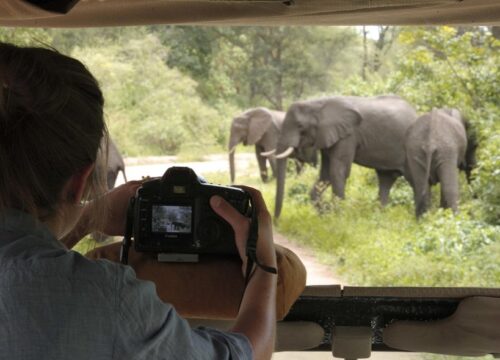
Top 10 Safari Mistakes to Avoid in Tanzania
Central Serengeti Safari Guide – Wildlife, Best Time to Visit & Travel Tips
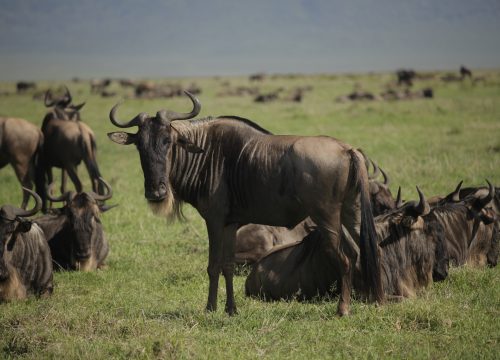
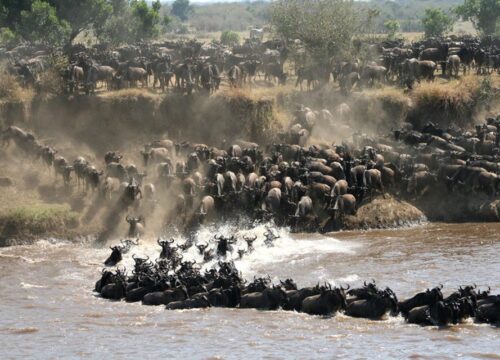
Tanzania Wildebeest Migration – The Ultimate Guide to Africa’s Greatest Wildlife Journey
Ron Adventure Tour Company | Tanzania Safari & Kilimanjaro Experts
Mount Kilimanjaro Climbing Routes
Tanzania Safari 2026- 2027: Witness the Incredible Wildlife and Natural Beauty of Tanzania
Mount Kilimanjaro – Complete Guide for Climbers and Safari Travelers
Ngorongoro Crater: Complete Travel Guide
Is Ndutu in Serengeti or Ngorongoro? A complete Guide
How Much Does a Serengeti Safari Cost? (Complete Guide)
Best Time to Visit Serengeti for the Great Migration
Why Tanzania Is the Best African Safari Destination

Is Tanzania Safe to Visit After the 2025 Election?
Tarangire National Park Safari
6 Day Tanzania Safari Itinerary
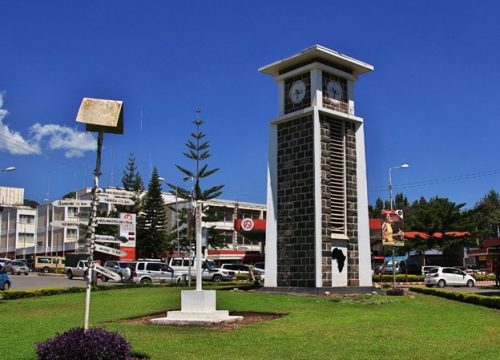
Arusha Travel Guide