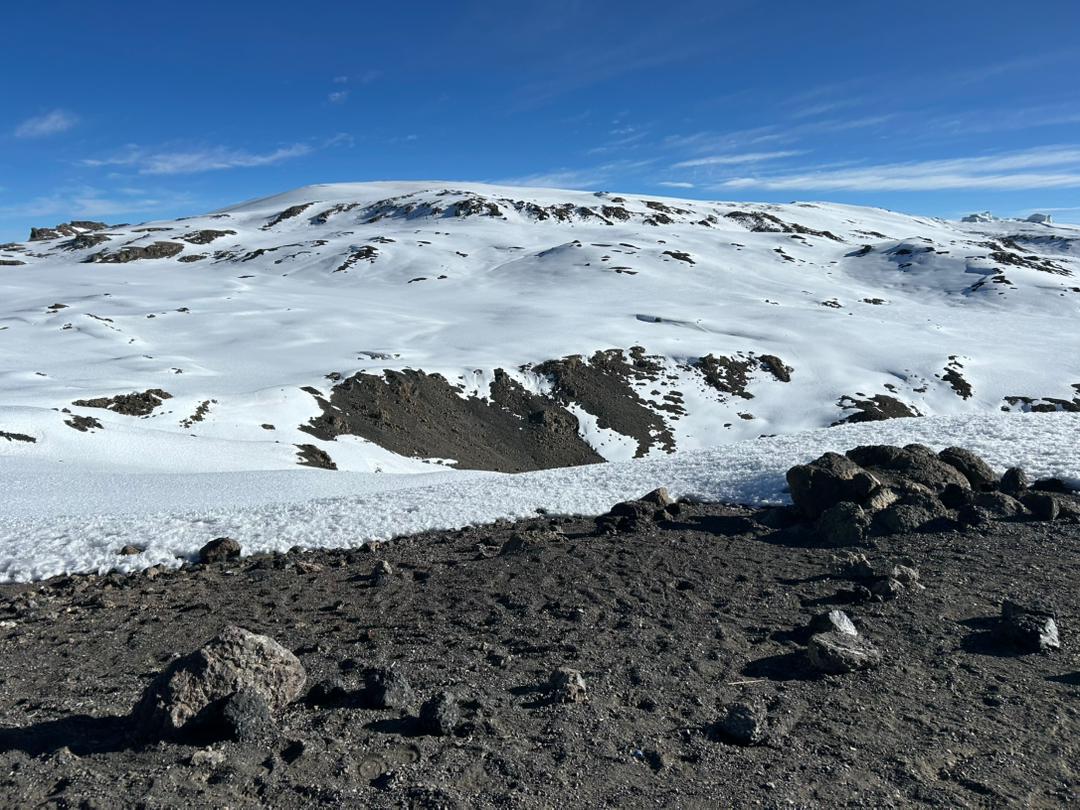
Mount Kilimanjaro, located in northern Tanzania, is Africa’s tallest peak and one of the most renowned trekking destinations worldwide. This impressive volcanic mountain stands above the surrounding plains and is easily recognized by its iconic ice-covered summit. Listed as a UNESCO World Heritage Site, Kilimanjaro attracts adventurers from across the globe. Although the climb reaches high altitudes, it is primarily a trekking route rather than a technical climb, making it accessible to many well-prepared hikers with the support of professional guides.
2. Kilimanjaro meaning
The exact meaning of the name “Kilimanjaro” is still debated. It is commonly believed to combine the Swahili word “Kilima” (mountain) and the Chagga word “Njaro” (whiteness or shining)—referring to the snow-covered summit. Locals also call the mountain “The Roof of Africa.”
3. Kilimanjaro: country, continent, and location
Mount Kilimanjaro stands in northern Tanzania in East Africa, a country well known for its wildlife, scenery, and many cultures. The mountain is part of the African continent and rises higher than any other peak in Africa, which is why it draws many visitors who hope to experience its slopes and summit.
The mountain is situated close to the town of Moshi and lies not far from Tanzania’s border with Kenya. Most visitors reach the area through Kilimanjaro International Airport (JRO). Kilimanjaro is contained within Kilimanjaro National Park, a protected area created to conserve its natural habitats and managed by the Tanzania National Parks Authority (TANAPA). The surrounding region includes farmland, communities of the Chagga people, bands of forest, and higher-altitude landscapes that gradually change into cold, ice-covered summit areas.
Kilimanjaro is made up of three volcanic cones: Kibo, Mawenzi, and Shira. The highest point on Kibo is called Uhuru Peak, which is the tallest point on the African continent.
4. Kilimanjaro mountain range
Mount Kilimanjaro is often called the highest free-standing mountain in the world, as it rises alone above the surrounding plains rather than forming part of a mountain range. It was created by volcanic activity and consists of three major volcanic cones:
Kibo – the highest peak, currently dormant, but with the potential to erupt again.
Mawenzi – a steep and rugged cone, now extinct, meaning it will never erupt again.
Shira – the oldest cone, which has collapsed over time, forming a vast plateau on the western side of the mountain.
The summit of Mount Kilimanjaro is Uhuru Peak, located on the edge of Kibo’s crater. For most climbers, reaching Uhuru Peak is the ultimate goal, as it is the highest point in Africa.
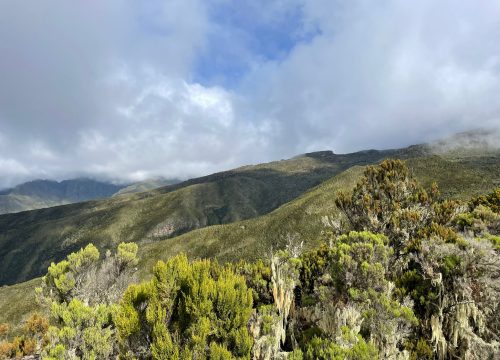
Kilimanjaro is also famous for its distinct ecological zones, which climbers experience on the ascent:
Farmland at the base
Rainforest with rich flora and fauna
Heath and moorland
Alpine desert
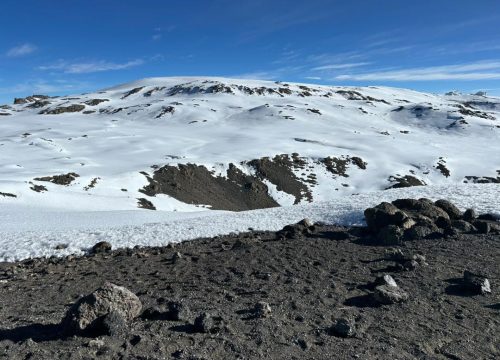
Icy summit region at the top
The dramatic shift in climate and vegetation from the base to the summit makes Kilimanjaro unique among mountains worldwide.
5. Why Mount Kilimanjaro is Famous: A Complete Guide for Trekkers
Located in northern Tanzania, Mount Kilimanjaro is Africa’s tallest mountain, soaring to 5,895 meters (19,341 feet) above sea level. Its majestic height and unique landscapes draw hikers, adventurers, and nature enthusiasts from across the globe. Several key factors contribute to Kilimanjaro’s worldwide fame and enduring appeal:
2. The Isolated Mountain
Kilimanjaro is unique because it is not part of a long mountain range like the Himalayas or the Andes; rather, it is an isolated peak. As one of the most photographed mountains in the world, its solitary location makes it a remarkable landmark. 3. A Tour of Various Ecosystems The diversity of ecological zones experienced during the ascent is one of Kilimanjaro’s most intriguing aspects. The route begins in dense rainforest at the bottom, passes through heath and moorland, then ascends to the alpine desert before ending at the snow-covered summit. The expedition is made genuinely unique by this abrupt transition in climate and flora over a small area.
Rich Landscapes and Diverse Wildlife
The mountain’s slopes are filled with lush forests, waterfalls, giant endemic plants, and diverse wildlife, including monkeys, antelopes, and hundreds of bird species. Every stage of the Kilimanjaro trekking routes offers new scenery and ecological wonders.
One of the Seven Summits
Kilimanjaro is part of the prestigious Seven Summits, a collection of the highest peaks on each continent. Many climbers include Kilimanjaro in their mountaineering goals to conquer all seven, further increasing its global fame.
Cultural and Historical Significance
The areas surrounding Mount Kilimanjaro are home to the Chagga people, whose customs, traditions, and folklore are closely connected to the mountain. Kilimanjaro also serves as a national symbol of Tanzania, representing the country’s natural beauty and heritage.
Iconic Snow-Capped Peaks Near the Equator
Despite being located close to the equator, Kilimanjaro’s summit is covered with glaciers and snow. This rare combination of tropical latitude and icy peaks has made it an iconic feature in photography, documentaries, and travel literature worldwide.
Conclusion Whether you are planning a Kilimanjaro trekking adventure, a safari in northern Tanzania, or simply exploring Africa’s natural wonders, Mount Kilimanjaro stands out as a must-visit destination. Its unique combination of height, landscapes, wildlife, culture, and climbing challenges ensures it remains one of the most famous mountains on Earth.
6. The height of Mount Kilimanjaro
The official height of Mount Kilimanjaro is 5,895 meters (19,341 feet) above sea level, which makes it the highest peak in Africa. With Uhuru Peak at its summit, it’s a popular trekking location that draws climbers of all skill levels because of its accessibility and rewarding experience.
Kilimanjaro is not a technically demanding climb, regardless of its altitude, since it doesn’t require any specific mountaineering gear, but it does necessitate adequate acclimatization and planning in order to avoid altitude sickness. Additionally, the height of the mountain results in unique climate zones as hikers climb, moving from tropical rainforests at the base to heath and moorland, alpine desert, and ultimately to the snowy, glacier-covered peak.
The summit of Uhuru Peak is a spiritual and physical achievement, with spectacular panoramic views of the surrounding plains, Mount Meru, and even the far-off Kenyan highlands on clear days. The combination of altitude, scenery, and ecological diversity makes Kilimanjaro a truly unforgettable experience for adventurers from all over the world.
7. When is the best time to climb Mount Kilimanjaro?
The ideal periods to climb Mount Kilimanjaro are during Tanzania’s dry seasons, when weather conditions are more stable, and trekking is safer:
January to early March: This period is generally warm with plenty of sunshine, offering excellent visibility and comfortable conditions for hiking. It’s a great choice for trekkers who enjoy milder weather and want to take in the stunning landscapes.
June to October: Often regarded as the best time to reach Uhuru Peak, this season is dry and cooler. The trails are less muddy, the skies are mostly clear, and overall conditions for summiting are favorable.
Although climbing is possible year-round, other months require extra caution:
April to May and November: These months mark Tanzania’s long and short rainy seasons. Hikes during this time may involve slippery trails, heavier rainfall, and limited visibility due to cloud cover. These factors can affect both the safety and enjoyment of the climb.
Additional notes for clients:
Acclimatization is key: Even during the best seasons, altitude sickness is a risk. Choosing a longer route like Lemosho or Machame helps your body adjust gradually.
Trail conditions vary: Trails are generally drier and easier to navigate in the dry season. The rainy seasons can make some paths muddy and slippery, especially on steep slopes.
Packing essentials: Weather can change rapidly as you ascend. Even in dry months, climbers need warm clothing, waterproof jackets, gloves, and hats for summit day.
Peak view considerations: Clear skies during the dry seasons offer the best opportunity to see glaciers, Mount Meru, and the plains of Tanzania and Kenya. Cloudy weather can obscure these views.
Crowd factor: July–August and September–October are peak trekking months, so expect more climbers on popular routes. For a quieter experience, consider January–March or June.
By planning your climb during the recommended dry seasons and preparing for temperature changes and altitude, climbers can maximize their chances of a safe, enjoyable, and unforgettable journey to Uhuru Peak.
8. Kilimanjaro weather and seasons
The weather on Mount Kilimanjaro varies significantly depending on altitude and season, so climbers should be well-prepared for changing conditions:
Rainforest zone (1,800–2,800 m): Warm, humid, and often wet. Expect lush greenery and occasional rain showers. Lightweight waterproof clothing and breathable layers are recommended.
Heather and moorland zone (2,800–4,000 m): Cooler temperatures with breezy conditions. Comfortable trekking layers are ideal, as mornings and evenings can feel chilly.
Alpine desert zone (4,000–5,000 m): Temperatures are hot during the day under the sun but drop sharply at night. Sun protection, hats, and layered clothing are important.
Summit zone (5,000–5,895 m): Freezing temperatures with strong winds. Prepare for snow, frost, and very cold nights. Heavy thermal clothing, gloves, and head protection are essential.
Temperature range: Because climbers might encounter temperatures ranging from +25°C at the base to -15°C or below at the peak, it is essential to prepare for both warm and cold weather.
9 . Hiking Kilimanjaro Checklist of Packing and Gear for Customers
Because you must pass through several climate zones while ascending Kilimanjaro, it is imperative to pack wisely. Prepare for a secure and enjoyable walk using this checklist.:
1. Base & Rainforest Zone (1,800–2,800 m)
Lightweight, breathable trekking clothes
Waterproof jacket or poncho (rain is common)
Comfortable hiking boots with a good grip
Hiking socks (moisture-wicking)
Insect repellent
Hat or cap for sun protection
Small daypack for snacks, water, and rain gear
2. Heather & Moorland Zone (2,800–4,000 m)
Light fleece or thermal layers
Long-sleeved shirts and trousers
Windproof jacket
Trekking poles (optional but helpful)
Sunglasses with UV protection
3. Alpine Desert Zone (4,000–5,000 m)
Warm layers for daytime and evening (fleece or down jacket)
Hat, gloves, and scarf or buff
High-SPF sunscreen
Lip balm with SPF
Sunglasses (very important at high altitudes)
Extra water bottles or a hydration pack
4. Summit Zone (5,000–5,895 m / Uhuru Peak)
Heavy insulated jacket (down recommended)
Thermal base layers
Insulated gloves and mittens
Warm hat and balaclava
Trekking boots suitable for snow/ice
Gaiters (optional, for snow/mud)
Headlamp (for early summit hikes)
5. Other Essentials for All Zones
Backpack rain cover
Personal first-aid kit and altitude sickness medication (consult your doctor)
Snacks, energy bars, and electrolytes
Camera/binoculars
Travel documents, permits, and park fees confirmation
Optional: trekking poles, walking stick, or portable charger
Client Tips:
Layering is key: it can be +25°C at the base and –15°C at the summit. Adjust clothing as you ascend.
Pack light but smart: your guide and porters can help carry heavier items.
Hydrate frequently and eat well to maintain energy and adapt to altitude.
Sunscreen and sunglasses are essential even in cold zones due to strong UV radiation at high altitudes.
10. Popular Kilimanjaro Climbing Routes
Mount Kilimanjaro can be approached through several officially recognized trekking routes, each offering a distinct journey to the summit. The choice of route affects not only the scenery you will experience, but also the pace of the climb, crowd levels, and how well your body adapts to altitude. Your decision should be based on physical condition, available time, and personal travel style.
The Machame Route is a favorite among adventurous climbers who enjoy varied terrain and dramatic landscapes. The trail moves through thick rainforest, open heathlands, and high-altitude desert before reaching the summit approach. While the route is more demanding than others, it rewards climbers with exceptional views and a well-paced itinerary when taken over several days, which supports altitude adjustment.
The Marangu Route follows a more direct path up the mountain and is the only option that provides permanent mountain huts for overnight stays. Because it avoids camping, it is often chosen by trekkers looking for a simpler setup. However, the faster ascent leaves less time for the body to adapt to elevation changes, making careful preparation especially important on this route.
The Lemosho Route begins on the quieter western side of Kilimanjaro and is valued for its remote feel and gradual ascent. Its longer duration allows climbers to gain altitude slowly, improving comfort and increasing the likelihood of reaching the summit. This route offers wide-ranging scenery, from untouched forests to expansive highland plateaus, before joining the main summit trail.
Rongai Route
The Rongai Route reaches Mount Kilimanjaro from the northern slopes, an area that is generally less affected by heavy rainfall. This makes it a practical choice when other routes may be wetter or more crowded. The trail is quiet and peaceful, allowing climbers to enjoy a gradual transition of landscapes and a less commercialized trekking experience.
Northern Circuit Route
The Northern Circuit is the most extended itinerary available on Kilimanjaro and is designed for climbers who prioritize safety and success over speed. By spending more days on the mountain, the body adapts better to altitude, greatly improving summit outcomes. This route circles much of the mountain, offering expansive views and a true feeling of isolation rarely found on shorter routes.
Umbwe Route
Umbwe is a direct and intense ascent that rises sharply from the lower slopes of the mountain. Due to its fast altitude gain and steep terrain, it is only suitable for strong, experienced hikers. This route appeals to climbers who are confident in their abilities and are seeking a physically demanding and adventurous climb rather than a gradual ascent.
Notes for clients:
Longer routes improve acclimatization and reduce the risk of altitude sickness.
Hut vs. camping: some routes offer huts (Marangu), others require tents.
Season matters: dry months (June–October, December–March) are best for most routes.
Guides and porters are mandatory for safety and support.
Fitness preparation: Moderate cardio and hiking training 2–3 months before the climb is highly recommended.
Choosing the right route ensures a safe, comfortable, and memorable experience, allowing clients to enjoy the mountain’s beauty at every stage of the trek.
Kilimanjaro Climbing Routes Comparison
Route
Duration
Difficulty
Accommodation
Highlights / Notes
Machame Route
6–7 days
Moderate to challenging
Camping
Scenic route with forests, moorlands, alpine desert; popular for photographers; good acclimatization.
Marangu Route
5–6 days
Moderate
Huts
“Coca-Cola route”; comfortable huts instead of tents; shorter route can increase altitude sickness risk; suitable for first-time trekkers.
Lemosho Route
7–8 days
Moderate
Camping
Less crowded, very scenic; excellent acclimatization; passes through forests, cliffs, and wide-open plains.
Rongai Route
6–7 days
Moderate
Camping
Scenic route with forests, moorlands, and alpine desert; popular for photographers; good acclimatization.
Northern Circuit Route
9–10 days
Moderate
Camping
Longest route; best acclimatization; panoramic 360° views; remote and wilderness experience.
Umbwe Route
5–6 days
Very challenging
Camping
Steepest route; rapid altitude gain; recommended only for experienced, fit trekkers; dramatic landscapes.
10. How Long Does It Take to Climb Mount Kilimanjaro?
On average, climbing Mount Kilimanjaro takes 6–9 days, depending on the chosen route and your pace. This timeframe allows for proper acclimatization, which is essential to minimize the risk of altitude sickness and improve your chances of reaching the summit.
Important notes for clients:
Shorter treks (4–5 days): While possible, shorter itineraries are more physically demanding and significantly reduce the likelihood of successfully reaching the summit of Uhuru Peak. Rapid ascent increases the risk of headaches, nausea, and altitude-related complications.
Longer treks (7–9 days): These routes offer a slower ascent, allowing for better acclimatization and more time to enjoy the scenic zones, including rainforests, moorlands, and alpine deserts. This improves overall summit success rates.
Route choice matters: Some routes, like Machame, Lemosho, and Shira, are longer but offer better acclimatization and spectacular scenery. Shorter routes like Marangu are quicker but slightly more challenging for summit success.
Daily hiking time: Trekkers typically hike 5–8 hours per day, with longer summit days taking up to 10–12 hours. Proper pacing and rest are crucial.
Guides and support: Professional guides, porters, and high-quality gear significantly improve safety, comfort, and the overall experience.
Climbers who allow enough time for acclimatization and choose the right route not only increase their chances of reaching Uhuru Peak but also get to fully experience the unique ecosystems and breathtaking landscapes that make Kilimanjaro a world-famous adventure.
During a Kilimanjaro trek, clients can expect a combination of adventure, stunning landscapes, and physical challenge. Key aspects of the experience include:
Daily Hiking Duration: Trekkers typically walk 4–8 hours per day, depending on the route and altitude. Breaks are included for meals, rest, and photography.
Changing Vegetation Zones: As you ascend, you will pass through multiple ecological zones—from tropical rainforests and heathlands to alpine deserts and icy summit areas. Each zone offers unique scenery and wildlife.
Spectacular Sunrises and Sunsets: Early mornings and evenings provide breathtaking views over the plains, mountains, and distant landscapes. Many climbers photograph the famous sunrise from Uhuru Peak.
Accommodation: Depending on the route, trekkers stay in simple mountain huts or well-equipped tents, providing basic comfort and meals prepared by the trekking team.
Teamwork with Guides and Porters: Local guides and porters support climbers throughout the trek, carrying gear, preparing meals, and offering advice for safe and successful trekking. Teamwork and communication are key to a smooth experience.
Midnight Summit Attempt: The final ascent to Uhuru Peak usually begins around midnight, allowing climbers to reach the summit at sunrise. This requires mental focus, endurance, and layering for extreme cold.
Physical and Mental Challenge: Trekkers face high altitude, steep slopes, and varying weather conditions, making the journey both physically demanding and mentally rewarding.
Safety Measures: Guides monitor for altitude sickness and provide advice on pacing, hydration, and nutrition. Emergency evacuation plans are in place if needed.
Cultural Interaction: On lower slopes, trekkers may meet Chagga communities, learning about local culture, agriculture, and traditional lifestyles.
Photography Opportunities: From wildlife to glaciers and panoramic vistas, the trek offers incredible opportunities for memorable photos.
Unforgettable Experience: Despite the challenge, reaching Uhuru Peak offers a once-in-a-lifetime sense of achievement, making the entire trek extremely rewarding.
12. Fitness preparation
You do not need to be highly athletic to enjoy the safari, but being reasonably fit will make the experience more comfortable, especially if you plan to join walking safaris or light trekking activities. Before travel, it is advisable to build a simple fitness routine that includes regular walks or short hikes of 30–60 minutes a few times per week. Gentle strength exercises focusing on the legs, back, and core can improve stability, while light cardiovascular activities such as cycling, jogging, or swimming help increase endurance.
Practicing walking uphill and on uneven ground, ideally with a small backpack, can help your body adapt to safari conditions. Stretching regularly supports flexibility and helps reduce muscle tension. It is also important to wear in your hiking shoes well before the trip to prevent discomfort or blisters. Staying well hydrated during training helps develop good habits for the journey.
As a general guideline, aim for a relaxed and consistent pace rather than pushing for intensity. Pay attention to how your body feels and allow time for rest when necessary. If you have any ongoing medical conditions, consulting your doctor before travel is recommended. Avoid starting demanding workouts just before departure; gradual and steady preparation is far more effective.
Maintaining a basic level of fitness will help you enjoy long game drives, walking activities, and the adjustment to different elevations and climate conditions with greater ease.
13. Packing list basics and gear essentials
Essential items include:
good hiking boots
warm sleeping bag
thermal clothing layers
waterproof jacket and trousers
hat and gloves
trekking poles
headlamp
refillable water bottles or hydration pack
A full packing list is usually provided by your trekking company.
14. Safety and altitude awareness
The biggest challenge is altitude. Symptoms may include headache, dizziness, nausea, shortness of breath, or fatigue. Important safety guidelines:
climb slowly (“pole pole” in Swahili)
drink plenty of water (3–4 liters per day)
Avoid alcohol and smoking during the trek
eat well, even if you loseyour appetite
Keep warm and dry at all times
Follow your guide’s instructions closely
Choose longer routes for better acclimatization
Sleep low after climbing higher, where possible
Professional guides monitor your oxygen levels, heart rate, and general condition daily.
Very important:
Inform your guide immediately if symptoms worsen
Never ignore severe headache, vomiting, confusion, or difficulty walking
Descending is the only reliable treatment for serious altitude sickness
Your guide has the authority to stop or turn back for your safety
Most trekkers complete the climb safely by going slowly and listening to their bodies. Your health is always the top priority.
15. Support from guides and porters
Climbing Kilimanjaro is truly a team effort. You will be supported by licensed and experienced mountain staff who work together to keep you safe and comfortable throughout the trek.
Trekkers benefit from:
• Professional mountain guides who monitor your pace, health, and acclimatization • Guides trained in first aid and the use of oxygen and pulse oximeters • Porters who carry camping gear, food, and your main duffel bag, leaving you with only a daypack • Camp crew who set up and dismantle tents and dining areas before you arrive and after you leave • Cooks who prepare fresh, hot meals to keep you energized on the mountain • Briefings every evening to plan the following day and answer your questions • Moral support and encouragement, especially near the summit when the trek becomes tough
They play a key role in your safety, comfort, and summit success, and respecting them and their hard work is an important part of the Kilimanjaro experience.
16. Visa and entry requirements: Most visitors require:
a Tanzania tourist visa
a valid passport with at least 6 months’ validity from the date of entry
at least two blank visa pages in the passport
Additional important notes:
Tourist visas are usually single-entry and valid for up to 90 days.
Visas may be obtained online (e-visa) or on arrival, depending on nationality.
Some travelers may need a multiple-entry visa if visiting neighboring countries (e.g., Kenya, Rwanda) and re-entering Tanzania.
Citizens of some countries are visa-exempt; others may need to apply in advance only.
A Yellow Fever vaccination certificate may be required if you are arriving from a country where Yellow Fever is present or transiting through such a country.
Travelers should carry proof of onward or return travel and sufficient funds for their stay.
For minors, additional documents such as parental consent letters may be requested.
Visa regulations can change, and processing times vary — always check the latest official Tanzanian immigration guidelines before travel.
17. Vaccination and general health advice (non-medical)
General health considerations:
Be up to date with routine travel vaccinations
carry personal medication and copies of prescriptions
Consider comprehensive travel and medical insurance
Protect yourself from sun exposure and cold temperatures
Use insect repellent and wear long sleeves in the evenings
Drink only bottled or filtered water during the safari
wash or sanitize hands regularly, especially before meals
Avoid swimming in rivers and lakes due to wildlife and parasites
Inform your guide of any allergies or medical conditions
pace yourself during activities to avoid fatigue and altitude effects
pack a small personal first-aid kit (plasters, pain relief, rehydration salts)
For medical advice, vaccinations, malaria prevention, and fitness for travel, consult a qualified health professional before travel.
18. Park rules and responsible trekking
Kilimanjaro National Park rules include: • trekking with licensed guides only • no littering — carry out everything you bring in • respect wildlife and the natural environment • follow marked trails and official routes • camp only in designated areas and campsites • do not damage plants, trees, or geological features • no feeding or approaching animals • Loud noise and music are prohibited in the park • Drones are not allowed without special permits • Fires are strictly forbidden except in approved areas • toilet waste must be disposed of in designated facilities • obey park rangers and mountain regulations at all times • do not collect stones, plants, or souvenirs from the park • smoke only in designated areas away from tent zones • alcoholic drinks are discouraged during trekking for safety
19. Accommodation during trekking Accommodation depends on your chosen route:
Marangu Route – mountain huts Simple shared dormitory-style huts with bunk beds, mattresses, dining halls, and basic washroom facilities. Blankets are provided, but personal sleeping bags are still required.
Other routes – comfortable tents Dome tents with sleeping mattresses are provided. A dedicated mountain crew sets up tents before you arrive at each camp. Separate mess tents are used for meals.
Additional notes for clients:
Before and after the climb, travelers normally stay in hotels in Moshi or Arusha (budget, mid-range, or luxury depending on your package).
All mountain accommodation is basic but clean and safe — designed for trekking conditions.
Hot showers are not available on the mountain (except for limited facilities on the Marangu Route). Warm washing water is provided daily.
Toilets on the mountain are mostly shared public long-drop toilets, with some routes offering private portable toilets when arranged in advance.
Sleeping bags are required; we can provide rental options upon request.
Electricity is limited — please carry power banks for charging phones or cameras.
Expect cold nights at higher altitudes, even below freezing; appropriate warm clothing is essential.
Accommodation is shared unless private tents are requested in advance at extra cost.
20. Costs and booking tips
Total climbing cost depends on: • route chosen • number of days • level of accommodation • group or private trek • season of travel (high or low season) • whether airport transfers and hotel nights are included • number of porters and support crew • equipment rental needs (sleeping bag, poles, etc.)
When booking, look for: • licensed local operator • experienced English-speaking guides • properly trained first-aid–certified mountain guides • quality camping equipment in good condition • fair porter treatment and ethical wages • good safety record • transparent inclusions and exclusions • clear communication and quick response time • positive reviews and recommendations from previous climbers
Additional booking advice: • ask if oxygen and a pulse oximeter are carried on every trek • Confirm if rescue insurance or evacuation arrangements are available • check park fees are included (they are a major part of the cost) • ask about dietary options if you have food restrictions • Confirm if tipping guidelines are provided in advance • book well in advance during peak seasons (June–October & December–March)
Avoid unrealistically cheap offers, as they often cut safety standards. Cheap operators may: • underpay porters • skip safety equipment • use poorly maintained tents • provide low-quality food • hire unqualified guides
Paying a fair price helps ensure safety, proper equipment, ethical treatment of porters, and a higher chance of summit success.
21. Achievable Goals and Final Tips
Mount Kilimanjaro is challenging but achievable for many ordinary travelers with:
the right route
proper acclimatization
professional guides
positive attitude
Reaching Uhuru Peak is a life-changing achievement and a highlight of any Tanzania adventure.
Additional important notes for trekkers:
Fitness matters more than speed – slow and steady walking greatly increases summit success.
Listen to your guides – they monitor your health, pace, and acclimatization throughout the trek.
Hydration is key – drink 3–4 liters of water daily to help prevent altitude sickness.
Eat well even without appetite – maintaining energy is essential at higher altitudes.
“Pole pole” (slowly, slowly) – this Swahili phrase is your best friend on the mountain.
Expect changing weather – you will experience heat, wind, rain, and freezing temperatures in one trip.
Sleep is important – rest whenever you can to support recovery and acclimatization.
Mental strength is powerful – determination often matters as much as physical condition.
Summit night is the toughest part – but sunrise from the top makes every step worthwhile.
Even without reaching the summit, the trek is a success – experiencing Kilimanjaro is an achievement on its own.
Final encouragement:
Trust your team and your preparation
Respect the mountain and your body
Enjoy every moment of the journey, not only the summit
22. Frequently Asked Questions About Climbing Mount Kilimanjaro
1. Is it safe to climb Mount Kilimanjaro?
Yes, climbing Mount Kilimanjaro is generally safe when you trek with licensed, experienced guides and follow safety instructions. The main challenge is altitude, so choosing a longer route and walking slowly greatly improves safety and comfort.
2. Do I need technical climbing experience?
No. Kilimanjaro is a non-technical trek, meaning ropes and climbing equipment are not required. However, good physical preparation and determination are important.
3. How fit do I need to be to climb Kilimanjaro?
You should be able to walk for several hours per day and manage multi-day trekking. Regular walking, hiking, or light cardio exercise before your trip helps improve endurance and comfort on the mountain.
4. How long does it take to climb Mount Kilimanjaro?
Most climbers take 6 to 9 days, depending on the route. Longer itineraries improve acclimatization and increase summit success rates.
5. What is the best route for beginners?
The Lemosho and Machame routes are popular for first-time climbers because they offer beautiful scenery and good acclimatization profiles. The Northern Circuit is also excellent for acclimatization, but takes more days.
6. What is the best time of year to climb Kilimanjaro?
The best months are:
January to early March
June to October
These periods usually offer clearer skies and more stable weather.
7. What is the temperature like on Kilimanjaro?
Temperatures vary with altitude. It can be warm at the base and drop to below freezing near the summit. Expect both sun and cold—you will pass through multiple climate zones.
8. What should I pack for Kilimanjaro?
Essentials include:
sturdy hiking boots
warm layered clothing
waterproof jacket
hat and gloves
sleeping bag
headlamp Your trekking company will usually provide a detailed packing list.
9. Do I need a visa to climb Kilimanjaro?
Most travelers require a Tanzania tourist visa. Your passport should be valid for at least six months. Requirements depend on nationality, so it’s important to check current entry rules before travel.
10. Do I need vaccinations to visit Tanzania?
Some travelers choose routine travel vaccinations. For personalized advice, it’s best to consult a qualified health professional before your trip. Also, bring any personal medications you regularly use.
11. Where do climbers sleep during the trek?
Accommodation depends on the route:
Marangu Route: mountain huts
Other routes: tented camps
Before and after the trek, most climbers stay in Moshi or Arusha hotels.
12. Can anyone reach the summit?
Many ordinary travelers successfully reach Uhuru Peak each year. Success depends on:
slow pace
good acclimatization
positive mindset
experienced mountain crew
With proper preparation, the goal is very achievable.
13. How much does it cost to climb Mount Kilimanjaro?
Costs vary depending on:
route and number of days
group or private climb
level of service and accommodation
Prices include park fees, guides, porters, camping/hut fees, and meals during the trek.
14. Why is Mount Kilimanjaro famous?
Kilimanjaro is Africa’s highest mountain, one of the Seven Summits, and the world’s tallest free-standing volcano. Its snow-capped peak rising above the savannah makes it one of the most iconic mountains in the world.