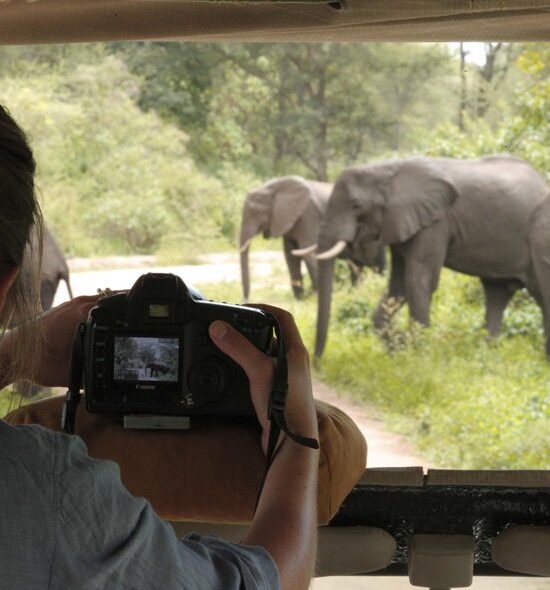
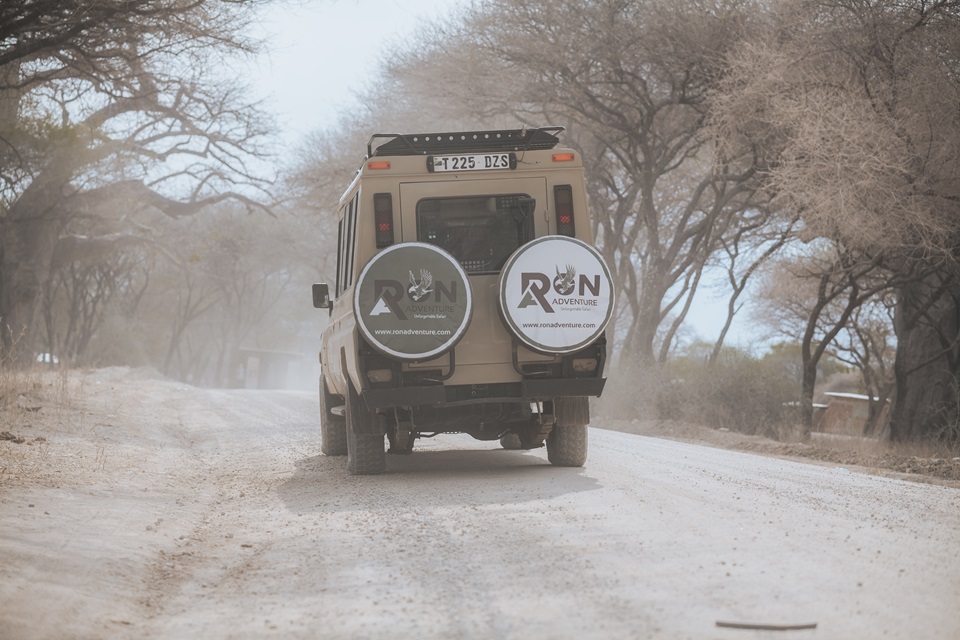
One of the most common questions tourists ask when planning a trip to Tanzania is:
Is Ndutu located in the Serengeti or Ngorongoro?
This question is especially important for visitors interested in the Great Wildebeest Migration calving season, Ndutu safaris, and Tanzania safari tours in February. Ndutu is unique because the answer is not as simple as choosing one park over the other.
This comprehensive guide explains where Ndutu is located, its relationship with Serengeti National Park and the Ngorongoro Conservation Area, and why it is considered one of Tanzania’s top safari destinations.
Table of contents
- 1. What Is Ndutu?
- 2. Where Is Ndutu Located?
- 3. Is Ndutu Part of Serengeti National Park?
- 4. Is Ndutu a Part of the Ngorongoro Conservation Area?
- 5. Why Ndutu Is Unique on a Tanzania Safari
- 6. Ndutu and the Great Wildebeest Migration
- 7. Best Time to Visit Ndutu
- 8. Wildlife Experiences in Ndutu
- 10. Ndutu Safari Accommodation Options
- 11. Why Choose Ndutu for a Tanzanian Safari?
- 12. Final Answer: Is Ndutu in Serengeti or Ngorongoro?
- 13. Frequently Asked Questions (FAQs):
- Planning a Ndutu Safari?

1. What Is Ndutu?
Ndutu, located in northern Tanzania, is renowned for its rich biodiversity and its crucial role in the Great Wildebeest Migration. This remarkable event takes place between January and March, during the calving season.
Ndutu is situated within the Ngorongoro Conservation Area, which forms the southernmost edge of the greater Serengeti ecosystem. Although the area is famous for its vast open plains and exceptional wildlife viewing, the Ndutu lakes, including Lake Ndutu and Lake Masek, are seasonal and accessible only at certain times of the year.
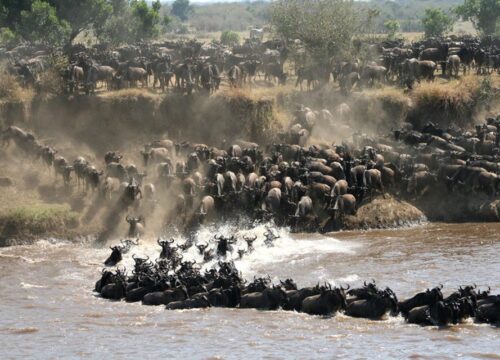
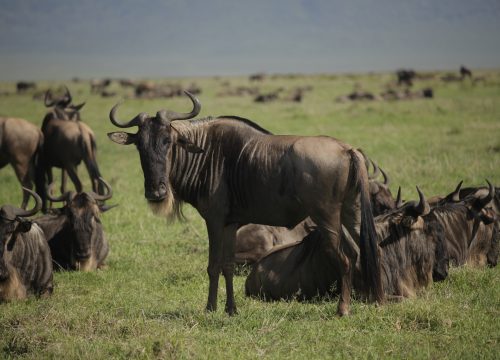
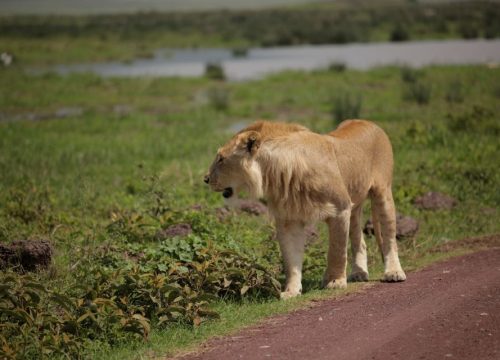
As the migration season approaches, hundreds of thousands of wildebeest and zebras gather in Ndutu to give birth. This concentration of prey attracts predators such as lions, cheetahs, and hyenas, creating dramatic and unforgettable wildlife encounters.
Ndutu is considered one of Tanzania’s best safari destinations for travelers seeking outstanding wildlife experiences, fewer crowds, and excellent photographic opportunities.
The Ndutu region is especially well known for:
- Wildebeest calving (January–March)
- Predator sightings (lions, cheetahs, leopards)
- Off-road game drives (where permitted)
Because of its location, many travelers are unsure whether Ndutu belongs to Serengeti National Park or the Ngorongoro Conservation Area.
2. Where Is Ndutu Located?
The unique transitional zone between the Ngorongoro Conservation Area (NCA) and Serengeti National Park is located in the southern Serengeti region of northern Tanzania, where Ndutu is situated. Because of this prime location, Ndutu is a vital wildlife area in East Africa.
Although it is sometimes referred to as the Southern Serengeti, Ndutu is actually located within the Ngorongoro Conservation Area rather than Serengeti National Park. As a natural wildlife corridor, the area allows animals to move freely between protected areas without encountering barriers or other obstructions.
- Geographic Position Explained Clearly
- Ndutu lies immediately south of Serengeti National Park, making it the first major stop for migratory herds moving from the central Serengeti.
- Administratively, Ndutu belongs to the Ngorongoro Conservation Area (NCA), which means park regulations, entry fees, and conservation management are governed by the Ngorongoro Authority.
- Ecologically, Ndutu is part of the greater Serengeti–Ngorongoro ecosystem, one of the largest and most intact wildlife ecosystems in the world.
- it forms part of the wider Serengeti–Ngorongoro ecosystem
This shared ecosystem is what allows millions of animals to move freely across park boundaries.

3. Is Ndutu Part of Serengeti National Park?
No, Ndutu is not officially within Serengeti National Park.
This is one of the most frequently misunderstood parts of organizing a Tanzania safari, though, particularly for tourists who are following the Great Wildebeest Migration.
The Reasons Why People Believe Ndutu Is Located in Serengeti:
Because Ndutu is under a separate administrative jurisdiction, yet behaves like an extension of the Serengeti from a wildlife and ecological standpoint, there is confusion.
Ndutu is located in one of the biggest and most significant wildlife ecosystems in Africa, the larger Serengeti ecosystem. This ecosystem consists of:
- The Serengeti National Park
- The Protected Area of Ngorongoro
- The Maswa Game Reserve
- Loliondo Area Under Game Control
The administrative limits, fences, and park borders are not recognized by animals. Because of this, the movement of animals between the Serengeti and Ndutu is unrestricted and occurs naturally year-round.
4. Is Ndutu a Part of the Ngorongoro Conservation Area?
Yes. The Ngorongoro Conservation Area (NCA) includes Ndutu.
In other words, this means:
- The Ngorongoro Conservation Area Authority oversees Ndutu.
- Fees for admission comply with Ngorongoro rules
- Off-road driving is permitted in certain locations
- It is allowed to co-exist culturally with Maasai communities.
The Ngorongoro Conservation Area is exceptional in that it permits the coexistence of wildlife protection, tourism, and human habitation.
5. Why Ndutu Is Unique on a Tanzania Safari
Ndutu provides a unique safari experience that differs from both the Ngorongoro Crater and Serengeti National Park. The reason why it is frequently seen by travelers seeking an authentic and unique Tanzania safari as a high point is as follows:
A flat, open plain that’s perfect for hunting predators
The vast, grassy plains of Ndutu are ideal for predators such as lions, cheetahs, and leopards. Dramatic wildlife encounters, such as stalking, chasing, and feeding, are frequently seen by visitors in clear sight.
less crowded than the center of the Serengeti
Compared to the center and north Serengeti, where there may be a lot of traffic during the busiest safari months, Ndutu experiences less traffic. Travelers get the impression that they are fully surrounded by the natural world, which makes for a more personal wildlife encounter.
Routes for a flexible game drive
Safari guides in certain areas of the Ngorongoro Conservation Area can drive off the main roads since Ndutu is a part of it. Because of this flexibility, there is a greater likelihood of spotting rare animals and finding secluded, untouched sites for observing and taking pictures.
Ideal for taking pictures
Ndutu is a photographer’s dream due to its level plains, wide horizons, and clear views. The stunning sunrise and sunset light in Ndutu are perfect for taking recognizable safari pictures since it spectacularly highlights animals and scenery.
The ideal spot for calving during the migration season
The calving season for the Great Wildebeest Migration, which takes place between January and March, is what makes Ndutu famous. Thousands of newborn wildebeest draw lions, cheetahs, hyenas, and other predators during this period, offering amazing opportunities for wildlife viewing.
High biodiversity outside the migration
Ndutu is home to a diverse range of wildlife, including elephants, giraffes, zebras, and many bird species, even during the non-migration season. The area’s ecological variety is further enhanced by its seasonal lakes, such as Lake Ndutu and Lake Masek, which draw flamingos and waterfowl.
An amazing, tranquil, and solitary safari adventure
Ndutu is frequently favored by travelers seeking tranquility, seclusion, and genuine safari experiences. Its unique blend of thrilling wildlife activities, expansive scenery, and fewer visitors results in a truly memorable experience that is both adventurous and exclusive.
Ndutu is frequently the highlight of a real, off-the-beaten-path Tanzania safari for travelers, providing an exceptional blend of wildlife abundance, natural beauty, and freedom of exploration that is unmatched elsewhere in East Africa.

6. Ndutu and the Great Wildebeest Migration
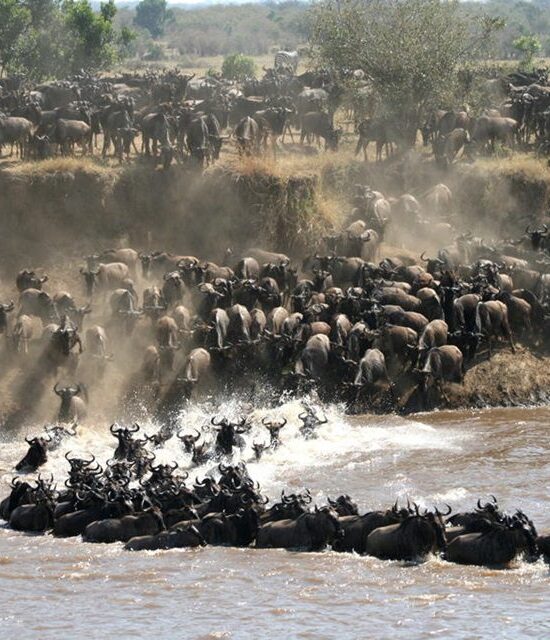
Ndutu is one of the most important destinations for the Great Wildebeest Migration in Tanzania. Each year, thousands of wildebeest, along with zebras and other herbivores, move across the Serengeti ecosystem following seasonal rains and fresh grazing areas. Ndutu plays a critical role in this epic wildlife event, making it a top choice for travelers seeking dramatic safari experiences.
Why the Migration Comes to Ndutu
Several ecological and geographical factors make Ndutu perfect for the migration and calving season:
Short Grass Plains Rich in Nutrients
After the rainy season, Ndutu’s plains grow fresh, short grass, which is highly nutritious and ideal for grazing herbivores. This abundant food source attracts wildebeest herds from central and southern Serengeti.
Ideal Conditions for Wildebeest Calving
Ndutu’s open plains provide ample space and visibility, allowing wildebeest to safely give birth while keeping an eye out for predators. The terrain and grass height are perfect for newborn calves to hide and quickly gain strength.
Abundant Water from Seasonal Lakes
Ndutu is home to several seasonal lakes, including Lake Ndutu and Lake Masek. These lakes provide reliable water sources during the dry season, supporting not only wildebeest and zebras but also the predators that follow them.
Safer Environment for Newborn Calves
The combination of open plains, abundant grass, and water sources creates a relatively safe environment for calves, increasing their survival rates during the critical first weeks of life.
The best time to visit Ndutu largely depends on what you want to experience during your safari—whether it’s witnessing the Great Wildebeest Migration calving season, seeing predator action, or enjoying peaceful game drives with fewer crowds. Ndutu’s wildlife activity is highly seasonal, which makes timing your visit critical for a memorable safari.
7. Best Time to Visit Ndutu
January to March – Peak Season (Calving Season)
This is considered the most exciting time to visit Ndutu. During these months, the plains are alive with activity, making it perfect for wildlife enthusiasts, photographers, and honeymoon travelers.
Key highlights during this season:
- Wildebeest Calving: Thousands of newborn wildebeest calves appear on the Ndutu plains, creating one of the most spectacular wildlife events in Africa.
- High Predator Activity: Lions, cheetahs, and hyenas are highly active, hunting the vulnerable newborns, which offers dramatic and unique wildlife viewing opportunities.
- Perfect Photography Conditions: The short grasses and open plains make it easier to spot animals and capture stunning photos of predators and migration herds.
- Luxury and Honeymoon Safaris: Many lodges and tented camps operate at their premium level during this period, offering top-class service and romantic safari experiences.
- Tip for travelers: February is often considered the best month to see newborn wildebeest calves and witness predator-prey interactions at their peak.
- April to May – Green Season (Fewer Crowds)
Although this is slightly off-peak, visiting Ndutu during April and May has its own advantages:
Lush Green Landscapes: Rainfall transforms the plains into vibrant green scenery, perfect for photography and enjoying the natural beauty.
Fewer Tourists: You’ll encounter fewer safari vehicles, giving a more private and tranquil experience.
Occasional Rain: Short rain showers are common, so game drives may be slightly wet, but wildlife is still abundant and often easier to track in the lush surroundings.
Tip for travelers: This period is ideal for budget-conscious safari travelers, nature photographers, and those who enjoy a quieter safari experience.
- June to December – Dry Season & Migration Movement
Although not included in the original section, it’s useful for clients to understand the rest of the year:
- June to October: Animals begin moving north toward the central and western Serengeti. Ndutu becomes less crowded, but wildlife viewing can still be rewarding.
- November to December: Short rains begin, grass grows, and some migration herds return to Ndutu from central Serengeti. Wildlife is plentiful, though predator activity is lower compared to the calving season.
Summary
| Month | Highlights | Best For |
|---|---|---|
| January – March | Calving season, high predator activity, newborn wildebeest | Budget travelers, nature lovers, and private safari experience |
| April – May | Green season, fewer tourists, lush landscapes | During the dry season, animals move north |
| June – October | During the dry season, animals move north | Wildlife tracking, peaceful safari |
| November – December | Short rains, returning herds | Off-peak safari, birdwatching, photography |
8. Wildlife Experiences in Ndutu
Due to its combination of open plains, woods, and seasonal lakes, Ndutu provides some of the best wildlife viewing in Tanzania. Thousands of animals congregate on the region’s nutritious pastures during the calving season, making it a particularly well-known time of year.
You may anticipate running across:
- Big lion prides that are either lounging on rocky kopjes or patrolling the grasslands
- The flat environment of the open plains, where cheetahs hunt, allows for clear sight.
- Leopards are frequently spotted lounging in trees in woods and acacia regions.
- Bat-eared foxes, golden and black-backed jackals, and spotted hyenas are particularly active in the early morning and late afternoon.
- Large herds of giraffes, elephants, zebras, wildebeest, and buffalo moving across the savanna
- Between January and March, during the calving season, Ndutu serves as a nursery for newborn wildebeest and zebras, attracting a large number of predators and offering remarkable wildlife encounters in a natural environment.
With peak wildlife activity occurring throughout the green season, Ndutu offers an excellent and all-encompassing safari experience all year round, whether you’re interested in big cats, huge herbivores, or birdlife.
10. Ndutu Safari Accommodation Options
Ndutu offers a wide range of high-quality safari accommodations to suit different preferences and budgets. Properties are designed to blend comfort with an authentic wilderness experience while keeping you close to the wildlife action.
- Luxury tented camps
Spacious en-suite tents with comfortable beds, hot showers, private verandas, fine dining, and personalized service. Many include lounge areas, campfires, and stunning views over the plains. - Seasonal migration camps
Mobile camps that move with the Great Migration, placing you right where the herds are located. These camps provide an intimate bush experience with comfortable tents, eco-friendly facilities, and knowledgeable guides. - Mid-range safari lodges
Permanent lodges offering solid comfort, ensuite rooms, good food, and power throughout the day. Ideal for families and travelers seeking value without sacrificing quality. - Exclusive photographic camps
Small, specialized camps designed for photographers, offering private vehicles, experienced photographic guides, charging stations, and excellent positioning near key wildlife areas.
Most accommodations are strategically located around Lake Ndutu and the surrounding woodlands and open plains. Their position near the migration routes reduces travel time, increases your chances of witnessing calving events and predator action, and allows for early morning and late afternoon game drives with minimal disturbance.
Many camps also offer:
- Sundowners and bush dinners
- Lounge and viewing decks
- Wi-Fi in common areas
- Cultural visits and walking safaris (where permitted)
This combination makes Ndutu one of the best places in Africa for close-up wildlife encounters and unforgettable safari experiences.

11. Why Choose Ndutu for a Tanzanian Safari?
Selecting Ndutu implies that:
- Witnessing the peak of the Great Migration
The peak of the calving season, when hundreds of thousands of wildebeest congregate to give birth, is in Ndutu. This draws predators like lions and cheetahs, resulting in amazing chances to watch wildlife.
- Having more flexibility and fewer crowds
Ndutu is less congested than the central Serengeti, which means you can see animals for longer and have a more leisurely safari. Driving off-road is also allowed in many places, which improves animal viewing.
- Witnessing pure, unaltered wildlife behavior
Ndutu provides genuine, unedited nature moments, from newborn calves taking their first steps to predators on the hunt, that many visitors consider the highlight of their safari.
- Ideal circumstances for taking pictures and movies
Ndutu is among the best locations in Africa for photographers of all skill levels, thanks to its open plains, gentle light, stunning sky, and diverse flora and fauna.
Ndutu is excellent for:
- Honeymoon safaris provide a tranquil setting, breathtaking sunsets, and unique wildlife encounters.
- Wildlife photographers: intimate action, huge herds, and predator interactions, lovers of nature – breathtaking scenery, birds, lakes, and limitless plains. Safaris with a focus on migration are the ideal way to see the calving season and massive wildebeest herds.
12. Final Answer: Is Ndutu in Serengeti or Ngorongoro?
Ndutu is officially part of the Ngorongoro Conservation Area (NCA), not Serengeti National Park. Administratively, it is managed by the Ngorongoro Conservation Area Authority.
However, Ndutu is unique because of its location and wildlife connections:
- It lies at the southern edge of the Serengeti ecosystem
- Animals move freely between Serengeti National Park and Ndutu with no physical borders
- It forms one of the most important areas during the Great Wildebeest Migration
- Its rich grass plains and seasonal lakes (Lake Ndutu & Lake Masek) attract massive concentrations of wildlife
- During calving season (January–March), over half a million calves are born here, making it the heart of migration activity
Because of this close ecological link, Ndutu is commonly called the “Southern Serengeti Plains, even though it legally belongs to the Ngorongoro Conservation Area.
13. Frequently Asked Questions (FAQs):
- Is Ndutu in Serengeti or Ngorongoro?
Ndutu is officially located within the Ngorongoro Conservation Area, not Serengeti National Park. However, it lies inside the greater Serengeti ecosystem, which allows wildlife to move freely between Ndutu and Serengeti.
- Why do people think Ndutu is part of Serengeti?
Many travelers think Ndutu is in the Serengeti because:
- It is part of the Serengeti ecosystem
- The Great Wildebeest Migration moves between the Serengeti and Ndutu
- Safari itineraries often combine the Serengeti and Ndutu
- Ndutu is commonly referred to as the Southern Serengeti
- What is Ndutu famous for?
Ndutu is famous for the Great Wildebeest Migration calving season, which takes place between January and March. During this time, hundreds of thousands of wildebeest give birth, attracting predators and creating intense wildlife action.
- When is the best time to visit Ndutu?
The best time to visit Ndutu is from January to March, especially February, when calving peaks. This period offers excellent predator sightings, fewer crowds, and ideal photography conditions.
- Can you see the Great Migration in Ndutu?
Yes. Ndutu is one of the most important migration destinations in Tanzania. During the calving season, massive herds of wildebeest and zebras gather on Ndutu’s open plains.
- Is off-road driving allowed in Ndutu?
Yes. Unlike Serengeti National Park, off-road driving is permitted in Ndutu in designated areas under Ngorongoro Conservation Area regulations, making wildlife viewing more flexible.
- How is Ndutu different from Serengeti National Park?
Ndutu differs from Serengeti in several ways:
- It is under the Ngorongoro Conservation Area management
- Off-road driving is allowed
- It is seasonal and migration-focused
- It has fewer crowds during peak months
- What wildlife can be seen in Ndutu?
Wildlife in Ndutu includes:
- Wildebeest and zebras
- Lions, cheetahs, leopards
- Hyenas and jackals
- Elephants, giraffes, buffalo
- Rich birdlife around Lake Ndutu and Lake Masek
- Is Ndutu good for a luxury safari?
Yes. Ndutu is excellent for luxury Tanzania safaris, especially during the migration season. The area offers high-end tented camps, exclusive locations, and outstanding wildlife viewing close to camp.
- Is Ndutu suitable for honeymoon safaris?
Absolutely. Ndutu is one of the best honeymoon safari destinations in Tanzania, offering privacy, dramatic wildlife experiences, romantic landscapes, and luxury seasonal camps.
- Do you need a Serengeti permit to visit Ndutu?
No. Ndutu falls under Ngorongoro Conservation Area fees, not Serengeti National Park entry fees. Your safari operator will arrange the correct permits.
- Can Ndutu be combined with Serengeti and Ngorongoro Crater?
Yes. Ndutu is commonly combined with:
- Central Serengeti
- Ngorongoro Crater
- Lake Manyara or Tarangire
This creates a well-rounded Tanzania safari itinerary.
- Is Ndutu worth visiting compared to Serengeti?
Yes, especially during the calving season. Ndutu offers:
- Unique migration behavior
- Fewer vehicles
- More flexible game drives
- Exceptional predator action
- How long should I stay in Ndutu?
Most travelers spend 2 to 4 nights in Ndutu to fully experience the migration, predator sightings, and relaxed safari pace.
Planning a Ndutu Safari?
A well-planned Ndutu safari offers one of the most rewarding wildlife experiences in Africa. Understanding where Ndutu is located helps travelers choose the best itinerary, season, and accommodation for an unforgettable Tanzania safari.

Tarangire National Park Safari
6 Day Tanzania Safari Itinerary
Top 10 Safari Mistakes to Avoid in Tanzania
Central Serengeti Safari Guide – Wildlife, Best Time to Visit & Travel Tips
Tanzania Wildebeest Migration – The Ultimate Guide to Africa’s Greatest Wildlife Journey
Ron Adventure Tour Company | Tanzania Safari & Kilimanjaro Experts
Mount Kilimanjaro Climbing Routes
Tanzania Safari 2026- 2027: Witness the Incredible Wildlife and Natural Beauty of Tanzania
Mount Kilimanjaro – Complete Guide for Climbers and Safari Travelers
Ngorongoro Crater: Complete Travel Guide
Is Ndutu in Serengeti or Ngorongoro? A complete Guide
How Much Does a Serengeti Safari Cost? (Complete Guide)
Best Time to Visit Serengeti for the Great Migration
Why Tanzania Is the Best African Safari Destination
Is Tanzania Safe to Visit After the 2025 Election?
Tarangire National Park Safari
6 Day Tanzania Safari Itinerary
Arusha Travel Guide