How to Choose the Best Tanzania Safari Company (And Avoid Scams)
Introduction
Planning a safari in Tanzania is exciting, but choosing the right safari company can be the difference between a smooth, unforgettable adventure and a stressful, disappointing experience. Tanzania is home to world-class destinations like Serengeti, Ngorongoro Crater, Tarangire, and Zanzibar, and hundreds of tour operators compete for attention online. Unfortunately, not all of them are professional or trustworthy.
This guide explains how to evaluate safari companies properly, what questions to ask, what red flags to avoid, and how to protect your money and your experience.
Table of contents
- How to Choose the Best Tanzania Safari Company (And Avoid Scams)
- Introduction
- Why Choosing the Right Safari Company in Tanzania Is Crucial
- Verify Legal Registration and Licensing of Your Tanzania Safari Company
- Read Independent Reviews and Ratings for Tanzania Safari Companies
- Assess Communication and Transparency When Booking a Safari
- Understanding Safari Pricing: What’s Included and What to Expect
- How to Evaluate Safari Guides and Vehicles for an Unforgettable Tanzania Safari
- How to Evaluate Safari Itineraries for a Smooth Tanzania Safari
- Additional Tips for Evaluating Itineraries
- How to Spot Common Safari Scams in Tanzania
- Why Choosing a Local Tanzania Safari Operator Elevates Your Experience
- Essential Tips Before Booking Your Tanzania Safari
- Final Thoughts
Why Choosing the Right Safari Company in Tanzania Is Crucial
Embarking on a Tanzania safari is more than booking a trip, it’s a once-in-a-lifetime adventure that requires careful planning and expert guidance. Selecting the right safari company ensures your journey is safe, smooth, and unforgettable, covering every detail from the moment you arrive until your departure.
A professional safari operator takes care of every aspect of your safari, including:
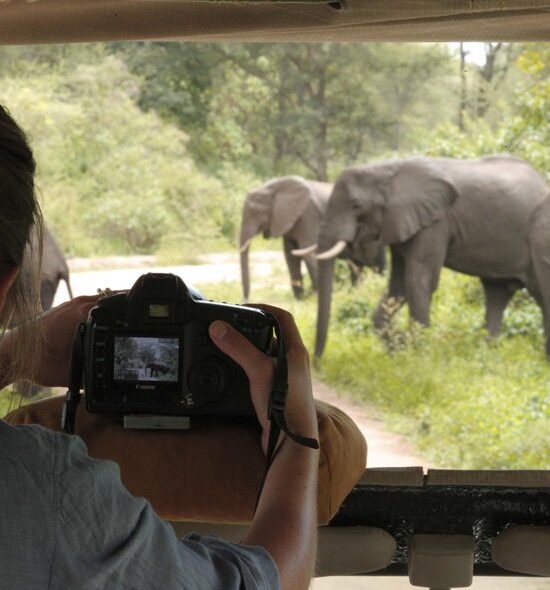
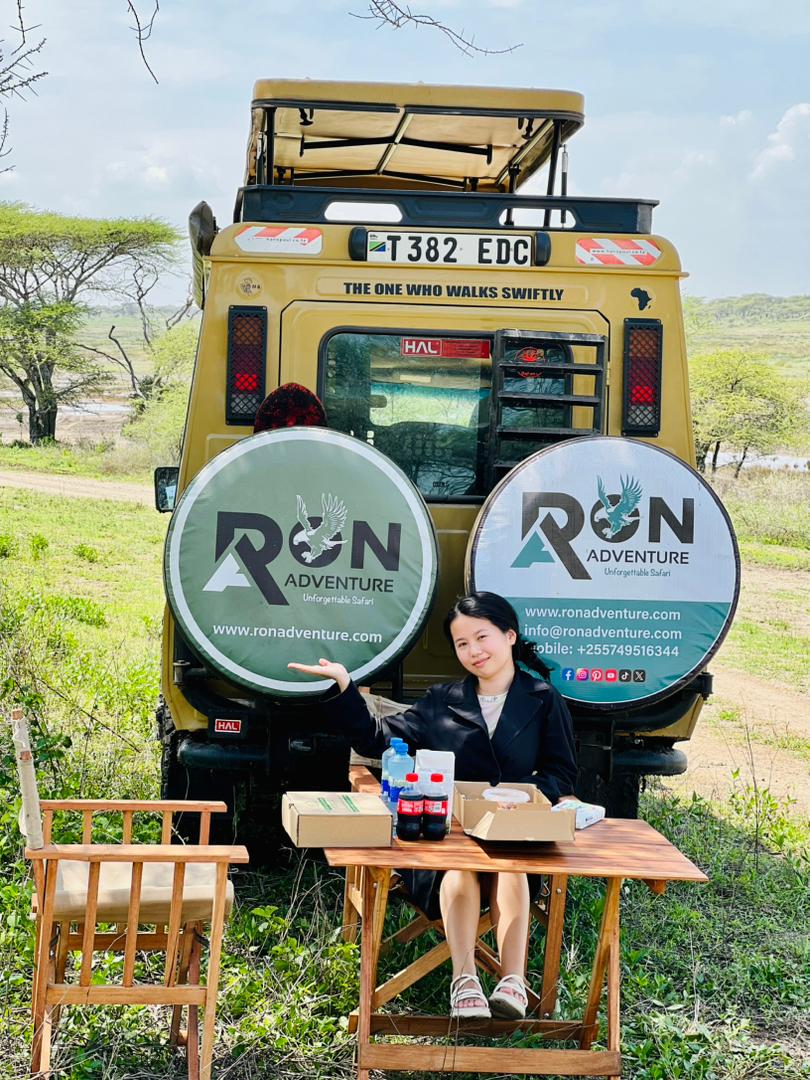
- Reliable transport logistics – Traveling between iconic parks like Arusha, Tarangire, Serengeti, and Ngorongoro involves long distances. Top safari companies provide well-maintained 4×4 vehicles equipped with pop-up roofs, radios, spare tires, and experienced drivers familiar with Tanzania’s terrain.
- Expert wildlife guiding – A safari guide is more than just a driver. Licensed guides bring wildlife encounters to life, using in-depth knowledge of animal behavior, tracking techniques, park rules, and conservation principles. The best companies invest in professional guides who make every game drive educational and thrilling.
- Park permits and legal access – Every national park and conservation area in Tanzania requires official entry permits. Reputable safari companies handle all permits in advance, ensuring hassle-free access. Without proper permits, visitors risk being turned away at park entrances.
- Accommodation planning – Safaris involve overnight stays in lodges, tented camps, or hotels. A trusted operator selects verified, safe, and comfortable accommodations that match your preferences and budget, avoiding overcrowded or unreliable properties.
- Optimized itinerary and timing – Tanzania is vast, and driving between parks can take hours. Experienced safari companies craft realistic itineraries, giving you ample time for wildlife viewing while avoiding rushed schedules.
- Emergency support – Unexpected events like flat tires, illness, flight delays, or bad weather can occur. Professional safari operators have systems in place to respond quickly, ensuring safety and minimizing disruptions.
- Transparent pricing and agreements – A reputable safari company provides a clear breakdown of costs, including what is covered and what is not, with no hidden charges. Every detail is confirmed in writing for peace of mind.
Choosing the wrong safari company can lead to serious consequences, including missed wildlife experiences, unsafe transport, subpar accommodations, Missed Park entries, Stressful travel experiences, and financial loss. For an unforgettable Tanzania wildlife safari, partnering with a trusted, professional operator is essential.
In short, choosing the right Tanzania safari company protects your investment and guarantees that your safari is safe, well-organized, and unforgettable.
A poor operator may cut corners on safety, rush your itinerary, or disappear after payment.

Verify Legal Registration and Licensing of Your Tanzania Safari Company
Before booking your Tanzania safari, one of the most crucial steps is ensuring the safari company is legally registered and properly licensed. Working with a licensed operator not only reflects professionalism but also guarantees compliance with Tanzanian regulations, accountability, and a safe, seamless safari adventure.
Essential Legal Credentials for Tanzanian Safari Operators
Every reputable safari company in Tanzania should have official recognition from key authorities:
- BRELA (Business Registration and Licensing Agency): Confirms the company is legally incorporated and recognized as a legitimate business. This helps avoid dealing with informal or unregulated operators.
- Ministry of Natural Resources and Tourism: Authorizes companies to conduct tours in Tanzania’s national parks and protected areas, ensuring that permits, park fees, and wildlife regulations are properly managed.
- TATO (Tanzania Association of Tour Operators – optional but highly recommended): Membership demonstrates adherence to industry standards, ethical practices, and ongoing professional development.
What to Look for in a Professional Safari Operator
A trustworthy company will:
- Display registration numbers and licenses prominently on their website, brochures, or office. Transparency in credentials reflects reliability.
- Provide copies of their licenses, TATO membership, or park operator permits upon request without hesitation.
- Maintain a physical office in Tanzania. While digital communication is convenient, a local office ensures they can handle emergencies, last-minute changes, or provide in-person support.
Extra Tips for Verifying Authenticity
- Ensure the company’s legal name on licenses matches the name on invoices, booking agreements, and websites. Any mismatch could indicate fraud.
- Confirm the validity of the licenses; some operators may display expired or fake certificates. You can verify directly with BRELA or the Ministry of Tourism.
- If possible, visiting a local office adds an extra layer of confidence in the company’s legitimacy.
- Check that both guides and safari vehicles are licensed, as Tanzanian law requires each vehicle and guide to meet specific safety and operational standards.

Warning Signs of an Unreliable Operator
- Hesitation or refusal to provide registration and licensing documents.
- Only operating via social media pages or WhatsApp numbers with no formal business address.
- Vague or evasive answers when questioned about permits, licenses, or legal compliance.
Ensuring proper registration and licensing is the foundation of a safe and professional safari experience. Taking the time to verify these details protects your investment and helps guarantee that your Tanzania safari is handled by a responsible, trustworthy operator.
Read Independent Reviews and Ratings for Tanzania Safari Companies
When planning a Tanzania safari, one of the most effective ways to assess a safari operator is by consulting independent reviews. Relying solely on testimonials from a company’s website can be misleading, as they often highlight only positive feedback. Third-party platforms provide unbiased insights from travelers who have actually experienced the services.
Top Platforms to Check Safari Reviews
- Google Reviews: Look for verified traveler feedback, star ratings, and uploaded photos. Detailed reviews are more useful than short praise.
- TripAdvisor: One of the largest travel review sites, allowing you to filter feedback by traveler type (solo, family, or group) and date.
- SafariBookings: A dedicated platform for African safari operators, with ratings for guides, vehicles, accommodations, and overall safari experiences.
- Trustpilot: Although less common for safari companies, it can reveal customer service trends and potential red flags.
What to Look for in Reviews
- Specific Experiences: Reviews describing guides, lodges, itineraries, and wildlife sightings are more reliable than generic comments like “Amazing safari.”
- Traveler Photos: Real images from clients give a true sense of vehicle quality, accommodations, and wildlife encounters, far more accurate than stock photos.
- Consistency Over Time: Steady positive feedback over months or years indicates dependable service. A short burst of reviews may not reflect long-term reliability.
- Company Responses: Reputable operators respond professionally to both praise and criticism, demonstrating accountability and customer focus.
Red Flags to Watch Out For
- Perfect Reviews Only: An all-five-star rating with vague comments can suggest fake reviews. Genuine travel experiences often include constructive feedback.
- Repetitive Comments: Identical phrasing across multiple reviews is a strong warning sign.
- No Online Presence: Companies without reviews on trusted platforms or a minimal digital presence could be risky, especially if they are relatively unknown.
Tips for Evaluating Reviews
- Start with Lower Ratings: Critical reviews often highlight real limitations or recurring issues.
- Cross-Check Platforms: A company may have glowing TripAdvisor reviews but reveal gaps on SafariBookings or Google Reviews.
- Check Reviewer Profiles: Frequent reviewers are often more trustworthy than one-time commenters.
By carefully analyzing independent reviews, you gain a clearer understanding of a safari company’s reliability, quality of guides and vehicles, customer service, and ability to deliver the experience promised. This step is crucial to avoid inexperienced, unreliable, or fraudulent operators.

Assess Communication and Transparency When Booking a Safari
Effective communication is one of the clearest indicators of a professional and trustworthy safari company. How a company interacts with you before and during the booking process reflects their commitment to your safety, satisfaction, and overall travel experience. Companies that are transparent, responsive, and informative typically offer smoother, stress-free Tanzania safari experiences, while poor communication can signal hidden costs, disorganization, or even potential scams.
Key Traits of Professional Safari Companies
Clear and Understandable: Every email, message, or phone call should be easy to follow. Avoid companies that rely on vague phrases or technical jargon that could confuse travelers.
Timely Responses: A reliable operator responds promptly—ideally within 24–48 hours—and acknowledges inquiries, even if a detailed answer takes more time.
Comprehensive Information: Professional companies provide full details on itinerary options, pricing, inclusions, accommodations, safety measures, and safari logistics.
No Pressure Sales: They allow you to compare options, review packages, and ask questions without pushing for immediate payment or commitment.
Signs of Effective Communication
- Tailored Approach: They ask about your travel goals, budget, and preferred dates to create a customized Tanzania safari experience rather than offering generic, one-size-fits-all packages.
- Multiple Options: Whether it’s accommodations, safari routes, or price levels, a quality operator provides choices that match your needs.
- Transparent Inclusions and Exclusions: You should know exactly what is included in your package—park fees, meals, guides, transport—and what costs are extra.
- Written Confirmations: Follow-ups, booking agreements, and invoices are provided to ensure clarity and accountability.
- Proactive Problem-Solving: Reputable companies alert you to seasonal changes, park closures, road conditions, or wildlife availability and offer suitable alternatives in advance.
Red Flags of Poor Communication
- Pressure to Pay Quickly: Companies that rush you for payment without providing clear details may be unreliable.
- Avoiding Details: If costs, vehicle standards, or guide qualifications aren’t clearly explained, important information could be missing.
- Delayed or Dismissive Responses: Ignoring questions or giving incomplete answers is a warning sign.
- Inconsistent Information: Conflicting details about itineraries, fees, or accommodations suggest disorganization or dishonesty.
Practical Tips for Travelers
- Keep a record of all communications, including emails, WhatsApp messages, and agreements. This can be crucial if disputes arise.
- Always request a written itinerary or proposal, even if initial discussions occur over the phone. Reputable companies will provide this without hesitation.
- Observe the tone and professionalism in interactions—polite, patient, and clear communication often reflects the service you’ll receive during the safari.
- Use communication as a filter: if a company fails to communicate effectively, it’s often safer to move on and avoid a potentially negative experience.
By carefully evaluating how a safari company communicates, you can avoid scams, gain confidence in your choice, and ensure that your Tanzania safari is organized, enjoyable, and memorable.

Understanding Safari Pricing: What’s Included and What to Expect
Choosing the right Tanzania safari company starts with a clear understanding of their pricing. A trustworthy operator provides a transparent breakdown of what’s included in your package and what isn’t, helping you avoid unexpected costs, compare options fairly, and ensure a smooth, worry-free safari adventure.
What a Complete Safari Package Typically Includes
Park entry fees and permits: Every Tanzanian national park or conservation area charges entry fees. Popular parks like Serengeti and Ngorongoro Crater may have multiple charges for vehicles, guides, and conservation efforts. Reputable safari companies include these fees in your overall package cost.
Professional guides and drivers: Licensed and experienced guides are essential—they not only drive and navigate but also enhance your safari experience with wildlife spotting, storytelling, and ensuring your safety. Most packages include both guide fees and fuel for the safari vehicle.
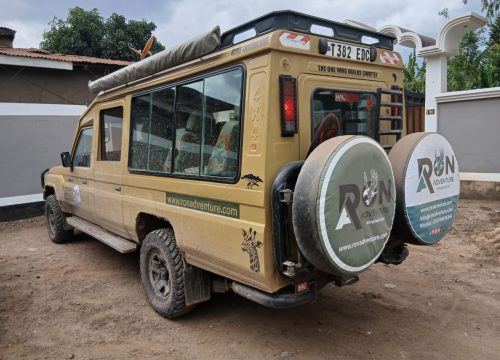
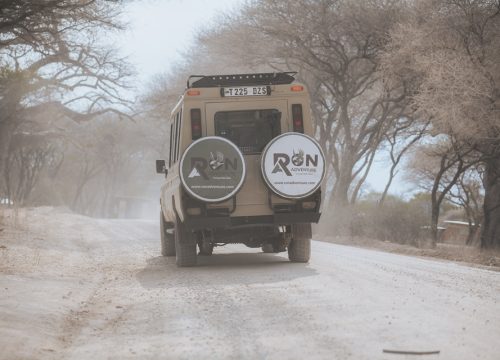
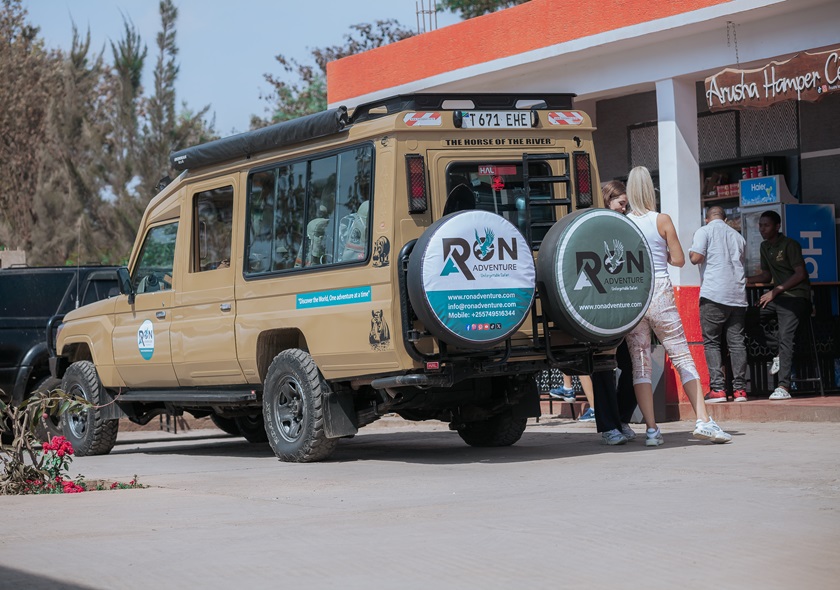
Safari vehicles: Reliable 4×4 vehicles equipped with pop-up roofs for game viewing, safety features, and proper maintenance are crucial. Top safari operators cover the cost of the vehicle, maintenance, and fuel in the package.
Accommodation: Overnight stays are part of your safari and can range from luxury lodges and tented camps to budget-friendly options. The quality, location, and amenities of accommodations are included in your package.
Meals and beverages: Many packages provide full or partial board meals during your safari. This usually covers standard meals, while drinks, special requests, or extras might be additional. Bottled drinking water is often included during game drives for comfort and safety.
Transfers: This can include airport pick-ups, drop-offs, and transfers between different parks or lodges.
Costs Often Not Included
- Flights: International or domestic flights are usually not part of the safari package unless explicitly stated.
- Tips and gratuities: It’s customary to tip guides, drivers, lodge staff, and porters; this cost is not included in the quoted price.
- Visas: Tanzanian visa fees are typically paid separately online or on arrival.
- Travel insurance: Essential for medical emergencies, trip cancellations, and evacuations, but not included in your package.
Red Flags and Hidden Charges to Watch For
A safari price that seems too low may indicate potential problems, such as:
- Poor-quality vehicles are prone to breakdowns or discomfort during long drives.
- Inexperienced or unlicensed guides may miss wildlife or compromise safety.
- Overcrowded or low-quality accommodations far from park entrances increase travel time.
- Hidden charges like park fees, fuel surcharges, or service fees added later, which can inflate your budget.
Tips for Evaluating a Safari Quote
- Request a detailed cost breakdown: Avoid vague totals and ensure you know exactly what is included.
- Compare multiple operators: A slightly higher price is often worth a smoother, safer, and more enjoyable safari experience.
- Clarify optional activities: Extras like hot air balloon rides, night drives, or cultural visits should be specified so you can budget properly.
- Check cancellation and refund policies: Life happens, so knowing your options protects your investment.
By understanding the full scope of safari pricing, you can protect your budget, avoid surprises, and focus on creating unforgettable experiences rather than chasing the cheapest deal.

How to Evaluate Safari Guides and Vehicles for an Unforgettable Tanzania Safari
The success of your Tanzania safari heavily depends on the quality of your guide and the reliability of your safari vehicle. An expert guide can transform a simple wildlife tour into a rich, educational adventure, while a well-maintained 4×4 ensures comfort, safety, and access to the best game-viewing spots. Here’s what to consider when selecting a guide and vehicle:
Choosing the Right Safari Guide
- Licensed and certified: Confirm that your guide holds a valid Tanzania Tourist Guide license. Licensed guides have received formal training in wildlife behavior, safety protocols, and local cultural knowledge.
- Experience and expertise: Inquire about the guide’s years of experience leading safaris. Seasoned guides understand animal behavior, migration patterns, and the optimal locations for wildlife sightings.
- Wildlife knowledge and interpretation: Top guides can identify animals, explain their behaviors, highlight unique flora, and share insights about ecosystems. Ask for examples of memorable sightings or natural history anecdotes.
- Language proficiency: Ensure the guide communicates fluently in your preferred language. Clear explanations enhance your learning and overall safari enjoyment.
- Safety skills: Guides should be trained in first aid, emergency procedures, and safe driving in wildlife areas—essential in remote parks like Serengeti or Ndutu.
- Customer-focused service: Professional guides are patient, approachable, and adapt the safari to your interests, whether photography, wildlife observation, or cultural experiences.
Selecting the Best Safari Vehicle
- Vehicle type and suitability: Reliable companies typically use 4×4 vehicles such as Toyota Land Cruisers or Land Rovers, which handle rough terrain and provide excellent visibility for game drives.
- Pop-up roofs for wildlife viewing: These roofs allow unobstructed photography and enhanced viewing opportunities. Check that all vehicles in the fleet feature this design.
- Maintenance and dependability: Vehicles should be regularly serviced and fully functional. Breakdowns in remote areas can disrupt your safari. Ask about maintenance schedules and inspections.
- Safety features: Ensure vehicles have working seat belts, spare tires, fire extinguishers, and radios for emergency communication.
- Comfort and amenities: Many safari vehicles include water storage, mini-fridges, and adequate luggage space. Comfortable seating is crucial for long drives across parks like Tarangire, Serengeti, or Ngorongoro.
- Capacity and customization: Choose a vehicle that comfortably fits your group. Some companies provide private vehicles for families or couples, which allows for more flexible game drives.
Extra Tips for Safari Planning
- Request photos or specifications of the actual vehicles you’ll use.
- Ask for your guide’s name and experience before finalizing your booking.
- Photographers should inform the company about camera equipment; some vehicles accommodate tripods or additional gear.
- Confirm that game drives can be tailored based on wildlife sightings rather than fixed schedules.
By selecting trained guides and well-equipped safari vehicles, you ensure a safe, comfortable, and unforgettable Tanzania safari. Prioritize professionalism and experience over cost to maximize the value and enjoyment of your adventure.

How to Evaluate Safari Itineraries for a Smooth Tanzania Safari
A well-structured Tanzania safari isn’t about visiting as many parks as possible—it’s about balancing wildlife encounters, travel time, comfort, and safety. A thoughtfully planned itinerary ensures you experience the best of each destination without feeling rushed or fatigued.
What Makes a Great Safari Itinerary
- Tailored to Your Interests: The itinerary should reflect your goals—whether photographing wildlife, witnessing the Great Migration, exploring scenic landscapes, or including cultural experiences. Professional safari operators discuss your preferences and recommend the best parks, seasons, and times to visit.
- Realistic Travel Times: Tanzania is vast, and driving between parks like Serengeti, Ngorongoro, and Tarangire can take several hours on unpaved roads. A responsible operator plans feasible routes that avoid long, exhausting drives in a single day.
- Adequate Wildlife Viewing Time: Animals are most active during early morning and late afternoon game drives. Quality itineraries allocate 1–3 full days in major parks, increasing your chances of spotting key species and enjoying immersive wildlife experiences.
- Rest and Recharge Periods: Safari days often start before sunrise and extend into the evening. Proper itineraries include breaks for meals, leisure, or short rests between parks to keep travelers energized and engaged.
Warning Signs of Poor Itinerary Planning
- Overpacked Schedules: Visiting 4–5 parks in 2–3 days is unrealistic and leads to rushed drives and missed wildlife encounters.
- No Downtime: Back-to-back game drives or long drives without rest can quickly become exhausting.
- Impractical Routes: Some operators promise distant park visits without accounting for road conditions, seasonal closures, or travel delays, compromising your safari experience.
Example of Unrealistic Planning
An itinerary that claims:
“Visit Serengeti, Ngorongoro, and Tarangire in just two days.”
…is impractical because:
- Travel between parks alone takes several hours.
- Wildlife viewing requires both morning and evening game drives.
- There is insufficient time to rest, enjoy meals, or fully experience each park.
Additional Tips for Evaluating Itineraries
- Morning and Afternoon Drives: Ensure the itinerary includes both early and late game drives in major parks for the best wildlife encounters.
- Seasonal Awareness: Check whether road conditions or seasonal closures affect parks like Serengeti or Tarangire.
- Optional Experiences: Extras such as hot-air balloon safaris, Maasai village visits, or night drives should complement, not disrupt, the main wildlife itinerary.
- Built-in Flexibility: Wildlife sightings are unpredictable. The best safari itineraries allow adjustments based on animal activity, weather, or other unforeseen circumstances.
By carefully reviewing itinerary design, you guarantee a well-paced, comfortable Tanzania safari that maximizes wildlife viewing while avoiding fatigue and logistical headaches.

How to Spot Common Safari Scams in Tanzania
Tanzania is home to many trustworthy safari operators, but unfortunately, some unscrupulous companies target travelers, especially those booking online without thorough verification. Knowing the warning signs can help you avoid losing money, missing out on experiences, or having your dream safari ruined.
Red Flags and Common Safari Scams
- Fake websites mimicking real companies: Scammers often create websites that look strikingly similar to legitimate safari operators, even using real photos and testimonials. Always double-check the website domain and cross-reference contact details on trusted platforms.
- No physical office or vague contact information: Legitimate Tanzanian safari companies have a registered office. Be cautious of operators that only provide a P.O. Box, a social media page, or a vague location.
- Only WhatsApp or social media communication: While messaging apps are convenient, companies that refuse email or phone communication may be hiding something. Reputable safari operators offer multiple contact channels.
- Requests for full payment upfront: Avoid paying 100% before receiving a written itinerary or contract. Professional safari companies typically request a deposit, with the balance due closer to departure.
- No invoice, booking confirmation, or written agreement: A formal invoice or booking contract protects both you and the operator. Lack of documentation is a serious warning sign.
- Unusually low prices: Extremely cheap safaris may cut corners on vehicles, accommodations, guides, or park permits. Remember, quality Tanzania safaris require investment in safety, professional guides, and well-maintained equipment.
Traveler Tips for Avoiding Safari Scams
- Check reviews on multiple platforms: Cross-check a company’s website claims with TripAdvisor, SafariBookings, Google Reviews, and social media. Look for consistency in traveler experiences.
- Request references: Ask for past client testimonials or detailed feedback via email. Legitimate companies are happy to provide references.
- Verify registration: Confirm the operator’s membership with TATO (Tanzania Association of Tour Operators) or their BRELA registration. Authentic companies will provide these documents without hesitation.
- Secure payment methods: Pay via bank transfer or credit card whenever possible, and avoid cash-only or untraceable methods.
Best Practices for a Safe Safari Booking
- Always obtain a written itinerary detailing park visit, accommodations, meals, transportation, and activities.
- Request an official invoice with itemized costs and deposit terms.
- Secure a booking agreement or contract specifying cancellation policies, inclusions, and responsibilities.
- Keep screenshots and records of all correspondence for reference.
Following these precautions will significantly reduce your risk of falling victim to scams, ensuring your Tanzania safari is safe, transparent, and unforgettable.
Ethics, Safety, and Responsible Tourism on Your Tanzania Safari
A truly professional Tanzania safari company goes beyond profit—it prioritizes ethics, guest safety, and responsible tourism. Selecting an operator that follows ethical practices ensures your safari is safe, environmentally conscious, and socially responsible, while also creating a more rewarding and meaningful experience.
a) Respecting Park Regulations and Wildlife
Reputable safari operators strictly adhere to national park rules and conservation guidelines:
- Staying on designated tracks to prevent habitat damage and soil erosion.
- Maintaining safe distances from wildlife to avoid disturbing natural behaviors.
- Limiting the number of vehicles near popular wildlife spots to reduce crowding.
- Complying with park opening hours and permit requirements.
Why it matters: Following these guidelines protects Tanzania’s delicate ecosystems and allows you to enjoy authentic wildlife encounters without harming animals.
b) Observing Wildlife Responsibly
Ethical safari companies train guides to minimize stress on animals:
- Avoid aggressive driving or chasing wildlife to get closer.
- Never feed animals or use bait to attract them.
- Reducing noise and flash photography that can disturb natural behaviors.
Why it matters: Responsible wildlife viewing ensures you witness animals behaving naturally while supporting the long-term health and survival of Tanzania’s iconic species.
c) Supporting Local Communities
Professional safari operators invest in local economies by:
- Employing local guides, drivers, and lodge staff.
- Booking stays in locally owned lodges and camps.
- Purchasing supplies, crafts, and services from nearby villages.
- Contributing to community-driven conservation projects, schools, and healthcare programs.
Why it matters: Your safari dollars help communities thrive, giving residents incentives to protect wildlife and natural habitats.
d) Eco-Friendly and Sustainable Practices
Top safari companies embrace sustainable tourism to reduce environmental impact:
- Utilizing solar energy and water-saving systems in lodges.
- Minimizing single-use plastics and managing waste responsibly.
- Recycling and reusing resources whenever possible.
- Encouraging guests to leave no trace and follow eco-conscious behaviors.
Why it matters: Sustainable practices conserve resources, reduce pollution, and protect Tanzania’s natural beauty for future generations.
e) Ensuring Guest Safety
Safety is a non-negotiable aspect of any professional safari:
- Vehicles are regularly serviced and equipped with first-aid kits, radios, and spare tires.
- Guides are trained in first aid, wildlife safety, and emergency evacuation procedures.
- Clear safety instructions are provided for walking safaris, night drives, and boat excursions.
Why it matters: Remote safari destinations can be unpredictable. High safety standards and trained guides prevent accidents and ensure smooth, worry-free experiences.
f) Promoting Professionalism and Integrity
Ethical, responsible, and safety-focused operators build long-term trust and credibility:
- They foster client confidence, leading to repeat business.
- Guests enjoy richer wildlife and cultural experiences.
- Positive reviews enhance the company’s reputation internationally.
Choosing a safari company committed to ethics, safety, and responsible tourism guarantees an experience that is not only enjoyable but also meaningful and sustainable. Your adventure supports wildlife conservation, empowers local communities, and preserves Tanzania’s natural heritage for future visitors.

Why Choosing a Local Tanzania Safari Operator Elevates Your Experience
Selecting a Tanzania-based safari company offers distinct advantages over international or third-party operators. Local expertise not only enhances safety and comfort but also ensures a more authentic, memorable wildlife adventure.
Ownership and Maintenance of Safari Vehicles
Local operators typically own and manage their own fleet of 4×4 safari vehicles, which provides several benefits:
- Vehicles are consistently serviced and fully reliable for long drives across parks like Serengeti, Ngorongoro, and Tarangire.
- Guides are intimately familiar with each vehicle, optimizing safety and performance.
- Immediate backup vehicles are available in case of breakdowns, reducing delays.
- There’s no dependency on outsourcing, meaning smoother logistics and fewer complications.
Expert Local Guides
Tanzania-based operators employ skilled local guides who bring firsthand knowledge of the region:
- Deep understanding of wildlife behavior, migration patterns, and natural habitats.
- Familiarity with park regulations, cultural practices, and local customs.
- Insight into the best routes, prime game-viewing locations, and ideal times for wildlife photography.
- Language proficiency in English, French, German, and Swahili, ensuring clear communication.
Hiring local guides means you benefit directly from their personal expertise rather than relying on subcontracted personnel who may be less experienced.
Knowledge of Roads and Terrain
Navigating Tanzania’s parks requires skill and experience. Local operators:
- Know which routes are safe and accessible in different seasons.
- Avoid roads prone to flooding or delays.
- Adjust itineraries dynamically if conditions change, keeping driving hours safe and efficient.
- Minimize risks and enhance comfort during long journeys, creating a seamless safari experience.
Rapid Response in Emergencies
Being on the ground allows local companies to respond immediately to:
- Vehicle malfunctions or mechanical issues.
- Health emergencies or sudden changes in park regulations.
- Accommodation adjustments or logistical challenges.
- Direct communication with park authorities, lodges, and hospitals when needed.
Better Value for Your Safari
Local operators often provide superior value by:
- Reducing overhead costs and avoiding international middlemen.
- Offering flexible pricing tailored to your travel budget.
- Providing direct access to lodges, tented camps, and parks without additional fees.
- Delivering personalized, authentic experiences instead of standardized, mass-market packages.
No Third-Party Subcontractors
Many international companies outsource vehicles, guides, and logistics to local partners, which can result in:
- Reduced control over quality and safety.
- Miscommunication between clients and guides.
- Unexpected delays or cancellations.
Local operators manage every aspect of your safari directly, ensuring consistency, accountability, and reliability.
Additional Benefits of Working with Local Operators
- Strong community ties that support local employment and tourism initiatives.
- Expertise on seasonal wildlife events, such as the Great Migration or calving season in Ndutu, allows for better planning.
- Direct relationships with park authorities sometimes grant flexibility with permits and access to exclusive wildlife viewing locations.
Summary
Partnering with a local Tanzania safari operator guarantees safety, reliability, and authentic experiences. Their deep knowledge of the land, wildlife, and communities ensures your safari is smooth, personalized, and unforgettable.
Essential Tips Before Booking Your Tanzania Safari
Booking a Tanzania safari is a significant investment of both time and money. To ensure a seamless and unforgettable experience, it’s vital to take careful steps before making any payments. Here’s a comprehensive guide to help you make informed decisions:
1. Compare Multiple Safari Operators
Avoid settling on the first company you find online. Compare at least 2–3 safari operators to:
- Review pricing, inclusions, and overall quality of service.
- Compare vehicles, guides, and accommodations offered.
- Determine which company delivers the best value for your budget.
Tip: Low-cost packages may cut corners on key services, so always verify what’s included before booking.
2. Ask Specific Questions
Prepare a list of detailed questions to clarify all aspects of your safari:
- What type of 4×4 safari vehicle will be provided, and how many passengers per vehicle?
- Are the guides licensed and experienced in the parks included in your itinerary?
- How are meals, drinks, and accommodations managed?
- What emergency procedures are in place for illness or vehicle breakdowns?
- Are there any hidden fees or extra costs not listed in the itinerary?
Tip: Reputable companies respond clearly and promptly. Vague answers or pressure tactics are red flags.
3. Confirm What’s Included
Your quotation should clearly outline all inclusions and exclusions to prevent misunderstandings. Typical inclusions for a Tanzania safari may include:
- National Park entry fees and conservation charges
- Professional safari guide and driver
- 4×4 vehicle with pop-up roof
- Fuel, insurance, and road permits
- Lodges, tented camps, or luxury accommodations
- Meals, drinking water, and airport transfers
Common exclusions may include:
- International and domestic flights
- Travel insurance
- Visa fees
- Tips for guides and staff
Tip: Always cross-check your itinerary with the quotation to ensure nothing is missing.
4. Review Cancellation and Refund Policies
Plans can change due to flight delays, illness, or personal circumstances. Make sure you understand:
- Cancellation fees based on timing (e.g., 60, 30, or 14 days before travel)
- Refund policies for deposits or full payments
- Terms for rescheduling or postponing your safari
Tip: Transparent, fair policies reflect a professional and reliable safari company.
5. Ensure Your Itinerary Is Written and Signed
Never rely solely on verbal agreements. A formal itinerary should include:
- Daily schedules with parks, activities, and estimated driving times
- Confirmed accommodation details for each night
- Guide and vehicle information
- Clear breakdown of included and excluded costs
- Contact details for the company and emergency support
A signed itinerary protects both you and the operator, ensuring clear agreements and legal documentation if needed.
6. Check References and Reviews
Ask for references or testimonials from previous clients. Real feedback helps assess service quality:
- Speak directly with past clients if possible.
- Look for consistent praise regarding guides, vehicles, itineraries, and customer service.
- Verify reviews on trusted platforms like TripAdvisor, SafariBookings, or Google Reviews.
7. Verify Safety and Insurance Standards
A responsible safari company ensures:
- Regularly serviced 4×4 vehicles with spare tires, first aid kits, and communication equipment
- Licensed and trained safari guides
- Availability of travel or liability insurance
- Strict adherence to park regulations
8. Evaluate Professionalism and Local Knowledge
Top safari operators are locally based and knowledgeable about wildlife and terrain:
- They understand park layouts, wildlife patterns, and seasonal conditions.
- They can adjust itineraries in real-time due to weather, road conditions, or wildlife movements.
- They provide insider tips for photography, wildlife spotting, and cultural experiences.
9. Recognize Signs of a Reliable Safari Company
Trustworthy operators are:
- Licensed and officially registered
- Transparent with pricing and services
- Experienced in the national parks on your itinerary
- Ethical and committed to responsible tourism
- Locally based, directly managing vehicles and guides
Final Thoughts
Researching and carefully selecting your safari company is the key to protecting your investment. The right operator ensures your Tanzania safari is safe, well-organized, and unforgettable. A professional company treats your journey as a partnership—allowing you to focus on experiencing the spectacular wildlife and natural beauty of Tanzania without stress or surprises.

Tarangire National Park Safari
6 Day Tanzania Safari Itinerary

Top 10 Safari Mistakes to Avoid in Tanzania
Central Serengeti Safari Guide – Wildlife, Best Time to Visit & Travel Tips
Tanzania Wildebeest Migration – The Ultimate Guide to Africa’s Greatest Wildlife Journey
Ron Adventure Tour Company | Tanzania Safari & Kilimanjaro Experts
Mount Kilimanjaro Climbing Routes
Tanzania Safari 2026- 2027: Witness the Incredible Wildlife and Natural Beauty of Tanzania
Mount Kilimanjaro – Complete Guide for Climbers and Safari Travelers
Ngorongoro Crater: Complete Travel Guide
Is Ndutu in Serengeti or Ngorongoro? A complete Guide
How Much Does a Serengeti Safari Cost? (Complete Guide)

Best Time to Visit Serengeti for the Great Migration
Why Tanzania Is the Best African Safari Destination

Is Tanzania Safe to Visit After the 2025 Election?
Tarangire National Park Safari
6 Day Tanzania Safari Itinerary

Arusha Travel Guide