Arusha Travel Guide: Where to Stay & What to Do Before Your Safari
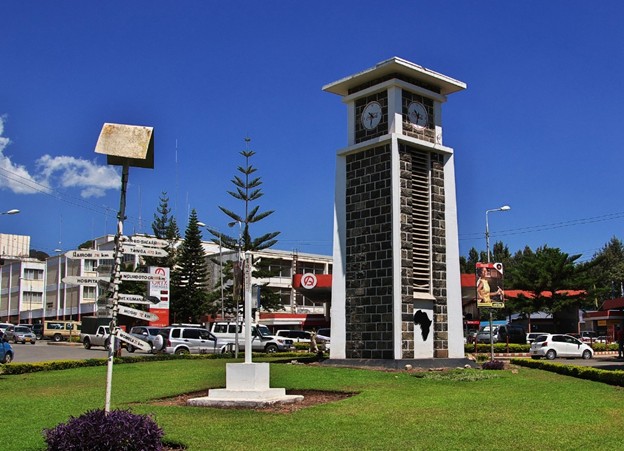
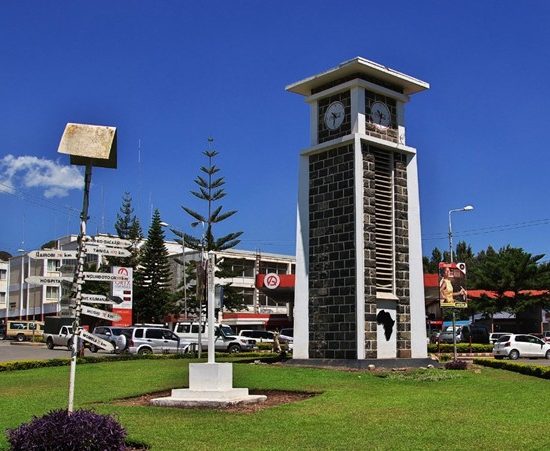
Arusha is the safari capital of northern Tanzania and the gateway to the country’s most iconic wildlife destinations. Almost every itinerary to the Serengeti, Ngorongoro, Tarangire, or Lake Manyara begins here. Yet Arusha is more than just a transit town. It is a vibrant highland city surrounded by coffee farms, volcanic landscapes, and cultural experiences that deserve attention before your safari begins.
This professional guide answers the most important questions travelers ask before arriving in Arusha and provides practical insights to help you plan efficiently.
Table of contents
- Arusha Travel Guide: Where to Stay & What to Do Before Your Safari
- 1. Introduction to Arusha
- 2. What Is Arusha Famous For?
- 3. How Many Days Do You Need in Arusha?
- 4. How to Spend a Day in Arusha
- 5. Is Arusha Worth Visiting?
- 6. Best Places to Stay in Arusha
- 7. Arusha City Map & Location Overview
- 8. Top Things to Do Before Your Safari
- 9. Practical Travel Information
- 10. Frequently Asked Questions (FAQs) About Arusha
1. Introduction to Arusha
Arusha is a bustling city in northern Tanzania, situated at the base of Mount Meru, the fifth-highest mountain on the African continent. Often called the “Safari Capital of Tanzania,” the city is the main gateway for travelers planning safaris across the Northern Safari Circuit, including luxury tours, private wildlife safaris, and budget-friendly adventures. Its prime location between some of Tanzania’s most renowned national parks makes it an ideal starting point for wildlife exploration.
The city is about 50 kilometers from Kilimanjaro International Airport (JRO), the primary international gateway for visitors arriving to explore the Serengeti, Ngorongoro Crater, Tarangire, and Lake Manyara. Arusha also has a domestic airport (ARK) that provides quick flights to Serengeti airstrips, Zanzibar Island, and other safari destinations, making it easy to combine wildlife tours with beach holidays.
From Arusha, travelers can conveniently access several of Tanzania’s most iconic national parks and wildlife reserves, including:
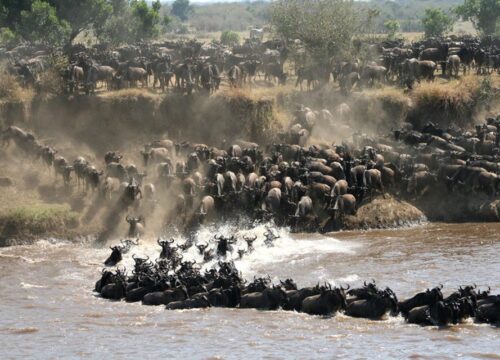
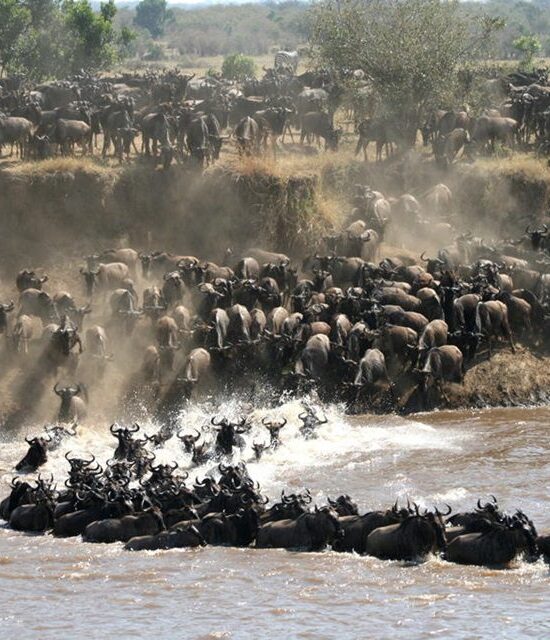
- Serengeti National Park – famous for the annual Great Wildebeest Migration and abundant wildlife sightings
- Ngorongoro Crater – a UNESCO World Heritage Site home to the Big Five and diverse ecosystems
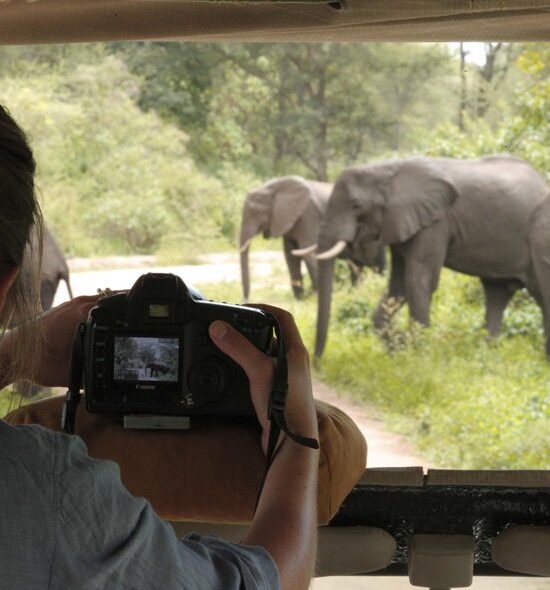
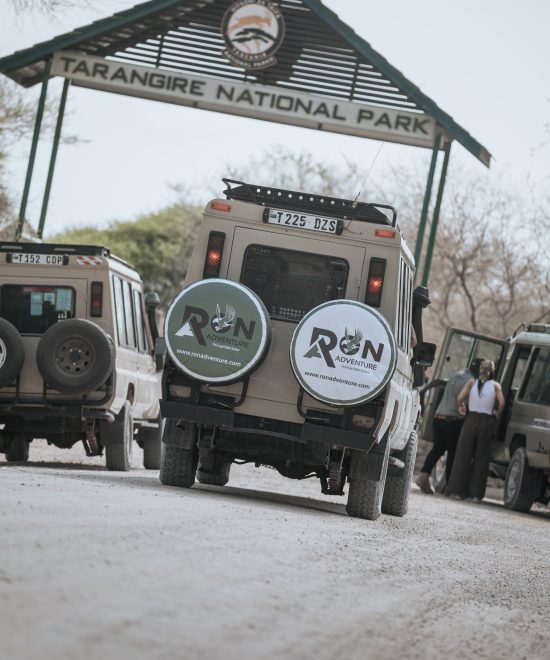
- Tarangire National Park – known for its massive elephant herds, baobab trees, and excellent birdwatching opportunities
- Lake Manyara National Park – renowned for flamingos, tree-climbing lions, and scenic beauty
- Arusha National Park – ideal for walking safaris, game drives, and panoramic views of Mount Meru
Located at an elevation of roughly 1,400 meters (4,600 feet) above sea level, Arusha experiences a pleasant highland climate, with mild temperatures during the day and cooler, refreshing evenings. This makes it an excellent place for visitors to rest, acclimatize, and prepare for their safari adventure.
Beyond functioning as a transit hub, Arusha offers cultural experiences such as Maasai village visits, coffee plantation tours, local craft markets, and hiking around Mount Meru. For many travelers, spending a day or two in Arusha provides a rich introduction to Tanzania’s wildlife, landscapes, and local culture before heading into the Northern Safari Circuit.
2. What Is Arusha Famous For?
Arusha is a unique city in northern Tanzania that attracts travelers for multiple reasons. Beyond being a gateway to some of Africa’s most iconic wildlife destinations, Arusha has its own attractions, cultural richness, and historical significance. Here are the main highlights:
Safari Gateway
Arusha is the operational hub for Tanzania’s Northern Safari Circuit, making it the primary base for safari planning. Nearly all safari companies, guides, and logistics providers for Serengeti, Ngorongoro Crater, Tarangire, and Lake Manyara safaris operate from this city. Whether you are booking a private safari, luxury wildlife tour, or budget-friendly adventure, Arusha provides convenient access and expert guidance for your Tanzania safari experience.
Mount Meru
Mount Meru towers over the city and is a popular trekking destination. Unlike Kilimanjaro, Mount Meru sees fewer climbers, making it perfect for those seeking a quieter hiking or mountaineering experience. Adventurers can enjoy breathtaking views, forest walks, and encounters with wildlife within Arusha National Park.
Coffee Plantations
The Arusha region is renowned for producing premium Arabica coffee. Coffee plantation tours are a popular pre-safari activity, allowing visitors to experience local farming practices, sample freshly brewed coffee, and learn about Tanzania’s coffee culture.
Cultural Diversity
Arusha is home to a vibrant mix of ethnic groups, including the Maasai, Chagga, Meru, and many other Tanzanian communities. This cultural diversity is reflected in local markets, traditional crafts, music, and village experiences. Travelers can visit Maasai villages, participate in cultural tours, and experience authentic Tanzanian traditions firsthand.
International Diplomacy and History
Arusha has also gained recognition as a center for international diplomacy. It hosted the International Criminal Tribunal for Rwanda and remains an important hub for diplomatic meetings and international organizations in East Africa.
In summary, Arusha is not just a transit city for safaris; it is a destination rich in natural beauty, cultural experiences, and historical significance. Its combination of wildlife access, scenic landscapes, coffee culture, and Maasai heritage makes it an essential part of any Tanzania travel itinerary.

3. How Many Days Do You Need in Arusha?
The ideal length of stay in Arusha depends on your travel style, interests, and safari itinerary. Most travelers spend 1–2 nights in Arusha either before starting their Northern Circuit safari or after returning from the parks. This allows sufficient time to rest, acclimatize, and prepare for your wildlife adventure.
Recommended Duration:
- 1 Day: A one-night stay is often enough for travelers on a tight schedule. It provides time to recover from international flights, adjust to the highland climate, and attend safari briefings with your guide.
- 2 Days: Staying two nights gives you more flexibility to explore Arusha and its surroundings. You can enjoy excursions to Arusha National Park, visit the Materuni Waterfalls, or take part in a coffee plantation tour. This option is ideal for travelers seeking a balance between relaxation and sightseeing.
- 3+ Days: For those interested in cultural immersion, hiking, or adventure activities, a three-night stay or longer is recommended. You can trek Mount Meru, explore Maasai villages, or spend more time visiting local markets and artisan centers. This option is perfect for luxury safari travelers or anyone looking to combine nature, culture, and adventure.
For most safari-goers focused on wildlife, 1–2 days in Arusha is sufficient. It allows travelers to rest, plan, and organize their Tanzania safari itinerary while enjoying a taste of the city’s culture and natural attractions.
4. How to Spend a Day in Arusha
If you have just one day to explore Arusha before heading out on your Tanzania safari, you can make the most of your time by combining wildlife, culture, and scenic experiences. Here’s a suggested itinerary for a memorable day in northern Tanzania.
Morning: Explore Arusha National Park
Begin your day with a half-day game drive or walking safari at Arusha National Park. This park is home to giraffes, zebras, buffalo, colobus monkeys, and flamingos, all set against the stunning backdrop of Mount Meru. The park offers a quieter wildlife experience compared to larger parks, making it perfect for photography, birdwatching, and a relaxed introduction to Tanzania’s wildlife before your main safari adventure.
Afternoon: Cultural Exploration and Shopping
After your morning wildlife experience, immerse yourself in Arusha’s vibrant culture. Visit the Maasai Market to browse traditional handicrafts, artwork, jewelry, and textiles. Then stop by the Cultural Heritage Centre to see Tanzanian art, gemstones, and the world-famous Tanzanite. These stops provide an authentic taste of local culture and unique souvenirs to take home.
Evening: Relax and Dine
Spend your evening unwinding at your lodge or hotel. Arusha has a variety of restaurants offering both local Tanzanian dishes and international cuisine, allowing you to enjoy a relaxing meal while reflecting on the day’s experiences and preparing for your upcoming safari journey.
Optional Adventure: Materuni Waterfalls and Coffee Tours
For travelers seeking a combination of nature and culture, a trip to Materuni Waterfalls is highly recommended. This excursion typically includes a short hike through coffee plantations and a demonstration of traditional coffee-making, from bean to cup. It’s a perfect blend of adventure, scenic beauty, and cultural immersion, making it an excellent addition to your one-day Arusha itinerary.
5. Is Arusha Worth Visiting?
Yes, Arusha is definitely worth a visit, particularly for travelers planning a Northern Safari Circuit or Tanzania wildlife adventure. While it is not a coastal or beach destination like Zanzibar, nor a bustling metropolitan city like Dar es Salaam, Arusha offers an authentic Tanzanian experience with natural beauty, cultural richness, and easy access to some of the country’s top national parks.
Reasons to Visit Arusha:
- Stunning Highland Scenery – Surrounded by mountains, including Mount Meru and the scenic Ngorongoro Highlands, Arusha offers picturesque landscapes perfect for photography, hiking, and nature walks.
- Mild and Comfortable Climate – Sitting at approximately 1,400 meters above sea level, Arusha enjoys cooler temperatures and lower humidity compared to coastal cities, making it ideal for sightseeing and pre-safari relaxation.
- Cultural Experiences – Arusha is home to Maasai, Chagga, Meru, and other Tanzanian ethnic communities. Visitors can engage in Maasai village tours, explore local markets, and learn about Tanzanian traditions and crafts.
- Gateway to Tanzania’s National Parks – The city provides convenient access to Serengeti National Park, Ngorongoro Crater, Tarangire, Lake Manyara, and Arusha National Park, making it the perfect starting point for wildlife safaris and Tanzania nature tours.
- Relaxed Urban Atmosphere – Compared to larger Tanzanian cities, Arusha offers a calmer, more manageable city experience, making it an ideal place to rest, acclimate, and prepare for safari adventures.
Even though Arusha is not known for beaches or nightlife, it offers an authentic introduction to Tanzania’s culture, landscapes, and wildlife. A visit to Arusha allows travelers to experience local traditions, explore coffee plantations, enjoy scenic mountain views, and easily plan safari trips to the Northern Circuit.
6. Best Places to Stay in Arusha
Arusha offers a variety of accommodation options to suit every traveler, whether you are planning a Northern Safari Circuit tour, a Serengeti safari, or a visit to Ngorongoro Crater. From high-end luxury lodges to comfortable mid-range hotels and budget-friendly guesthouses, Arusha has something for everyone. Many properties also provide airport transfers, pre-safari briefings, and assistance with tour bookings, ensuring a smooth and convenient stay.
Luxury Lodges and Hotels
For travelers seeking top-tier comfort and amenities, Arusha has several luxurious lodges and hotels:
- Gran Meliá Arusha – a modern luxury hotel featuring elegant rooms, fine dining, spa services, and personalized safari arrangements
- Arusha Coffee Lodge – set amidst lush coffee plantations, offering a serene environment and tailored pre-safari planning
Mid-Range Hotels
Mid-range accommodations offer a good balance of comfort and value. These are ideal for families, couples, and solo travelers preparing for safari adventures:
- Four Points by Sheraton Arusha – centrally located with modern facilities and easy access to safari tour operators
- Mount Meru Hotel – a well-established hotel with spacious rooms, excellent dining options, and scenic views of Mount Meru
Budget Lodges and Guesthouses
Budget-conscious travelers can find safe, clean, and convenient lodges and guesthouses in Arusha:
- Outpost Lodge – a cozy and affordable option popular with small safari groups and backpackers
- Planet Lodge – simple, budget-friendly accommodations with easy access to city attractions and safari departure points
Staying in Arusha before your safari allows you to recover from long flights, attend pre-safari briefings, and explore short cultural or city tours. Whether you prefer a luxury lodge, a mid-range hotel, or budget accommodation, Arusha provides excellent options for every traveler on the Northern Safari Circuit.
7. Arusha City Map & Location Overview
Arusha is strategically located in northern Tanzania, making it an essential hub for travelers exploring the country’s Northern Safari Circuit. Its central position allows easy access to Tanzania’s top wildlife destinations, minimizing travel time and making it convenient for both overland safaris and domestic flights.
Travel Times from Arusha to Key Safari Destinations:
- Tarangire National Park: approximately 2–3 hours by road, ideal for day trips or overnight safaris
- Ngorongoro Crater: around 3–4 hours by car, perfect for wildlife viewing and Big Five safaris
- Serengeti National Park: 6–8 hours by road, or a 1-hour domestic flight, offering access to the Great Wildebeest Migration and abundant wildlife
- Kilimanjaro International Airport (JRO): roughly 1 hour, convenient for international arrivals and departures
Arusha’s central location makes it an ideal base for travelers planning Tanzania safaris, Northern Safari Circuit tours, or combined safari and Kilimanjaro trekking adventures. The city’s accessibility allows safari operators to efficiently organize game drives, lodge transfers, and guided tours across multiple national parks.
Map and Navigation Tips:
Arusha city is easy to navigate, with clearly marked roads connecting the main hotels, lodges, and safari offices. Many accommodations offer maps and transportation services to safari departure points, coffee plantations, and cultural sites, ensuring visitors can explore the city and its surroundings efficiently.
8. Top Things to Do Before Your Safari
Before embarking on your Tanzania safari adventure, it’s important to prepare in Arusha to ensure a smooth and enjoyable experience. Arusha serves as the perfect pre-safari hub, offering essential services, cultural experiences, and opportunities to acclimatize. Here are the top things to do before your wildlife safari:
Essential Preparations:
- Currency Exchange and ATM Withdrawals: Ensure you have Tanzanian Shillings (TZS) for small purchases, park fees, and tips. ATMs are available in the city center and near major hotels.
- Purchase Local SIM Cards: Stay connected during your safari by obtaining a Tanzanian SIM card with data for calls, navigation, and internet access.
- Buy Last-Minute Safari Essentials: Stock up on sunscreen, insect repellent, hats, binoculars, and other safari gear before heading into the parks.
- Attend Your Safari Briefing: Most tour operators provide a detailed briefing covering itinerary, safety, wildlife expectations, and park regulations.
- Rest and Acclimate: Take time to relax at your lodge or hotel to recover from international travel and prepare for early morning game drives.
Optional Activities to Enhance Your Pre-Safari Experience:
- Coffee Plantation Tours: Visit local coffee farms, learn about Tanzanian coffee production, and enjoy fresh coffee tastings.
- Cultural Village Visits: Explore Maasai or other local villages to experience traditional Tanzanian culture, crafts, and lifestyles.
- Short Hikes on Mount Meru: For adventure enthusiasts, take a guided hike or nature walk around Mount Meru for scenic views and wildlife spotting.
- Day Trip to Arusha National Park: Enjoy a half-day safari or walking tour in the park to see giraffes, zebras, flamingos, and other wildlife before your main safari journey.
Preparing in advance in Arusha not only ensures your safari runs smoothly but also adds extra cultural, scenic, and adventure experiences to your Tanzania itinerary. This pre-safari time helps travelers get familiar with the local environment, engage with Tanzanian culture, and maximize their wildlife viewing opportunities.
9. Practical Travel Information
When planning your visit to Arusha, it’s helpful to be prepared with essential travel information. From climate and transportation to safety tips, this guide ensures your stay is comfortable, safe, and well-organized before starting your Tanzania safari or Northern Safari Circuit adventure.
Climate
Arusha sits at an elevation of approximately 1,400 meters (4,600 feet), giving it a cooler highland climate compared to other Tanzanian cities. Daytime temperatures are generally mild and comfortable, while evenings can be chilly, so packing layers is recommended. The pleasant climate makes Arusha an ideal stop for resting and acclimatizing before heading into the Serengeti, Ngorongoro Crater, or Tarangire National Park.
Best Time to Visit
The optimal time to visit Arusha for safari activities is during the dry season, from June to October. Wildlife spotting is easier, roads are more accessible, and the scenery is clear. However, Arusha can be visited year-round, and travelers during the wet season (November to May) can still enjoy fewer crowds, lush landscapes, and coffee plantation tours. Planning your visit according to your safari and trekking schedule ensures the best experience in northern Tanzania.
Transportation in Arusha
Most safari operators arrange airport transfers from Kilimanjaro International Airport directly to your lodge or hotel. Within the city, taxis and boda-bodas (motorcycle taxis) are widely available. Many lodges and hotels also provide shuttle services and guided transport to the Maasai Market, coffee plantations, and cultural centers, making it easy to explore Arusha conveniently before your safari.
Health and Safety
Arusha is considered generally safe for travelers, though standard precautions should be followed. Use bottled or filtered water, avoid untrusted food sources, and rely on reputable transportation providers. Travelers should also consider malaria prevention measures, as northern Tanzania is a low- to moderate-risk area. Following basic safety tips ensures a worry-free visit and allows you to focus on enjoying your pre-safari experiences.

10. Frequently Asked Questions (FAQs) About Arusha
1. Where is Arusha located in Tanzania?
Arusha is located in northern Tanzania, between Mount Kilimanjaro and the Serengeti ecosystem. It lies approximately 50 kilometers from Kilimanjaro International Airport (JRO) and serves as the main gateway to Tanzania’s Northern Safari Circuit.
2. Why do most safaris start in Arusha?
Arusha is strategically positioned near major national parks including:
- Serengeti National Park
- Ngorongoro Crater
- Tarangire National Park
Most safari companies operate from Arusha, making logistics efficient and cost-effective.
3. Is Arusha safe for tourists?
Yes, Arusha is generally safe for tourists, especially within hotel areas and with organized transfers. As in any city, basic precautions should be taken:
- Avoid walking alone at night
- Use licensed taxis or arranged transfers
- Keep valuables secure
Safari operators typically handle transportation and logistics for added safety.
4. How far is Arusha from Serengeti?
By road, the distance from Arusha to Serengeti is approximately 325–350 kilometers, depending on the gate used. The drive takes about 6–8 hours. Alternatively, a domestic flight takes about 1 hour.
5. What airport do you fly into for Arusha?
Travelers typically arrive at Kilimanjaro International Airport (JRO), located about one hour from Arusha. Some regional flights also land at Arusha Airport (ARK), which mainly serves domestic routes.
6. Can you see wildlife in Arusha itself?
Yes. Wildlife can be seen in Arusha National Park, which is just a short drive from the city. Visitors may see giraffes, buffalo, zebras, flamingos, and occasionally colobus monkeys. However, Arusha city itself is urban and does not have free-roaming wildlife.
7. What currency is used in Arusha?
The local currency is Tanzanian Shilling (TZS). US Dollars are widely accepted in hotels and safari payments. Credit cards are accepted in larger hotels, but it is advisable to carry some cash for small purchases.
8. What should I wear in Arusha?
Arusha has a mild highland climate. Recommended clothing includes:
- Light clothing during the day
- A light jacket or sweater for evenings
- Comfortable walking shoes
- Modest attire when visiting local communities
9. Is Wi-Fi available in Arusha?
Most mid-range and luxury hotels offer Wi-Fi. Speeds may vary. Purchasing a local SIM card upon arrival provides reliable mobile data coverage.
10. Is Arusha suitable for families?
Yes. Arusha is family-friendly and provides a relaxed introduction to Tanzania before heading into national parks. Family-oriented lodges and cultural activities make it suitable for travelers with children.
11. Can you combine Arusha with Zanzibar?
Yes. Many travelers combine a northern Tanzania safari starting in Arusha with a beach holiday in Zanzibar. Domestic flights connect Arusha or Serengeti airstrips directly to Zanzibar Island.
12. What language is spoken in Arusha?
Swahili is the national language, and English is widely spoken in hotels, safari lodges, and tourism services.
11. Final Travel Tips for Arusha
To make the most of your stay in Arusha and prepare for a smooth safari experience, keep these essential travel tips in mind:
- Arrive Early: Plan to arrive at least one day before your Northern Safari Circuit or Serengeti safari begins. This allows time to rest after international travel, acclimatize to the local climate, and attend pre-safari briefings.
- Carry Small Cash Denominations: Bring small bills and coins for local markets, Maasai crafts, tipping guides, and small purchases. Many vendors in Arusha prefer cash payments for souvenirs and local goods.
- Pack for Variable Weather: Evenings in Arusha can be cool due to its highland climate. A light jacket or sweater is recommended, along with comfortable walking shoes for city tours or short nature excursions.
- Confirm Safari Briefings: Always double-check your safari departure time and briefing details with your operator. This ensures a smooth start to your wildlife adventure across Serengeti, Ngorongoro, Tarangire, or Lake Manyara.
Arusha is more than just a transit city; it is a vibrant destination that introduces you to Tanzania’s rich landscapes, cultural heritage, and warm hospitality. Spending time here before your safari allows you to experience local markets, Maasai villages, coffee plantations, and scenic views of Mount Meru.
Proper planning in Arusha not only makes your pre-safari stay enjoyable but also enhances your entire Tanzania safari experience. By combining cultural exploration, scenic excursions, and practical preparations, travelers can ensure a smooth, comfortable, and memorable start to their Northern Safari Circuit or other Tanzanian wildlife adventures.

Tarangire National Park Safari
6 Day Tanzania Safari Itinerary
Top 10 Safari Mistakes to Avoid in Tanzania
Central Serengeti Safari Guide – Wildlife, Best Time to Visit & Travel Tips
Tanzania Wildebeest Migration – The Ultimate Guide to Africa’s Greatest Wildlife Journey
Ron Adventure Tour Company | Tanzania Safari & Kilimanjaro Experts
Mount Kilimanjaro Climbing Routes
Tanzania Safari 2026- 2027: Witness the Incredible Wildlife and Natural Beauty of Tanzania
Mount Kilimanjaro – Complete Guide for Climbers and Safari Travelers
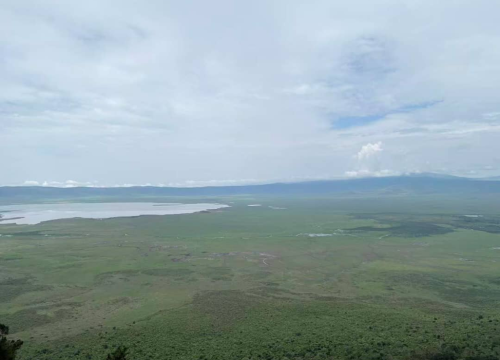
Ngorongoro Crater: Complete Travel Guide
Is Ndutu in Serengeti or Ngorongoro? A complete Guide
How Much Does a Serengeti Safari Cost? (Complete Guide)
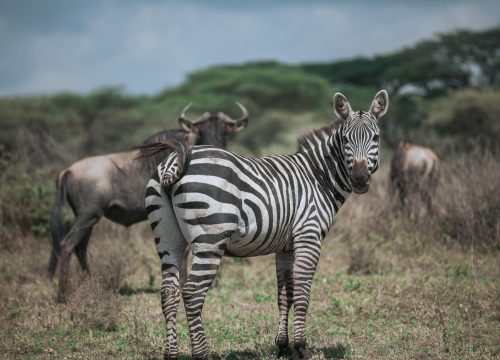
Best Time to Visit Serengeti for the Great Migration
Why Tanzania Is the Best African Safari Destination

Is Tanzania Safe to Visit After the 2025 Election?
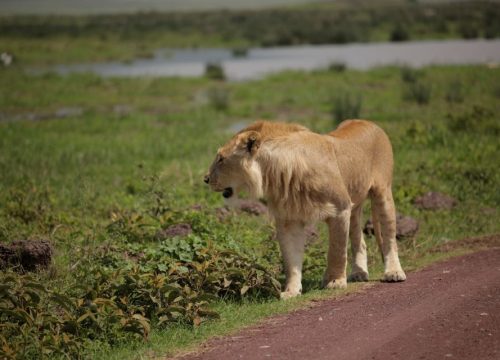
Tarangire National Park Safari
6 Day Tanzania Safari Itinerary
Arusha Travel Guide