6 Day Tanzania Safari Itinerary: Wildlife, Lodges, and Safari Cost
A 6-day Tanzania safari itinerary offers one of the most rewarding ways to experience Africa’s wildlife in a realistic and well-paced timeframe. For travelers who want more than a rushed overview but may not have the flexibility for a longer journey, six days strikes an ideal balance between depth, comfort, and variety. It allows meaningful time in multiple world-class national parks while maintaining a smooth travel flow that enhances, rather than exhausts, the safari experience.
Tanzania is widely regarded as one of Africa’s premier safari destinations, and for good reason. The country is home to vast protected ecosystems, extraordinary wildlife density, and landscapes that change dramatically within short distances. A six-day itinerary allows you to move through these environments in a logical sequence, gradually building the safari experience from the first game drive to the final moments in the wilderness.
Table of contents
- 6 Day Tanzania Safari Itinerary: Wildlife, Lodges, and Safari Cost
- Why a 6 Day Safari Works So Well in Tanzania
- Safari Overview at a Glance
- 6 Day Tanzania Safari Route Explained
- Wildlife You Can Expect to See on a 6 Day Safari
- Cost of a 6 Day Tanzania Safari – What to Expect and What Influences the Price
- Best Accommodation Options Near Activity Areas (And Why)
- Best Time to Do a 6 Day Tanzania Safari
- Why Choose This 6 Day Tanzania Safari with Ron Adventure
- Who This Safari Is Best For
- Safari Extensions & Add-Ons
- How to Book a 6 Day Tanzania Safari
- Final Thoughts
Why a 6 Day Safari Works So Well in Tanzania
Unlike destinations where parks are scattered over long distances, Tanzania’s northern safari circuit is compact and well-connected. Starting from Arusha, travelers can reach multiple iconic parks without excessive driving. This makes six days sufficient to explore contrasting habitats, observe a wide range of wildlife, and enjoy full game drives rather than short stops.
A six-day safari allows for a natural progression. The journey typically begins in a park known for its dramatic landscapes and large herbivore populations, continues into the endless plains of the Serengeti, and concludes in a unique volcanic ecosystem where wildlife thrives year-round. This progression adds narrative depth to the safari, turning it into a journey rather than a checklist of sightings.
What Kind of Experience to Expect
This itinerary is designed for travelers seeking an authentic safari experience with comfort and flexibility. Days are structured to include unhurried game drives, scenic transfers, and time to absorb the surroundings. Early mornings are balanced with relaxed evenings, often spent watching sunsets from lodges or camps located close to wildlife areas.
Wildlife viewing is the central focus, but the experience goes beyond animals alone. Travelers witness changing landscapes, interact with knowledgeable local guides, and gain insight into conservation, ecology, and Tanzania’s relationship with its natural heritage. Each day adds context to the previous one, creating a layered understanding of the safari ecosystem.
Safari Style and Travel Pace
A six-day safari is best enjoyed at a moderate pace. Rather than moving camps every night, the itinerary allows for meaningful stays in key locations, especially in the Serengeti. This reduces packing and unpacking while increasing time spent on actual game drives. The result is a calmer, more immersive experience that suits both first-time safari travelers and those returning to Africa.
Most six-day safaris are conducted in private or semi-private vehicles with professional driver-guides. This allows flexibility in daily schedules, photography stops, and wildlife tracking. It also enables guides to adapt routes based on real-time animal movements, weather, and guest interests.
Who This Safari Is Designed For
A 6-day Tanzania safari itinerary appeals to a wide range of travelers. Couples and honeymooners appreciate the balance of adventure and comfort. Families benefit from manageable travel days and well-structured lodges. Photographers value the extended time in prime wildlife areas, particularly in open savannah landscapes where light and visibility are ideal.
It is also a popular choice for travelers combining a safari with a beach holiday. Six days on safari pairs naturally with a Zanzibar extension, creating a complete bush-and-beach experience without requiring excessive time off work.

The Role of Cost in a 6 Day Safari
Understanding cost is an important part of planning a Tanzania safari. A six-day itinerary provides flexibility across different budget levels while maintaining high wildlife value. Costs vary depending on accommodation type, travel season, and level of exclusivity, but the itinerary itself remains strong across budget, mid-range, and luxury options.
Because park fees, conservation costs, and logistics are significant in Tanzania, a six-day safari often represents better value than shorter itineraries. It spreads fixed costs over more days while delivering a deeper experience, making it one of the most cost-effective ways to enjoy Tanzania’s top parks properly.
Setting the Foundation for the Journey
This introduction sets the foundation for understanding why a 6-day Tanzania safari itinerary and cost is such a popular and reliable choice. The sections that follow will break down the route, daily experiences, wildlife expectations, accommodation options, seasonal considerations, and realistic cost ranges. Together, they form a complete guide designed to help travelers plan confidently and make informed decisions.
Rather than presenting a rigid package, this safari framework reflects how Tanzania is best experienced: thoughtfully, patiently, and with respect for both the land and the wildlife that define it.
Safari Overview at a Glance
A 6-day Tanzania safari itinerary is best understood by looking at how the journey flows as a complete experience rather than as individual days. This safari follows Tanzania’s northern circuit, a region internationally recognized for its exceptional wildlife density, varied ecosystems, and well-developed safari infrastructure. The route is designed to maximize time inside national parks while keeping road travel efficient and purposeful.
The safari typically begins and ends in Arusha, the main gateway town for northern Tanzania safaris. From here, travelers move through a sequence of protected areas that each offer a distinct environment and wildlife experience. The route usually includes Tarangire National Park, Serengeti National Park, and Ngorongoro Crater, with some itineraries optionally adding Lake Manyara depending on travel pace and interests. This combination creates a strong balance between savannah, riverine habitats, volcanic landscapes, and highland scenery.
Safari Duration and Daily Rhythm
Six days allows for a comfortable safari rhythm that avoids the pressure often felt on shorter trips. Travel days are balanced with full game-drive days, ensuring that wildlife viewing is not compromised by long transfers. Mornings usually begin early, when animals are most active and light conditions are best for photography. Afternoons often include a slower pace, with time for rest or scenic drives, followed by another wildlife session later in the day.
Evenings are typically spent at lodges or tented camps located close to or within the parks. This positioning is important, as it reduces travel time at the beginning and end of each game drive. It also allows travelers to experience the sounds and atmosphere of the African bush after dark, which is an essential part of the safari experience.
Type of Safari Experience
This itinerary is commonly offered as a private safari, particularly for couples, families, or small groups. A private safari vehicle provides flexibility, allowing guides to tailor each day based on wildlife movements, guest interests, and weather conditions. It also ensures a more personal experience, where questions, photography stops, and spontaneous moments are easily accommodated.
Semi-private options may also be available, especially in mid-range or budget categories, where travelers share a vehicle with others following the same route. While this reduces cost, the overall safari experience remains strong due to the quality of the parks and guiding standards in Tanzania.
Accommodation Style and Comfort Level
Accommodation plays a major role in shaping the safari experience. A 6-day Tanzania safari can be done using budget lodges, mid-range tented camps, or high-end luxury properties, all while following the same core route. What changes is the level of comfort, location, and exclusivity.
Mid-range and luxury accommodations are often located inside or very close to the parks, allowing for earlier starts and later returns from game drives. Budget options are usually based just outside park boundaries but still offer clean, comfortable stays and good access to wildlife areas. Regardless of category, most safari accommodations include full board, meaning meals are provided and timed around game activities.

Wildlife Focus and Variety
One of the main strengths of this safari overview is the diversity of wildlife encountered across different regions. The journey begins in areas known for large elephant herds and scenic landscapes, then moves into vast open plains famous for predators and large migratory herds, and finally reaches a unique natural enclosure where wildlife density is exceptionally high year-round.
This progression ensures that travelers are exposed to a wide range of species and behaviors. It also increases the chances of seeing the Big Five, particularly when the itinerary includes both Serengeti and Ngorongoro. Birdlife is abundant throughout the route, making the safari equally rewarding for bird enthusiasts.
Who This Safari Overview Is Best Suited For
A six-day safari overview appeals to travelers who want a comprehensive wildlife experience without committing to a longer itinerary. It is well-suited for first-time visitors to Africa who want a strong introduction to safari life, as well as repeat travelers seeking a refined and efficient route.
The itinerary also works well for travelers combining a safari with other destinations, particularly a Zanzibar beach extension. Six days on safari provides enough depth to feel complete, while still leaving time for relaxation afterward. This balance is one of the reasons the six-day format is consistently popular.
Travel Flow and Logistics
From a logistical perspective, the safari overview emphasizes smooth transitions and manageable distances. Roads along the northern circuit are well established, and travel times are predictable, allowing for reliable planning. Scenic drives through highland areas and conservation zones add visual interest, ensuring that transfer days remain part of the experience rather than downtime.
Professional safari guides play a critical role in this overview. Their knowledge of terrain, animal behavior, and timing transforms the route into a cohesive journey. With an experienced guide, even travel days become opportunities for learning and wildlife sightings.
Setting Expectations Before the Details
This safari overview provides the framework for understanding how a 6-day Tanzania safari itinerary and cost come together as a complete experience. It outlines the journey’s scope, pace, and character before diving into daily details. The sections that follow will explore each day in depth, explain wildlife expectations park by park, and break down realistic cost ranges to help travelers plan with clarity and confidence.
At its core, this safari overview reflects why Tanzania remains one of the world’s most respected safari destinations and why six days is such a reliable and rewarding timeframe to experience it properly.
6 Day Tanzania Safari Route Explained
The success of a 6-day Tanzania safari itinerary depends largely on the route chosen. Tanzania offers many national parks, but not all combinations work well within a limited timeframe. The northern safari circuit is widely regarded as the most efficient and rewarding option for a six-day journey because it concentrates world-class wildlife areas within a relatively compact region. This allows travelers to experience diverse ecosystems without spending most of their time on the road.
The classic route begins in Arusha and moves through Tarangire National Park, continues into Serengeti National Park, and concludes in the extraordinary Ngorongoro Crater. Some variations include Lake Manyara, but the core strength of this route lies in how these three areas complement each other in terms of wildlife, landscapes, and safari experience.
Why the Northern Circuit Is Ideal for Six Days
The northern circuit works exceptionally well because distances between parks are manageable and the quality of wildlife viewing is consistently high. Roads are well established, and the transition between parks feels gradual rather than abrupt. This makes the journey feel like a continuous story, with each destination adding a new layer to the safari experience.
A six-day timeframe allows travelers to move through the circuit without rushing. Shorter itineraries often sacrifice time in the Serengeti, which is the heart of Tanzania’s safari experience. With six days, there is enough time to reach the Serengeti properly, spend meaningful time there, and still include Ngorongoro without feeling compressed.
Starting in Tarangire National Park
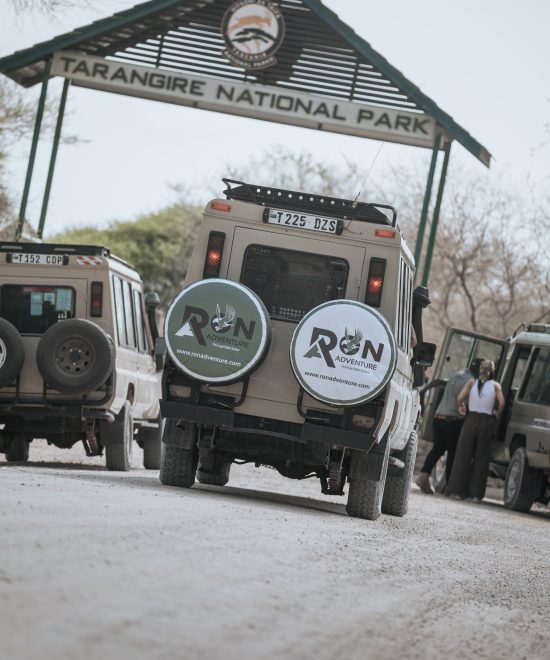
Tarangire National Park is often chosen as the first major stop on this route, and for good reason. Located a few hours’ drive from Arusha, it provides an immediate immersion into the safari environment without a long travel day. The park is known for its ancient baobab trees, rolling landscapes, and large elephant populations.
Beginning the safari in Tarangire allows travelers to ease into game viewing while adjusting to the rhythm of safari life. Wildlife sightings are frequent, and the scenery is striking, offering an excellent introduction to Tanzania’s wilderness. Starting here also helps build anticipation, as the scale and density of wildlife gradually increase as the journey progresses.
Transitioning Toward the Serengeti
After Tarangire, the route typically passes through the Ngorongoro Highlands on the way to the Serengeti. This transition is an important part of the journey. The landscape changes noticeably as flat plains give way to cooler highlands, cultivated areas, and scenic viewpoints. This contrast adds depth to the experience and highlights Tanzania’s geographical diversity.
The drive toward the Serengeti is not merely a transfer. En-route wildlife sightings are common, particularly as the route enters conservation areas where animals move freely. This gradual transition helps travelers appreciate the scale of the Serengeti ecosystem before fully entering the park.

The Central Role of Serengeti National Park
The Serengeti is the centerpiece of the six-day safari route. Its vast open plains, abundant predators, and seasonal movements of wildebeest and zebra make it one of the most iconic wildlife areas in the world. Allocating sufficient time here is essential, and a six-day itinerary allows for at least two nights, often more, within the Serengeti.
This extended stay increases the chances of meaningful wildlife encounters. Rather than relying on quick sightings, travelers have time to observe animal behavior, track predators, and explore different sections of the park. Morning and afternoon game drives reveal different aspects of the ecosystem, from hunting activity to social interactions among herbivores.
Moving From Serengeti to Ngorongoro
The route from the Serengeti to Ngorongoro marks a shift in both landscape and safari style. Leaving the open plains behind, travelers ascend into a volcanic highland region that feels dramatically different from the Serengeti. This change keeps the safari experience fresh and varied, even in the later stages of the journey.
Ngorongoro is unique because it is a conservation area rather than a traditional national park. Wildlife and local communities coexist here, adding a cultural and environmental dimension to the safari. The descent into the crater itself is often described as one of the most memorable moments of a Tanzania safari.
Why Ngorongoro Is an Ideal Finale
Ngorongoro Crater serves as a powerful conclusion to the safari route. Its enclosed ecosystem supports a high concentration of wildlife year-round, including predators and large herbivores. Because animals rarely migrate out of the crater, sightings are reliable and varied, even within a single game drive.
Ending the safari in Ngorongoro provides a sense of completion. After days spent tracking animals across vast landscapes, the crater offers a concentrated and dramatic finale. The contrast between the expansive Serengeti and the compact richness of Ngorongoro highlights the diversity of Tanzania’s wildlife environments.
Optional Route Variations and Flexibility
While the Tarangire–Serengeti–Ngorongoro route is the most common, it is not rigid. Some itineraries include Lake Manyara at the beginning or end, depending on interests and travel pace. Others adjust time allocation between parks based on season, particularly if the Great Migration is a priority.
The strength of this route lies in its flexibility. It can be adapted for different travel styles, accommodation levels, and seasonal wildlife movements without losing its core effectiveness. This adaptability is one of the reasons it remains the preferred choice for a 6-day Tanzania safari itinerary and cost.
Understanding the Logic Behind the Route
This safari route is not simply a list of famous parks. It is a carefully structured journey that balances distance, wildlife quality, and experience depth. Each destination builds on the previous one, creating a progression that feels natural and rewarding.
By following this route, travelers gain a comprehensive understanding of northern Tanzania’s ecosystems within a realistic timeframe. It explains why this particular combination of parks continues to be the benchmark for six-day safaris and why it consistently delivers one of the most complete safari experiences in Africa.
Wildlife You Can Expect to See on a 6 Day Safari
One of the main reasons travelers choose a 6-day Tanzania safari itinerary is the exceptional variety and reliability of wildlife sightings. Tanzania’s northern safari circuit supports some of the highest concentrations of animals in Africa, spread across different ecosystems that each contribute something unique to the overall experience. Over six days, travelers are exposed to river systems, open savannahs, volcanic landscapes, and grassland plains, all of which influence the type and behavior of wildlife encountered.
Big Game and Iconic African Species
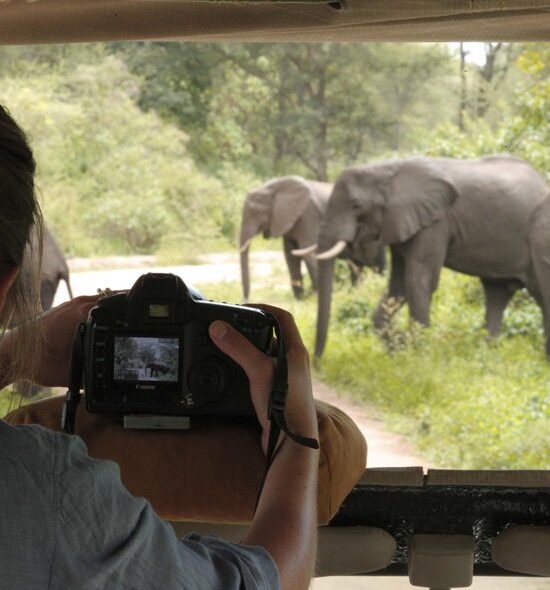
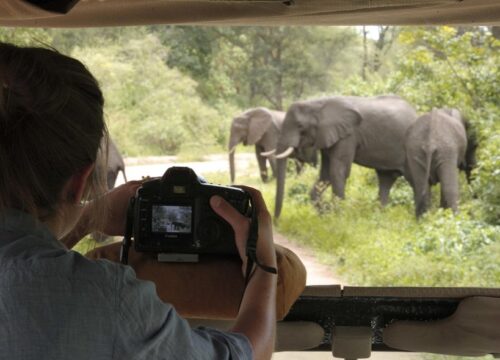
A six-day safari offers strong chances of seeing Africa’s most iconic animals. Large herbivores such as elephants, giraffes, buffalo, and zebra are commonly encountered throughout the route. In areas like Tarangire National Park, elephants are particularly prominent, often appearing in large family groups near rivers and shaded woodlands. Their behavior, from dust bathing to feeding on baobab trees, provides some of the most memorable safari moments.
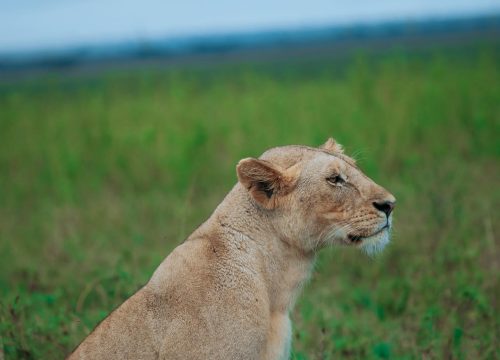
Predators are another major highlight. Lions are widespread across the northern circuit and are frequently seen resting in the shade, surveying plains, or interacting within prides. The open landscapes of Serengeti National Park make it one of the best places in Africa to observe big cats in action. Cheetahs thrive in these wide plains, where their speed and hunting techniques can sometimes be witnessed in daylight. Leopards, while more elusive, are also present, often spotted in trees or dense vegetation with the help of experienced guides.

The Big Five Experience
Many travelers hope to see the Big Five during their safari, and a six-day itinerary offers a realistic opportunity to do so. Lions, elephants, and buffalo are commonly encountered. Leopards require patience and skilled tracking but are present throughout the route. Rhinoceros sightings are less common in open parks, but the Ngorongoro Crater is one of the most reliable places in Tanzania to see black rhino in the wild.
What makes the Big Five experience in Tanzania special is the context in which these animals are seen. Rather than isolated sightings, animals are observed as part of functioning ecosystems, interacting with prey, predators, and their environment. This adds depth and authenticity to the safari experience.
The Great Migration and Seasonal Wildlife Movements
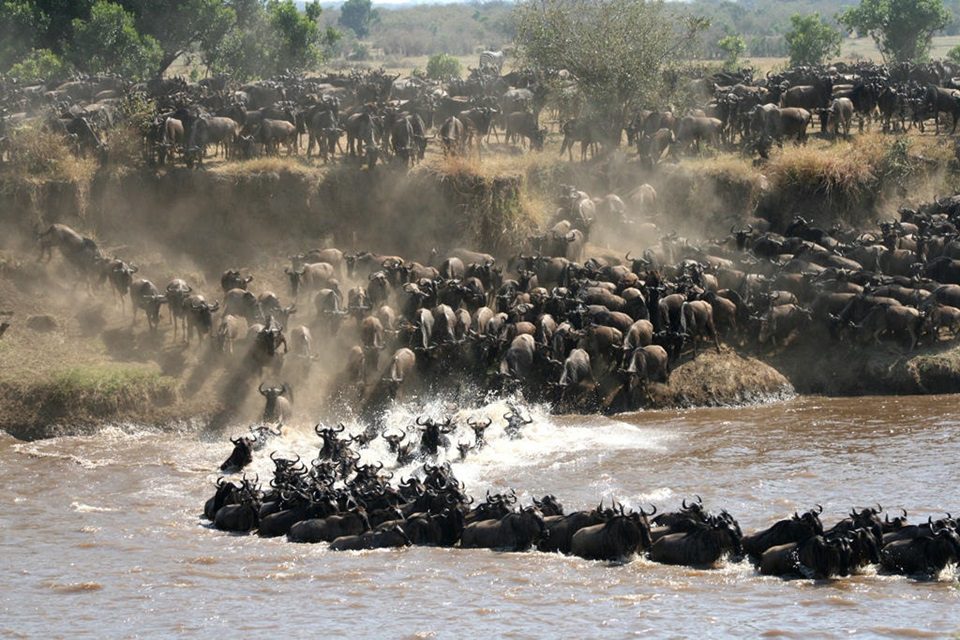
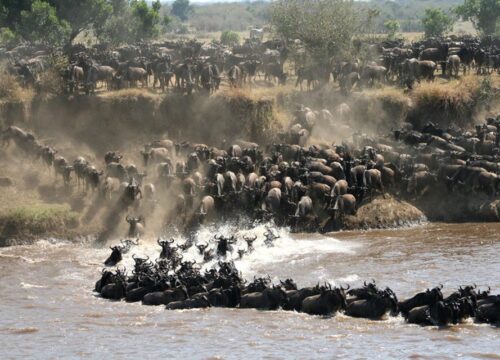
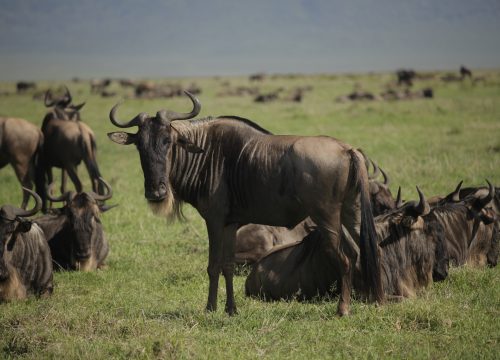
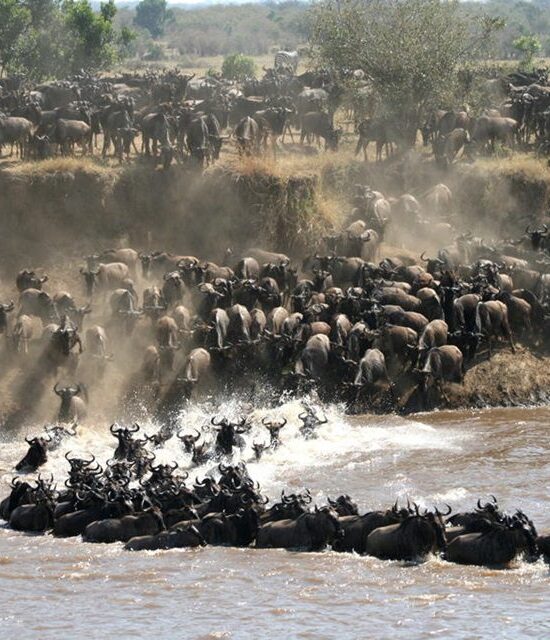
One of the most famous wildlife spectacles in the world takes place in the Serengeti. The Great Migration involves millions of wildebeest, zebra, and gazelle moving in search of fresh grazing. While migration patterns change throughout the year, a six-day safari that includes the Serengeti offers a chance to witness at least part of this movement, depending on the season.
Even outside peak migration periods, the Serengeti remains rich in wildlife. Resident predator populations rely on these large herbivore herds year-round, ensuring excellent game viewing regardless of timing. Guides adjust routes based on seasonal conditions, increasing the likelihood of rewarding sightings.
Birdlife and Smaller Species
Wildlife experiences on a Tanzania safari extend beyond large mammals. Birdlife is abundant and diverse, with hundreds of species recorded across the northern circuit. From large birds of prey circling overhead to colorful species found near water sources, bird sightings add another layer to the safari.
Smaller mammals also contribute to the richness of the experience. Warthogs, hyenas, jackals, and various antelope species are frequently seen. In forested and woodland areas, monkeys and smaller primates add variety, while nocturnal species may be heard around camps at night, enhancing the sense of being immersed in the wild.
Wildlife Density and Viewing Conditions
One advantage of a six-day itinerary is the ability to experience different wildlife densities. Open plains offer long-distance visibility, making it easier to spot predators and large herds. In contrast, riverine and woodland areas require more attentive tracking but often reward patience with intimate encounters.
The Ngorongoro Crater stands out for its unusually high wildlife density within a relatively small area. Because animals rarely migrate out of the crater, sightings are consistent throughout the year. This makes it an ideal location for travelers hoping to see a wide range of species within a short time frame.
The Role of Guides in Wildlife Encounters
The quality of wildlife sightings depends not only on the parks but also on the skill of the safari guide. Experienced guides understand animal behavior, seasonal patterns, and subtle signs in the environment. Their ability to interpret tracks, sounds, and movements often leads to sightings that would otherwise be missed.
Guides also provide context, explaining behaviors such as hunting strategies, social hierarchies, and migration dynamics. This transforms wildlife viewing from simple observation into a deeper learning experience, which is one of the defining features of a well-planned Tanzania safari.
A Complete Wildlife Experience Over Six Days
Over six days, travelers gain more than a checklist of animals. They experience the rhythm of life in the African wilderness, from early-morning activity to quieter afternoons and dramatic sunsets. The variety of habitats ensures that no two days feel the same, even when wildlife sightings overlap.
This diversity is what makes a 6-day Tanzania safari itinerary and cost such a strong choice. It delivers consistent wildlife encounters, meaningful observation time, and a deeper appreciation of Tanzania’s natural heritage, all within a timeframe that feels complete and well-balanced.
Cost of a 6 Day Tanzania Safari – What to Expect and What Influences the Price
Understanding the cost of a 6-day Tanzania safari is one of the most important steps when planning a meaningful wildlife experience. Safari pricing in Tanzania is not fixed because it depends on a combination of factors, including accommodation level, season, group size, park selection, and the overall quality of service provided by the tour operator. Rather than focusing on a single number, travelers benefit more from understanding price ranges and what each level realistically delivers.
A well-designed 6-day safari covering the northern circuit—typically including Tarangire National Park, Serengeti National Park, Ngorongoro Crater, and sometimes Lake Manyara National Park—generally falls into three broad pricing categories: budget, mid-range, and luxury. Reputable local operators such as Ron Adventure structure their itineraries around these tiers to match different traveler expectations while maintaining consistent guiding standards.
At the budget level, a 6-day Tanzania safari typically costs between USD 1,400 and USD 1,900 per person, based on shared travel. This category usually includes simple camping or basic tented camps, shared safari vehicles, and standard park entry fees. Meals are prepared by a safari cook and served at campsites or designated picnic areas. While accommodation is modest, wildlife viewing is not compromised, as the same national parks and conservation areas are visited. Budget safaris are ideal for adventurous travelers who value experience over luxury and want to keep costs manageable without sacrificing core safari elements.
The mid-range safari option, which is the most popular choice among international travelers, generally ranges from USD 2,200 to USD 3,200 per person for six days. This level includes comfortable lodges or permanent tented camps with private bathrooms, proper beds, and full-board dining. Lodges are often located inside national parks or near main gates, reducing daily driving time and increasing time spent on game drives. Operators like Ron Adventure design mid-range safaris to balance comfort, location, and wildlife density, making them ideal for couples, families, and first-time safari visitors.
For travelers seeking exclusivity and premium comfort, luxury safaris range from USD 4,000 to over USD 6,000 per person for six days. These safaris feature high-end lodges and luxury tented camps in prime wildlife areas, personalized service, private guides, and flexible schedules. Luxury pricing reflects not only accommodation quality but also exclusivity, fewer guests per vehicle, and enhanced experiences such as private sundowners or extended game drives in key wildlife zones.
Several key factors influence safari pricing beyond accommodation choice. Seasonality plays a major role. Peak season from June to October and late December to February commands higher prices due to optimal wildlife viewing and global demand. Low season, especially April and May, offers significant savings but comes with higher rainfall. Shoulder months such as March and November often provide excellent value with fewer crowds and reasonable weather.
Group size also impacts cost. Private safaris for one or two travelers are more expensive per person because vehicle, guide, and fuel costs are not shared. Group safaris reduce individual costs while still maintaining a high-quality experience. Many travelers working with Ron Adventure choose small-group safaris as a cost-effective way to enjoy professional guiding and comfortable lodges.
Park and conservation fees are another major cost component. Serengeti and Ngorongoro have some of the highest fees in East Africa, reflecting their global ecological importance. Ngorongoro Crater additionally requires a crater descent fee, which significantly affects overall safari pricing. These fees are government-regulated and apply equally across all operators.
Most professionally run safaris include park fees, accommodation, meals, a 4×4 safari vehicle, an experienced driver-guide, fuel, and bottled drinking water. Items typically excluded are international flights, visas, travel insurance, gratuities, alcoholic beverages, and optional cultural visits such as Maasai village tours.
When comparing safari prices, travelers should look beyond the headline cost and examine itinerary design, lodge locations, vehicle quality, and guide expertise. A well-planned safari, such as those curated by Ron Adventure, prioritizes time in wildlife-rich areas, efficient routing, and knowledgeable guides, ensuring strong value regardless of budget level.
In summary, the cost of a 6-day Tanzania safari reflects the country’s commitment to conservation, professional guiding, and high-quality wildlife experiences. By understanding how pricing works and choosing an operator that emphasizes transparency and thoughtful planning, travelers can enjoy an exceptional safari experience that aligns with both their expectations and budget.

Best Accommodation Options Near Activity Areas (And Why)
Selecting the right accommodation is a critical part of a 6-day Tanzania safari itinerary, as it directly affects both convenience and the quality of wildlife experiences. Staying close to the parks and activity areas maximizes time spent on game drives, minimizes long transfers, and allows travelers to immerse themselves fully in the African wilderness. Operators like Ron Adventure emphasize strategic lodge and camp placement to ensure guests enjoy both comfort and proximity to wildlife hotspots.
Arusha: Gateway to the Safari
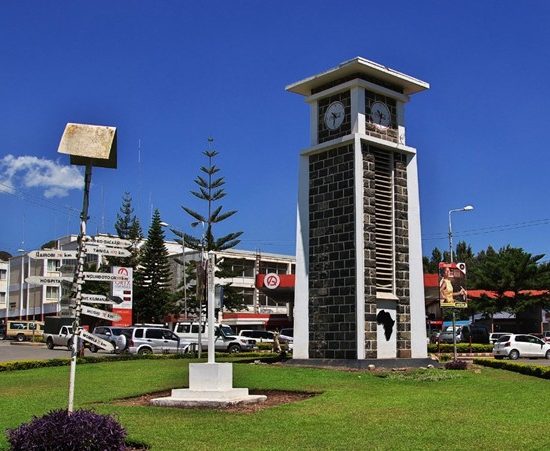
Most itineraries start and end in Arusha, the primary safari hub in northern Tanzania. Choosing a lodge or hotel near the town center or airport simplifies logistics and allows for easy access to safari vehicles and briefing sessions. Accommodation here ranges from boutique hotels to mid-range lodges with private rooms, clean bathrooms, and on-site dining. Staying in Arusha before departure provides time to rest, meet your guide from Ron Adventure, and prepare for the journey into the parks. It also offers the convenience of last-minute shopping for safari essentials, such as sun hats, binoculars, or additional photography gear.
Tarangire National Park Lodges
For the first major park stop, staying within or near Tarangire National Park allows for early morning and late afternoon game drives without long commutes. Lodges and tented camps in this area vary from budget to luxury, but even mid-range properties provide essential amenities like private bathrooms, comfortable beds, and dining facilities. Proximity to the park means travelers can witness elephant herds, giraffes, and large herbivore congregations at dawn and dusk, the most active wildlife periods. Ron Adventure typically selects accommodations that balance comfort with authentic safari ambiance, ensuring guests feel immersed in the wilderness while still enjoying modern conveniences.
Serengeti Lodges and Camps
The Serengeti is the highlight of the safari, and accommodation placement here is particularly important. Lodges inside the park or in the central Serengeti reduce driving times for morning and afternoon game drives, giving travelers more opportunities to observe predators and migratory herds. Many lodges feature elevated viewing platforms or open-air dining areas that allow guests to watch animals from the comfort of their property. Tented camps provide a more intimate experience, often situated along key migration routes or predator-rich areas. Ron Adventure partners with properties that offer both accessibility to wildlife and high-quality service, ensuring travelers spend less time on roads and more time enjoying the iconic Serengeti plains.
Ngorongoro Crater Lodges
Ngorongoro offers one of the densest concentrations of wildlife on the continent, and staying near the crater rim enhances the safari experience. Crater rim lodges provide stunning views and easy access for early morning descents, which is when game activity is at its peak. These lodges often combine modern comfort with local architectural aesthetics, allowing travelers to relax after a full morning of wildlife viewing. Proximity to the crater also reduces travel fatigue and maximizes time spent observing predators and herbivores in a compact, highly active environment.
Key Considerations When Choosing Accommodation
When planning a safari, there are several factors to weigh. Location relative to the parks is critical for maximizing wildlife encounters. Accommodation style, whether permanent tented camps, lodges, or luxury properties, affects comfort, privacy, and overall experience. Amenities such as hot showers, Wi-Fi, and dining options can enhance relaxation, especially after long days of game drives. Seasonal considerations may also influence lodging selection, as some camps operate only during dry months when access is easiest.
Working with a trusted operator like Ron Adventure ensures that accommodation choices are aligned with both the itinerary and the wildlife experience. Lodges and camps are chosen not only for comfort but for their strategic location near high-activity areas, allowing travelers to start morning game drives as early as possible and return in time for meals or rest periods. This attention to logistics and guest experience significantly enhances the quality of a six-day safari.

Balancing Comfort and Safari Immersion
The goal of selecting accommodation near activity areas is not just convenience; it is about maximizing immersion. Guests who stay closer to wildlife areas can enjoy the sights, sounds, and even scents of the African wilderness around them. Morning roars of lions, flocks of birds at dawn, and the distant trumpeting of elephants become part of the experience rather than background details. Lodges and camps in these areas often provide guided walks, bush dining experiences, or sunset viewing decks, creating additional opportunities for engagement beyond traditional game drives.
Conclusion
Accommodation is more than just a place to sleep; it shapes the rhythm and quality of the entire safari. From Arusha to Tarangire, the Serengeti, and Ngorongoro, carefully selected lodges and camps enhance convenience, comfort, and wildlife access. By prioritizing proximity to activity areas and aligning lodging with the itinerary, operators like Ron Adventure ensure travelers spend more time observing animals, less time on transfers, and enjoy a seamless, memorable safari experience. Well-placed accommodations allow each day to flow naturally, transforming a six-day safari into a fully immersive journey through Tanzania’s most iconic landscapes.
Best Time to Do a 6 Day Tanzania Safari
Timing is a critical factor in planning a 6-day Tanzania safari itinerary, as it directly affects wildlife viewing, weather conditions, and overall enjoyment. Tanzania’s northern circuit experiences two main seasons, dry and wet, which influence animal behavior, road conditions, and park accessibility. Understanding the best time to visit helps travelers maximize wildlife encounters while avoiding challenges such as muddy roads or heavy rainfall. Working with an experienced operator like Ron Adventure ensures the itinerary is timed optimally to take full advantage of seasonal wildlife patterns and comfortable travel conditions.
The Dry Season: June to October
The dry season, spanning from June to October, is widely considered the best period for a six-day safari in northern Tanzania. During these months, vegetation is sparse, making it easier to spot wildlife across the savannah. Rivers shrink, forcing animals to congregate around remaining water sources, which increases the likelihood of large, predictable wildlife sightings. Predators such as lions and cheetahs also become more active and visible while hunting near these water sources.
Additionally, the dry season coincides with cooler temperatures, especially in highland areas like Ngorongoro, creating more comfortable conditions for early-morning and late-afternoon game drives. The Serengeti plains are particularly scenic during this period, with clear skies enhancing photography opportunities. The dry season also aligns with the southern Serengeti migration, making it a prime time to witness large herds of wildebeest and zebra moving through grazing areas.
The Wet Season: November to May
The wet season is divided into short rains (November to December) and long rains (March to May). During this period, the landscape becomes lush and green, offering vibrant scenery and the opportunity to see newborn wildlife, particularly in the Serengeti and Ngorongoro areas. Birdwatchers may find this season especially rewarding, as migratory and resident species are more active and easier to spot.
However, heavy rains, particularly during the long rains, can make some roads difficult to navigate, occasionally delaying game drives. While wildlife is still abundant, animals are more dispersed because water and food sources are plentiful. Some lodges and camps, especially in remote areas, may close or reduce services during the wettest months. This is where local expertise from Ron Adventure proves invaluable, as guides can adjust routes and timing to ensure guests still experience high-quality wildlife viewing.
Peak Wildlife Viewing Months
For travelers focused on the Great Migration, timing the safari between June and October offers the best chance of seeing the massive herds in the northern and central Serengeti. For predator behavior observation, the dry season is also ideal, as prey congregations lead to frequent hunting opportunities. Conversely, the wet season favors smaller-scale, intimate wildlife encounters and newborn animal sightings, which appeal to travelers seeking a quieter, greener, and more photogenic experience.
Balancing Weather, Wildlife, and Tourism
When planning a six-day safari, travelers should balance wildlife activity, comfortable weather, and tourism levels. The dry season often coincides with peak tourism, so early bookings are recommended. The wet season offers fewer crowds and lower costs but requires flexibility in travel plans. Operators like Ron Adventure use their deep local knowledge to help travelers choose the optimal timing based on personal priorities, whether that is predator sightings, migration events, or lush scenery.
Considerations for Road Conditions and Travel Comfort
The northern circuit involves a combination of paved and dirt roads. During the dry season, these roads are more reliable and allow for smoother drives between parks. In contrast, heavy rains during the wet season can make some tracks slippery and slow, particularly in more remote regions like northern Serengeti and Tarangire. Staying in lodges or camps strategically located near activity areas reduces the impact of these road conditions, allowing travelers to maximize time spent on game drives.
Choosing the Right Season with Ron Adventure
Collaborating with a professional operator such as Ron Adventure ensures that the itinerary is not only planned for optimal wildlife viewing but also aligns with personal preferences for comfort, scenery, and crowd levels. Experienced guides know how to leverage seasonal patterns to deliver rewarding sightings regardless of the month, adjusting the safari’s pace, routes, and timing to enhance each day’s experience.
By understanding Tanzania’s seasonal dynamics, travelers can select a six-day safari window that aligns with their goals, whether that means witnessing dramatic predator-prey interactions, enjoying newborn animals, or photographing lush green landscapes. With the guidance of knowledgeable operators like Ron Adventure, the timing of a safari becomes a strategic choice that maximizes both enjoyment and wildlife encounters.
Why Choose This 6 Day Tanzania Safari with Ron Adventure
A 6-day Tanzania safari itinerary offers an unparalleled opportunity to experience Africa’s most iconic wildlife, but choosing the right operator can make the difference between a good safari and an unforgettable one. Ron Adventure has established itself as a trusted guide for travelers seeking a seamless, high-quality, and immersive experience in northern Tanzania. What sets this itinerary apart is its careful design, expert guidance, and attention to every detail that shapes how guests experience the wilderness.
From the moment you arrive in Arusha, Ron Adventure ensures a smooth start to your safari. Transfers, vehicle logistics, and briefings are organized professionally, creating a sense of comfort and confidence before entering the parks. This early planning reduces stress and allows travelers to focus on the adventure ahead rather than operational concerns. Unlike generic tours, this approach emphasizes personalized service and thoughtful pacing, which is especially important in a six-day schedule where each day is valuable.

Expert Guides and Local Knowledge
Central to the safari experience is the expertise of the driver-guides. Ron Adventure’s guides are highly trained, with in-depth knowledge of animal behavior, seasonal wildlife patterns, and park ecosystems. Their ability to interpret tracks, locate elusive predators, and anticipate wildlife activity elevates each game drive from a simple sightseeing excursion to a meaningful learning experience. Guides also provide cultural and ecological context, offering insights into Tanzania’s conservation efforts, park histories, and the relationship between local communities and wildlife.
Carefully Structured Itinerary
The itinerary itself is designed to balance variety, wildlife density, and comfort. Starting in Tarangire National Park, travelers ease into the safari environment while witnessing impressive elephant herds and scenic landscapes. Moving to the Serengeti, the journey immerses guests in vast plains teeming with predators and migratory herds, offering multiple opportunities for meaningful observation. The safari concludes in the Ngorongoro Crater, where a compact ecosystem delivers high-density wildlife encounters. Each stage is carefully timed to reduce travel fatigue, maximize game drive hours, and create a natural progression that enhances the overall narrative of the safari.
Strategic Accommodation
Ron Adventure emphasizes accommodation choices that are both comfortable and strategically located near wildlife activity areas. Staying close to the parks ensures early starts for game drives, reduces time spent on transfers, and allows travelers to soak in the African bush from sunrise to sunset. Lodges and tented camps are selected for their service quality, proximity to prime wildlife zones, and authentic safari atmosphere, creating a seamless connection between comfort and immersion.
Flexibility and Personalization
Unlike rigid group tours, this safari itinerary offers flexibility. Ron Adventure can adjust daily schedules based on wildlife sightings, weather conditions, or guest preferences. Morning and afternoon game drives can be extended, alternate routes chosen, and additional activities such as guided walks or cultural visits included without disrupting the core plan. This adaptability ensures that each guest experiences Tanzania in a way that aligns with their interests and expectations.
Focus on Safety and Comfort
Safety and comfort are fundamental considerations, particularly in a country as wild and diverse as Tanzania. All vehicles are equipped for off-road driving, communications, and emergencies, and drivers are trained to navigate challenging terrain safely. Lodges and camps provide hygienic facilities, secure accommodations, and reliable meals, allowing travelers to focus entirely on wildlife and scenery without worrying about logistics.
Why This Safari Stands Out
What distinguishes a six-day safari with Ron Adventure is the combination of expert guiding, thoughtfully designed routes, prime accommodation placement, and attention to detail. The itinerary ensures that wildlife viewing, photography opportunities, and immersive experiences are maximized, while downtime and travel logistics are minimized. Guests are not simply transported between parks—they are guided through a living, breathing ecosystem, gaining understanding, perspective, and memorable encounters along the way.
In essence, choosing this 6-day Tanzania safari with Ron Adventure is about more than seeing animals. It is about experiencing Tanzania with knowledgeable guides, staying in comfortable and strategically located accommodations, and enjoying a journey that flows naturally through diverse ecosystems. Every element, from start to finish, is carefully crafted to deliver a safari experience that is both unforgettable and authentic.
Who This Safari Is Best For
A 6-day Tanzania safari itinerary is designed to offer a complete, immersive experience across some of Africa’s most iconic wildlife destinations, and it is particularly well-suited for travelers with specific interests and expectations. Not every safari fits every traveler, and understanding who benefits most from this itinerary helps set realistic expectations and ensures a rewarding experience. Working with an experienced operator like Ron Adventure further enhances the safari, as their expertise ensures the journey matches the traveler’s pace, interests, and comfort preferences.
First-Time Safari Travelers
This itinerary is ideal for those visiting Africa for the first time. A six-day schedule offers enough time to see the Big Five, observe predator-prey interactions, and explore multiple ecosystems without feeling rushed. For first-time visitors, the combination of Tarangire, Serengeti, and Ngorongoro provides a comprehensive introduction to Tanzania’s northern circuit, exposing travelers to elephants in Tarangire, vast plains and predators in Serengeti, and dense wildlife in Ngorongoro. With Ron Adventure’s professional guides, even first-time safari-goers feel confident navigating the parks, understanding animal behavior, and maximizing photographic opportunities.

Families and Small Groups
The safari is also well-suited for families or small groups seeking shared adventures that are both educational and entertaining. Activities can be adapted to accommodate children or multi-generational groups, and accommodations selected by Ron Adventure ensure comfort while maintaining proximity to wildlife viewing areas. Shorter drives between parks and camps mean less travel fatigue, making it easier for families to enjoy morning and afternoon game drives without feeling exhausted. Children and adults alike gain exposure to Africa’s natural environment in a safe, engaging, and structured way.
Wildlife Enthusiasts and Photographers
Travelers who prioritize wildlife observation and photography benefit greatly from this itinerary. Spending multiple days in the Serengeti allows for extended observation of predator and herbivore interactions, while early mornings and late afternoons provide optimal lighting conditions for photography. Tarangire and Ngorongoro complement this experience by offering diverse scenery and unique animal behaviors. Guided by Ron Adventure’s experienced staff, guests receive insights on tracking, animal habits, and strategic positioning to capture the best possible sightings and photographs, ensuring both learning and enjoyment.
Travelers Seeking Comfort and Efficiency
A six-day safari is long enough to experience depth but short enough to fit into a broader travel plan, such as combining a safari with a beach extension in Zanzibar. This makes the itinerary suitable for travelers who want to experience Tanzania’s wildlife without committing to a prolonged trip. With lodges and camps strategically selected for comfort and proximity, guests enjoy high-quality accommodation, minimal transfer times, and well-paced days. Ron Adventure ensures that every aspect, from vehicle readiness to meal timing, is optimized, so travelers can focus entirely on the experience rather than logistics.
Adventure Seekers Who Appreciate Structure
While this safari is immersive, it is also structured, which appeals to travelers who want an adventure with a reliable framework. Each day is carefully planned to maximize wildlife viewing, reduce unnecessary travel, and incorporate the unique features of each park. Unlike open-ended, unstructured adventures, this itinerary provides a balance of exploration and predictability, which is especially valuable for those seeking both safety and excitement in a wilderness setting.
Ideal for Combination Trips
Finally, the six-day itinerary works perfectly for travelers combining safari with other destinations, particularly Zanzibar or Mount Kilimanjaro. The concise yet comprehensive northern circuit ensures that guests can experience the core highlights of Tanzania’s wildlife without feeling rushed, leaving room for relaxation, cultural excursions, or trekking adventures afterward.
Summary
In essence, this safari is best for first-time visitors, families, wildlife enthusiasts, photographers, and travelers seeking both comfort and adventure in a manageable timeframe. By working with a professional operator like Ron Adventure, guests benefit from expertly guided experiences, thoughtfully chosen accommodations, and a well-structured itinerary. The result is a safari that provides depth, variety, and unforgettable memories while catering to a wide range of traveler preferences.
Safari Extensions & Add-Ons
A 6-day Tanzania safari offers a rich wildlife experience, but many travelers choose to extend their adventure with carefully selected add-ons that complement the core itinerary. These extensions allow guests to combine wildlife viewing with relaxation, cultural immersion, or unique aerial perspectives. Operators like Ron Adventure specialize in designing these extensions seamlessly, ensuring they fit naturally into the safari schedule while enhancing the overall experience.
Zanzibar Beach Extension
After six days of game drives and wildlife exploration, a Zanzibar beach extension is an ideal way to unwind and add a tropical dimension to the journey. The island’s pristine white-sand beaches, turquoise waters, and gentle coral reefs offer a perfect contrast to the African savannah. Travelers can relax at luxury beach resorts or boutique lodges, enjoy water-based activities such as snorkeling and diving, or explore historical sites in Stone Town, Zanzibar’s cultural hub.
Adding Zanzibar to the itinerary transforms the safari into a complete vacation experience, balancing the excitement of wildlife with restorative beach leisure. Ron Adventure coordinates transfers, flights, and accommodations to ensure that travelers transition smoothly from the northern safari circuit to the island without logistical stress. This seamless integration makes the beach extension a natural, stress-free complement to the main safari.
Hot Air Balloon Safari
For those seeking a truly unique perspective on Tanzania’s wildlife, a hot air balloon safari is an unforgettable add-on. Typically conducted over the Serengeti plains during early morning, the balloon ride provides panoramic views of the open savannah, wildlife herds, and the dramatic sunrise. From this vantage point, predators and prey can often be spotted moving across the plains, creating an entirely different experience compared to standard game drives.
A balloon safari is particularly popular among photographers and travelers who want a once-in-a-lifetime perspective on the Serengeti ecosystem. Ron Adventure arranges all logistics, including pre-flight briefings, transport to launch sites, and champagne or breakfast celebrations after landing. This extension adds a touch of luxury and adventure while deepening appreciation for the scale and beauty of Tanzania’s wildlife landscapes.

Maasai Cultural Visit
Complementing the natural exploration of the safari, a Maasai cultural visit provides insight into Tanzania’s human heritage and the traditional lifestyles of one of East Africa’s most iconic communities. The Maasai people are known for their distinctive dress, vibrant ceremonies, and pastoral way of life. Travelers can visit Maasai villages near Ngorongoro or other northern circuit regions to observe daily activities, learn about cattle herding, and participate in cultural exchanges.
This experience enriches the safari by highlighting the interconnection between local communities and the natural environment. Guided by Ron Adventure, these visits are conducted respectfully, emphasizing authentic cultural engagement while avoiding tourist exploitation. Guests gain a deeper understanding of Tanzania’s cultural diversity and the challenges and triumphs of communities living alongside wildlife.
Combining Extensions for a Full Experience
Travelers often choose to combine multiple extensions to maximize their Tanzania adventure. A typical sequence might involve the six-day safari followed by a Maasai cultural visit and then a few days on Zanzibar’s beaches, or including a hot air balloon ride during the Serengeti leg for an early-morning highlight. Ron Adventure customizes these combinations based on individual interests, time constraints, and seasonal considerations, ensuring each extension complements the main safari without feeling rushed.
Value of Add-Ons
Safari extensions elevate the experience beyond standard game viewing. They allow travelers to balance adventure with relaxation, wildlife with culture, and unique perspectives with hands-on engagement. Each add-on adds a layer of depth and variety, making the journey more memorable and well-rounded. By integrating these experiences seamlessly, Ron Adventure ensures that guests leave Tanzania with a diverse, immersive, and unforgettable travel story.
How to Book a 6 Day Tanzania Safari
Booking a 6-day Tanzania safari is an exciting first step toward an unforgettable adventure. While the itinerary itself is structured to maximize wildlife viewing and comfort, the booking process ensures that your trip is tailored to your preferences, secure, and seamless. Operators like Ron Adventure specialize in guiding travelers through every stage, from inquiry to departure, ensuring a smooth and stress-free experience.
Step-by-Step Booking Process
The booking process typically begins with an inquiry through the operator’s website or contact channels. Travelers provide basic information such as preferred travel dates, number of participants, accommodation preferences, and any specific interests or priorities. For Ron Adventure, this initial step allows the team to recommend the most suitable itinerary, available lodges, and optional extensions such as Zanzibar beach stays, hot air balloon rides, or Maasai cultural visits.
Once the initial details are reviewed, the operator provides a detailed proposal that includes the day-by-day itinerary, accommodation options, vehicle arrangements, park fees, and pricing. This step often involves consultation via email, phone, or video call to address questions, clarify logistics, and ensure that the proposed plan aligns with the traveler’s expectations. Travelers are encouraged to review the itinerary carefully and request adjustments as needed.
Customization Options
One of the key advantages of booking through a reputable operator like Ron Adventure is the ability to customize the safari. While the core six-day route covers the northern circuit, travelers can adjust accommodations, extend certain park visits, or add experiences like a hot air balloon safari over the Serengeti or a visit to Maasai villages. Dietary preferences, photography priorities, and mobility considerations can also be accommodated.
This flexibility ensures that the safari is not a one-size-fits-all experience but a tailored journey that reflects the traveler’s interests and comfort level. Operators maintain a balance between customization and logistical feasibility, guaranteeing that modifications enhance rather than compromise the itinerary’s flow and quality.
Payment and Confirmation
After confirming the itinerary and optional add-ons, the booking process moves to payment and confirmation. Most operators request a deposit to secure accommodation and park permits, followed by a final payment closer to the travel date. Payment options typically include bank transfers, credit card payments, or secure online portals.
Upon receipt of payment, travelers receive a detailed confirmation package, which includes the full itinerary, lodge information, vehicle and guide details, packing lists, and travel tips. Ron Adventure also provides pre-departure guidance, including visa requirements, health recommendations, and tips for photography and wildlife observation. This preparation ensures that travelers arrive in Tanzania confident, informed, and ready to fully enjoy the safari.
Ensuring a Smooth Experience
The value of booking with a professional operator is the assurance that every logistical detail is managed. Transfers, park fees, accommodation reservations, and optional activities are handled in advance, reducing uncertainty and stress. The operator’s local knowledge and experience also help in anticipating challenges such as seasonal weather variations, park closures, or road conditions, allowing for contingency planning without disrupting the safari experience.
Booking a six-day safari through Ron Adventure guarantees not just a planned journey, but a curated adventure that prioritizes wildlife encounters, comfort, and personalized service. Following these steps ensures that the safari is secured efficiently, tailored to individual preferences, and ready for a truly immersive Tanzanian adventure.
Final Thoughts
A 6-day Tanzania safari is more than just a vacation; it is a journey into some of the most extraordinary wildlife landscapes on the planet. For travelers, the experience is deeply rewarding, offering the chance to witness majestic animals in their natural habitats, explore diverse ecosystems, and gain a genuine understanding of Tanzania’s conservation efforts. Choosing the right itinerary and operator makes all the difference, ensuring that every moment, from early morning game drives to serene sunsets over the plains, is seamless, safe, and unforgettable.
Reassurance comes from knowing that every aspect of the safari is carefully managed. With a trusted operator like Ron Adventure, travelers can feel confident that logistics, accommodations, park permits, and optional add-ons are handled professionally. Expert guides ensure that wildlife encounters are maximized, routes are optimized, and insights into animal behavior, ecology, and culture are shared along the way. This level of planning removes uncertainty and allows guests to focus entirely on the magic of the Tanzanian wilderness.
The value of a well-planned safari cannot be overstated. Six days may seem short, but when thoughtfully structured, it provides a comprehensive glimpse of northern Tanzania’s wildlife, from the riverine elephants of Tarangire National Park to the predator-rich plains of Serengeti National Park and the dense biodiversity of Ngorongoro Crater. Strategic accommodations, flexible game drives, and optional experiences like a Maasai cultural visit or Zanzibar beach extension ensure that the safari is both rich and memorable, offering more than just animal sightings but a complete adventure.
For those considering a journey of this magnitude, the call to action is simple: plan thoughtfully, choose wisely, and embrace the adventure. Whether it’s your first safari or a return visit, collaborating with a professional operator like Ron Adventure guarantees a tailored, immersive, and unforgettable experience. By investing in a well-structured itinerary, travelers gain not only wildlife encounters but memories that will last a lifetime, a true testament to the beauty and majesty of Tanzania.

Tarangire National Park Safari
6 Day Tanzania Safari Itinerary

Top 10 Safari Mistakes to Avoid in Tanzania
Central Serengeti Safari Guide – Wildlife, Best Time to Visit & Travel Tips
Tanzania Wildebeest Migration – The Ultimate Guide to Africa’s Greatest Wildlife Journey
Ron Adventure Tour Company | Tanzania Safari & Kilimanjaro Experts
Mount Kilimanjaro Climbing Routes
Tanzania Safari 2026- 2027: Witness the Incredible Wildlife and Natural Beauty of Tanzania
Mount Kilimanjaro – Complete Guide for Climbers and Safari Travelers
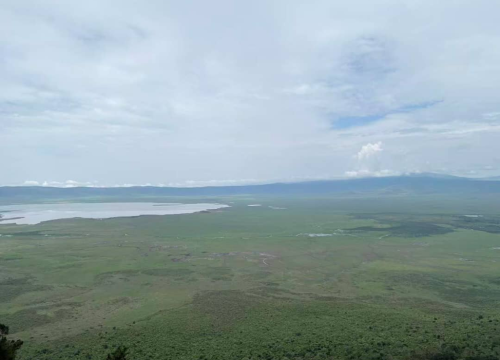
Ngorongoro Crater: Complete Travel Guide
Is Ndutu in Serengeti or Ngorongoro? A complete Guide
How Much Does a Serengeti Safari Cost? (Complete Guide)
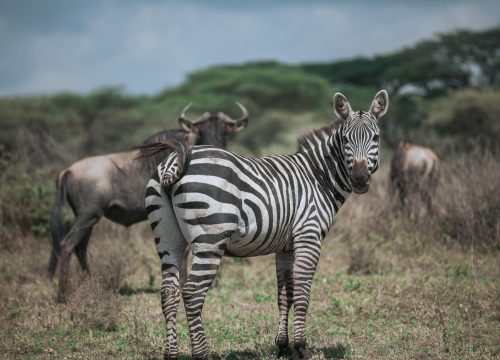
Best Time to Visit Serengeti for the Great Migration
Why Tanzania Is the Best African Safari Destination

Is Tanzania Safe to Visit After the 2025 Election?
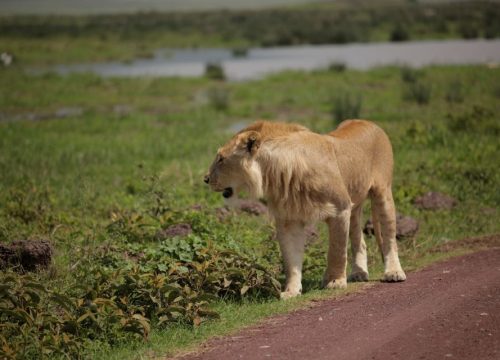
Tarangire National Park Safari
6 Day Tanzania Safari Itinerary
Arusha Travel Guide